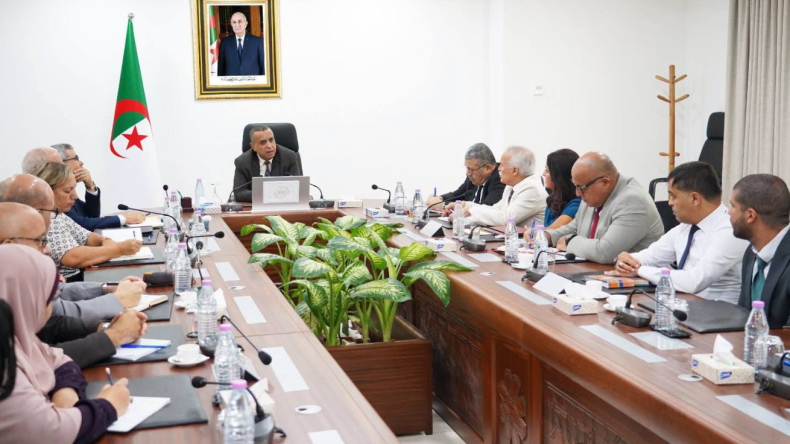
Algerian political parties have initiated preparations for upcoming elections by establishing specialized internal committees to pre-vet candidate files. These committees are tasked with ensuring that all prospective candidates meet legal conditions before their submissions reach the National Independent Election Authority. Political formations have begun inviting both candidates and party members to submit their files as part of this preliminary screening process. The move aims to streamline the election process and reduce potential rejections at a later stage, thereby enhancing the overall efficiency and credibility of the electoral system.
New Vetting Procedures Explained
The new procedures stem from an amended election law, which mandates that political parties meticulously verify the legal status of each candidate. This requirement extends beyond mere political or party nomination, encompassing a thorough review of all legal prerequisites. Parties must now confirm that candidates meet specific eligibility criteria, including residency, age, and absence of prior convictions that could disqualify them from holding public office. The expanded scope of verification aims to minimize instances of candidate rejection by the National Independent Election Authority (ANIE) at later stages of the electoral process. By shifting part of the vetting responsibility to the parties themselves, the law seeks to enhance the integrity and efficiency of candidate selection before official submissions are made. This proactive approach is expected to significantly reduce administrative burdens on ANIE and ensure that only fully compliant files proceed to the official review.
Election Timeline and Preparations
Approximately three months remain until Algeria's next local elections, as of August 27. The last local elections were held on November 27, 2021. Political parties have already begun their internal preparations, establishing committees to pre-vet candidate files to ensure compliance with legal requirements. This proactive approach aims to streamline the candidate submission process and reduce potential rejections by the National Independent Election Authority (ANIE). Parties are currently inviting prospective candidates and members to submit their documentation for this preliminary screening phase, actively encouraging participation while ensuring adherence to legal standards. This early engagement is critical for a smooth electoral cycle.
Avoiding Past Rejection Pitfalls
This preliminary step aims to prevent a recurrence of widespread candidate file rejections, a challenge observed in previous electoral cycles. Internal vetting has emerged as a key stage within political parties, designed to ensure that all prospective candidates meet legal and administrative requirements before their files are officially submitted to the National Independent Election Authority (ANIE). This proactive approach seeks to streamline the overall electoral process, minimizing potential disqualifications and ensuring a smoother path for candidates who ultimately appear on the ballot. By addressing potential issues early, parties hope to reduce the administrative burden on ANIE and enhance the credibility of the candidate selection process. This rigorous internal review is seen as essential for building public trust in the electoral outcomes.
Dual Screening Process
The upcoming electoral phase will implement a dual screening process within Algerian political parties. This procedure will first focus on selecting competitive candidates deemed most suitable for electoral success. Following this initial selection, the process will then ensure that the files of these chosen candidates are legally sound and compliant with all regulations before their official submission to the National Independent Election Authority. This methodical approach aims to minimize potential rejections and streamline the overall candidate selection and approval process. The dual screening represents a significant internal step designed to enhance the integrity and efficiency of candidate presentation, ensuring that both political viability and legal compliance are thoroughly addressed.