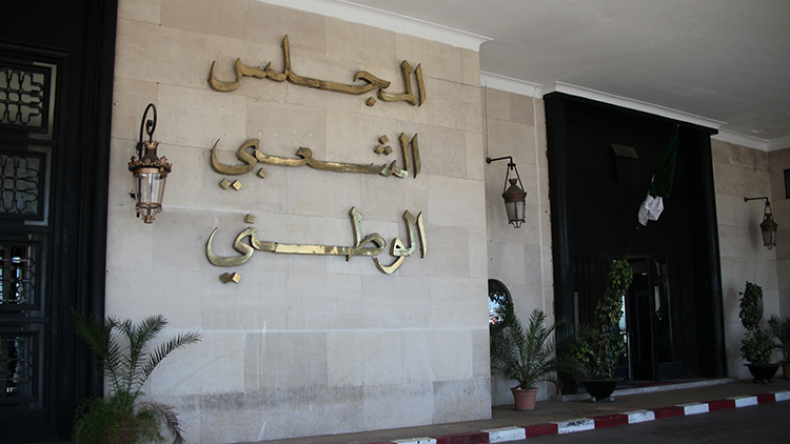
Algeria's Parliament is scheduled to commence its 2026/2027 legislative session on Wednesday, September 16, marking the official start of parliamentary proceedings for the year. This opening will bring together both chambers of the legislature. The September 16 date also signifies the actual beginning of the first parliamentary session of the tenth legislative term. Newly elected deputies of the lower house will participate in this session. The combined legislative session for 2026/2027 will cover a full year of parliamentary work, with the Parliament, comprising its two chambers, formally opening its legislative session for the year on this specific date.
Key Legislative Priorities
The upcoming legislative session is set to address a range of critical reforms, with laws pertaining to municipalities, provinces, and penalties high on the agenda. Parliamentarians will also consider new legislation concerning finance, trade, investment, and electronic payment systems. These topics show the government's commitment to modernizing various sectors of the Algerian economy and administration.
Key legislative priorities for the 2026/2027 session include the drafting of the 2027 finance law. This key piece of legislation will outline the state's financial plans and budget for the upcoming fiscal year. Additionally, lawmakers are expected to review and potentially pass new laws governing the conditions for commercial activities and reforms to the commercial register, aiming to streamline business operations and enhance transparency. The expansion of digital economic frameworks will be addressed through proposed legislation on e-commerce, investment, and public-private partnerships, signaling a push towards digital transformation. The session will also feature amendments to existing social security laws and the introduction of new texts aimed at modernizing the national banking system, enhancing electronic payment infrastructures, and promoting broader financial inclusion across the country. These full legislative efforts are designed to foster economic growth and improve the welfare of citizens.
Phased Reform Journey
Legal reforms initiated by the Algerian state in previous years are set to enter their third phase. These reforms started in stages since President Abdelmadjid Tebboune took office, reflecting a sustained effort to overhaul the nation's legal and administrative frameworks. The phased approach allows for systematic implementation and adaptation of new policies.
The initial phase encompassed a broad range of legislation, including laws governing public procurement, monetary and banking regulations, and measures for the prevention of human trafficking. It also addressed trade union rights, public accounting, and financial management. Further reforms in this phase involved amendments to the penal code, anti-money laundering provisions, combating the financing of terrorism, penal procedure, and collective labor disputes. Additionally, laws concerning state land protection, economic land grants, and forest-related texts were part of the first stage, laying a foundational groundwork for broader reforms.
The second phase of reforms focused on legislation with direct implications for the political and institutional landscape. This included the organic law on political parties, the electoral system, and the judiciary's basic law. Other areas covered in this phase were traffic law, electoral districts, and adjustments to the number of parliamentary seats, indicating a strategic effort to refine governance structures and democratic processes.
Broader Context and Outlook
The forthcoming phase of legal reforms in Algeria will introduce new legislative files specifically addressing local governance and the country's institutional management. This stage aims to further refine the legal framework governing how municipalities and provinces operate, alongside broader reforms impacting state institutions. The initiatives are part of a continuous reform agenda, building upon previous legislative efforts. These files are expected to tackle aspects related to administrative efficiency, accountability, and the decentralization of power, contributing to the modernization of Algeria's public administration and strengthening local authorities. This ongoing commitment to reform shows a strategic vision for a more efficient and responsive governmental system.