Devastating fires ravaged Djemaâ Beni Hbibi, a town located approximately fifty kilometers east of Jijel city, at the end of August. The blazes caused widespread destruction across the region of Jijel, specifically impacting Djemaâ Beni Hbibi and its surrounding areas. The intensity of the fires, which spread rapidly through the dry landscape, led to catastrophic outcomes for both the environment and the local population. Aboudjerra Soltani, a prominent senator, described the landscape following the fires as "reduced to ashes" and "chaotic," painting a grim picture of the aftermath. This report, detailing the profound impact and ongoing challenges resulting from the destructive events, was published on September 9, 2026.
Scene of Utter Devastation
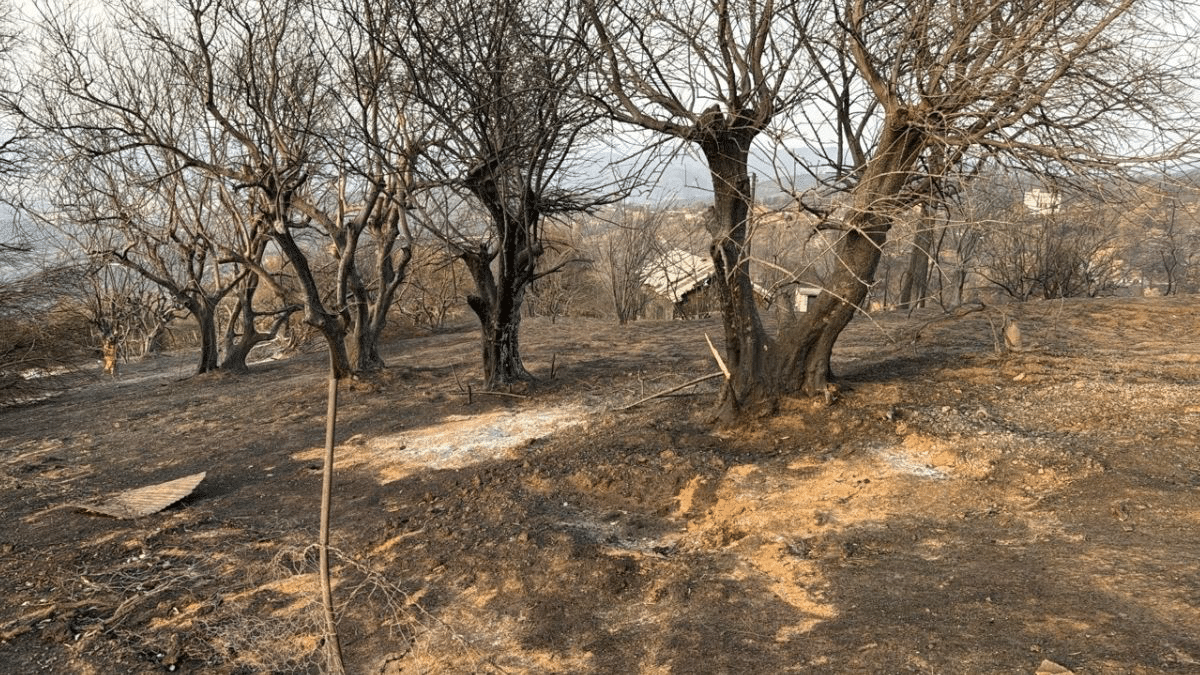
The fires left an indelible mark on the natural environment of Djemaâ Beni Hbibi. Olive trees, fig trees, and other vital vegetation, which once characterized the verdant scenery of the area, were thoroughly carbonized across Djemaâ Beni Hbibi following the devastating fires. The intense heat left a landscape visibly scorched, transforming once-lush areas into desolate stretches. The sheer force of the flames was immense, consuming not only the plant life but also significantly impacting the land itself. The widespread destruction extended beyond mere surface damage; the fires caused considerable damage to the soil and topography, leaving behind a stark and altered environment that will require extensive time and effort to recover. The agricultural heartland of the region, known for its olives and figs, has been particularly hard hit, with many of the trees that sustained local livelihoods now reduced to cinders. This environmental catastrophe has exacerbated the challenges faced by the communities in the mountainous region.
Human Impact and Exodus
Senator Aboudjerra Soltani undertook a visit to a village within Djemaâ Beni Hbibi to personally assess the damage following the recent fires. During his assessment, Soltani reported that the blazes have triggered a "massive exodus" of inhabitants from the mountainous region. This displacement signifies a profound demographic shift, as residents, many of whom have ancestral ties to the land, were forced to abandon their homes and livelihoods. During his poignant visit, Soltani observed the profound impact on the local population, stating, in a direct quote that conveyed the depth of the loss, "Ici, à Djemaa Beni Habibi (Jijel), il y avait de la vie autrefois. Il y avait des olives, des figues, des abeilles, des fermes. Aujourd’hui, il n’y a plus de vie, il n’y a que des cendres." His words show the complete transformation of a vibrant community into a scene of desolation.
The senator further emphasized the emptiness left behind, noting, "tout est vide, à gauche et à droite, et qu’il ne reste sur terre que des cendres." He noted the unsettling absence of residents, stating emphatically, "Personne n’habite plus ici," conveying the complete abandonment of the village. Soltani expressed deep uncertainty regarding the fate of the former inhabitants, questioning whether "s’ils sont morts ou s’ils ont simplement fui." This statement reflects the chaos and desperation that forced people to leave, potentially without trace or clear destination. His observations show the severe demographic shift and abandonment of communities in the area, leaving many questions about the future of these once-thriving villages. The economic and social fabric of these communities has been severely disrupted, leading to long-term challenges for the displaced populations.
Government Response and Aid
In the wake of the tragedy, Prime Minister Sifi Ghrieb attended the funerals of several victims on Friday, August 28th, following the devastating fires in the region. His presence showed the government's acknowledgment of the tragedy and the immense human cost of the blazes in Djemaâ Beni Hbibi. This official gesture provided a measure of solace to the grieving families and demonstrated the state's recognition of the severity of the disaster.
In response to the widespread destruction and the urgent needs of the affected populations, a large popular mobilization was organized to assist the affected communities. This concerted effort included the dispatch of numerous aid convoys, which delivered essential supplies and critical support to the areas most impacted by the fires. These convoys were key in providing immediate relief to residents who had lost their homes, their livelihoods, and often, all their possessions. The aid included food, water, temporary shelter materials, and medical supplies, addressing the most pressing needs in the immediate aftermath.
The state has also initiated a full campaign to address the long-term consequences of the disaster. This multi-faceted campaign aims to compensate victims for their losses, providing financial assistance to help them rebuild their lives and homes. It supports the extensive effort required to rebuild the devastated areas, which includes infrastructure repair, environmental restoration, and community rehabilitation projects. The government's actions signify a steadfast commitment to restoring the affected communities and helping residents recover from the catastrophic events, ensuring that support extends beyond immediate relief to encompass a sustainable recovery plan.