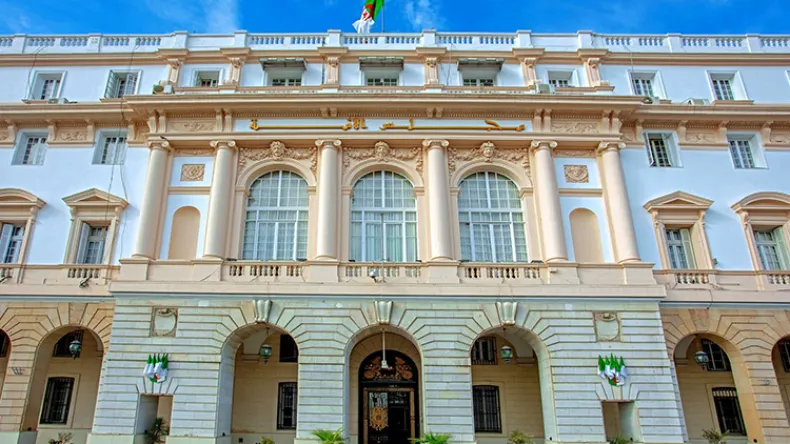
The Bureau of the National Assembly recently studied a draft instruction aimed at regulating the foreign missions of its members, ahead of its expected implementation with the opening of the next parliamentary session in September. This significant development marks a concerted effort to streamline and enhance the effectiveness of Algeria's parliamentary diplomacy. The new instruction seeks to organize the external activity of the Council and define the rules for representing Algeria in international parliamentary forums. Specifically, the instruction aims to organize the external activities of the National Assembly as a whole, regulate the missions of its members abroad, and clearly define the rules for representing Algeria in various international parliamentary forums. The National Assembly Bureau stated the instruction includes "regulating the missions of the members of the National Assembly abroad, and defining the rules for representing Algeria in international parliamentary forums, with an obligation for 'Senators' to prepare detailed reports on the results of their external missions, and to defend Algeria's official positions."
Reporting Requirements for Missions
The new instruction, currently under consideration by the Bureau of the National Assembly, aims to organize the external activities of the legislative body and regulate the foreign missions of its members. It will also define specific rules for representing Algeria in international parliamentary forums, according to the Assembly. A key component of this new framework is the stringent reporting requirements. Following their return to Algeria, members of the National Assembly who undertake foreign missions will be obligated to prepare detailed reports. These full reports must encompass the outcomes of their participation in international events, document all meetings conducted during the mission, detail the results achieved, and include any proposed recommendations arising from their engagements abroad. This obligation ensures greater accountability and transparency in parliamentary engagements on the international stage, providing a clear record of activities and their impact.
Broader Diplomatic Goals
The project aligns with calls from the President of the National Assembly, Azzouz Naceri, who has consistently advocated for strengthening parliamentary diplomacy. Mr. Naceri emphasized the importance of ensuring that all external activities undertaken by members effectively serve Algeria's national interests on the international stage. The instruction is designed to ensure that every parliamentary mission contributes meaningfully to Algeria's foreign policy objectives and enhances the nation's standing globally.
Additionally, the initiative seeks to redefine the selection process for parliamentary delegations participating in foreign missions. The goal is to ensure a broader and more diverse representation of the Assembly, thereby preventing any single individual or group from monopolizing foreign travel opportunities. This measure aims to democratize participation in international forums, allowing a wider array of parliamentarians to gain experience and contribute their perspectives to global discussions, ultimately strengthening Algeria's diplomatic presence.
Organizational Context
The presentation of the instruction project also coincides with the ongoing preparation of new internal regulations for the National Assembly. This parallel effort notes a full drive towards modernizing and improving the legislative body's operational efficiency. In a related development, the expanded Bureau of the National Assembly convened on Monday to discuss various organizational matters pertinent to the upper house's work and overall operations. During this meeting, the Bureau approved a separate instruction that clearly defines the conditions and procedures for the use of official vehicles by members and staff. These concurrent efforts indicate a broader push to streamline administrative and operational aspects within the legislative body. The new regulations for internal functioning and vehicle use aim to enhance accountability and efficiency, complementing the proposed rules for international parliamentary engagements and reinforcing a commitment to good governance.