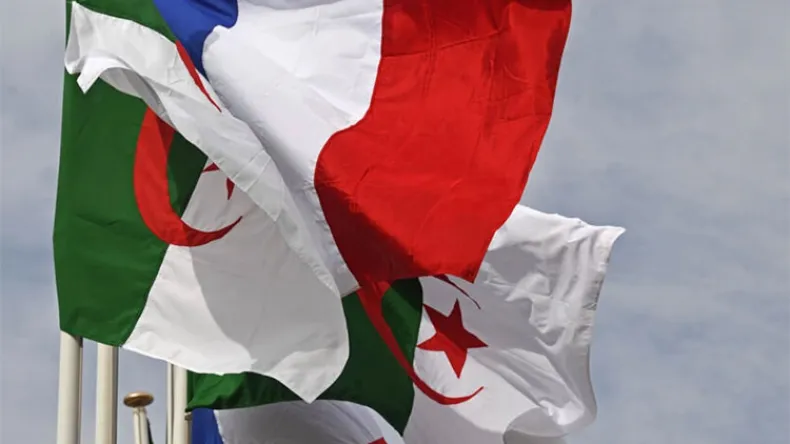
Algerian-French relations have recently shown signs of improvement through reciprocal ministerial visits and renewed diplomatic engagement, though the memory and history file remains outside this momentum. Both Algerian President Abdelmadjid Tebboune and French President Emmanuel Macron have repeatedly described the memory and history matter as a key pillar of bilateral relations, showing its profound significance for the future trajectory of their bilateral ties. However, the Joint Commission on Memory and History, headed on the French side by historian Benjamin Stora, has had its activities disrupted by political and diplomatic tensions between Algiers and Paris over the past two years. These tensions have effectively stalled progress on sensitive historical issues, preventing the commission from fulfilling its established mandate. Since February, both countries have taken steps to rebuild channels of communication, initiating a series of high-level exchanges aimed at de-escalating tensions and fostering renewed cooperation across various sectors. Despite these diplomatic overtures, Benjamin Stora stated he has "received no communication from either the Algerian or French authorities regarding the resumption of the commission’s work," noting the continued impasse on the memory file. This lack of official communication shows the persistent challenges in addressing the historical grievances that continue to weigh heavily on the relationship.
Renewed Diplomatic Ties Contrast with Memory Impasse
Alice Rufo, France’s Minister Delegate for the Armed Forces, visited Algeria on May 8. Her visit was part of a series of recent exchanges, indicating a concerted effort by both nations to re-engage at a governmental level. In recent months, three French officials have visited Algeria, including Interior Minister Laurent Nunez, Minister Delegate for the Armed Forces Alice Rufo, and Justice Minister Gérald Moussa Darmanin. These visits signify a deliberate strategy to reinforce diplomatic ties and foster cooperation across various ministries. Concurrently, Algeria’s Interior Minister, Saïd Sayoud, also visited Paris roughly a week before the article's publication date, further demonstrating the reciprocal nature of these renewed diplomatic efforts. These high-level exchanges aim to strengthen bilateral relations in areas such as security, justice, and defense. Despite these visible signs of diplomatic rapprochement, the Joint Commission on Memory and History remains inactive. Benjamin Stora previously suggested that the suspension of the commission’s activities was directly linked to broader political developments, indicating that progress on historical reconciliation is deeply intertwined with the overall political climate between the two nations. Stora confirmed that he has received no communication from either the Algerian or French authorities regarding the resumption of the commission’s work, reinforcing the perception that the memory file is being handled separately from the current diplomatic thaw.
A sharp deterioration in relations between Algeria and France followed the Élysée Palace’s decision in July 2024 to endorse Morocco’s autonomy plan for Western Sahara, triggering a significant breakdown in coordination between the two sides. This decision by the Élysée Palace was perceived by Algiers as a significant shift in France's long-standing neutrality on the Western Sahara issue, leading to a period of heightened diplomatic strain. Researcher Hosni Kitouni, specializing in colonial history at the UK’s University of Exeter, commented on Algeria's perspective regarding the historical demands. "These demands are based on documented and well-established historical facts," Kitouni stated. "They stem from the reality of a colonial occupation that resulted in numerous proven crimes. From Algeria’s perspective, the occupying power must acknowledge its responsibility. Instead, France appears determined to pursue a policy of selective recognition, admitting responsibility for isolated cases while avoiding a broader reckoning with the colonial past." This divergence in approach to historical accountability remains a central point of contention, hindering full reconciliation efforts.
Divergent Views on Colonial Legacy
France favors a gradual, case-by-case approach to acknowledging state responsibility for specific historical events and crimes. This approach typically involves individual gestures of recognition for particular incidents or figures, rather than a sweeping condemnation of the entire colonial period. In contrast, Algeria insists on a full recognition of the entire 132-year colonial period and the abuses committed during it, advocating for a broader, more systemic acknowledgment of colonial wrongdoings. Algerian officials regard the abuses perpetrated during the colonial period as crimes against humanity, a characterization that shows the severity with which Algeria views these historical injustices. French President Emmanuel Macron has previously invoked this characterization for colonial abuses, acknowledging the gravity of certain historical acts. However, the practical application of this acknowledgment remains a point of considerable debate between the two nations.
Researcher Hosni Kitouni, specializing in colonial history at the UK’s University of Exeter, cited the cases of nationalist figures, martyrs Larbi Ben M’hidi and Ali Boumendjel as examples of France’s preference for limited acknowledgments. These specific instances, while important, do not satisfy Algeria's demand for a holistic recognition of the colonial era's impact. Among the proposals of the Joint Commission on Memory and History were the return of Algerian archives that were stolen and transferred to France during the colonial era, a key demand for Algeria to reclaim its historical narrative. The commission also proposed the restitution of human remains and skulls held in French institutions, which are seen as symbols of colonial appropriation and a deeply sensitive issue for Algerian national identity. The return of personal belongings belonging to Emir Abdelkader, a significant figure in Algerian resistance against French colonization, was also among the commission's recommendations, aiming to restore cultural heritage. These proposals were designed to address tangible aspects of colonial heritage and demonstrate a commitment to historical justice.
Commission's Stalled Progress and Algerian Reservations
Benjamin Stora, who leads the French side of the Joint Commission on Memory and History, has received no communication from either the Algerian or French authorities regarding the resumption of the commission’s work, leaving its future uncertain. The lack of engagement from both governments has effectively rendered the commission dormant, despite its stated importance. Researcher Hosni Kitouni, specializing in colonial history at the UK’s University of Exeter, noted that the Algerian side has increasingly concluded the Joint Commission serves little practical purpose under current circumstances. This growing skepticism reflects a perception in Algiers that the commission has not been effective in advancing their historical demands. Kitouni argued that Algerian authorities believe France is not genuinely committed to meeting Algeria’s historical demands, suggesting a fundamental distrust regarding France's willingness to engage in a full reckoning with its colonial past. According to Kitouni, "These demands are based on documented and well-established historical facts. They stem from the reality of a colonial occupation that resulted in numerous proven crimes. From Algeria’s perspective, the occupying power must acknowledge its responsibility. Instead, France appears determined to pursue a policy of selective recognition, admitting responsibility for isolated cases while avoiding a broader reckoning with the colonial past." This assessment notes the deep-seated disagreement over the scope and nature of historical recognition. Stora implicitly held the French president responsible for the suspension of the commission's activities, suggesting that high-level political decisions have directly impacted the progress of historical reconciliation efforts. The ongoing stagnation of the Joint Commission on Memory and History shows the complex and often fraught nature of Algerian-French relations, where historical grievances continue to cast a long shadow over diplomatic progress.