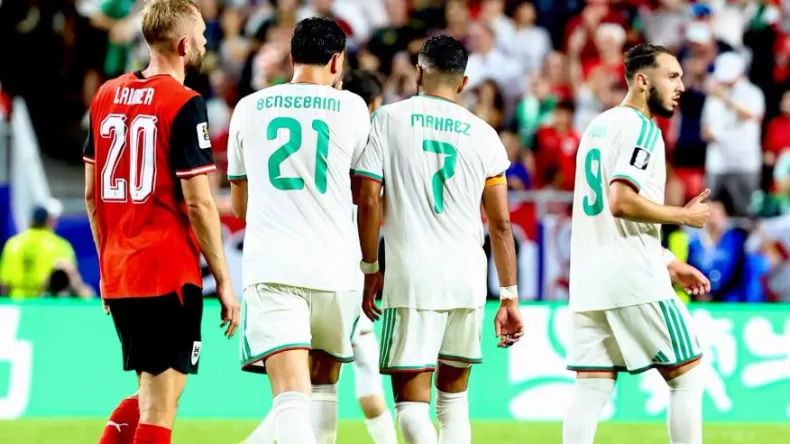
The Algerian national team is preparing for its return to official competition in September with the Africa Cup of Nations qualifiers. This period of preparation is marked by potential leadership changes and strategic challenges within the squad, as the team aims to secure its place in future continental tournaments. There is a possibility that Issa Mandi, who succeeded Riyad Mahrez in a leadership role, may depart from the team, adding to the complexities facing the national side.
Key Player Exits and Emerging Talent
Captain Riyad Mahrez is confirmed to be departing from the Algerian national team. Mahrez has reportedly been in a state of semi-retirement for a considerable period, according to reports, indicating a gradual disengagement from international duties. Concerns have also been raised regarding Issa Mandi, whose age is cited as a factor contributing to mistakes and technical lapses on the field. His potential departure would necessitate a reevaluation of the team's defensive leadership and structure.
Despite these significant changes in key leadership roles, the squad retains several key players and is actively integrating new talent to ensure continuity and strength. Ismaïl Bennacer, aged 28, remains a central figure in the midfield, known for his dynamic play and tactical intelligence. Hicham Boudaoui, 26, and Fares Chaïbi, 23, are also noted as current assets, contributing to the team's strength with their energy and skill. The team is further bolstered by promising emerging players such as Ibrahim Mazà, who is 20 years old, representing the next generation of Algerian football talent. The blend of experienced players and youthful exuberance is seen as key for the team's long-term prospects.
Coach's Motivation and Past Pitfalls
The current coach, Petković, is described as lacking motivation and desire from everyone, according to sources close to the team. This assessment comes as the team prepares for the key upcoming Africa Cup of Nations qualifiers, raising questions about the leadership at the helm. Historically, previous coaching selections from Eastern countries, including Halilhodžić and Raivat, have demonstrated fragility when the coach's communication with players is insufficient. This pattern, which now includes Petković, notes a recurring issue where a disconnect between the coach and the squad can undermine performance and cohesion.
The Algerian team's defensive performance has also been a point of significant concern in past tournaments and recent qualification campaigns. During the 2026 World Cup qualifiers, the team conceded six goals across three matches, noting vulnerabilities that could severely impact future qualification campaigns. This defensive record shows the challenges faced in maintaining consistent performance under various coaching tenures and points to a critical area needing immediate attention. The team aims to address these issues as it moves forward, recognizing that a solid defensive foundation is critical for success in competitive international football.
Upcoming Qualifiers and Strategic Needs
The Algerian national team requires a coach capable of both building a cohesive squad and immediately contending for the continental title. This dual requirement emphasizes the urgency of finding a leader who can deliver both short-term results and foster long-term development. The team has been drawn into a challenging group alongside Zambia, Togo, and Burundi for the upcoming Africa Cup of Nations qualifiers, making the coaching situation even more critical. The initial two rounds of these qualifiers are scheduled to take place in late September and early October. This tight timeframe emphasizes the urgency of making strategic coaching decisions to ensure the team's readiness for competitive play and to lay a strong foundation for their qualification bid.
Future Direction and Continental Ambitions
The Algerian team's preparations are focused on both immediate qualification campaigns and future continental aspirations. The Africa Cup of Nations is scheduled to be played in the summer of 2027, providing a significant long-term objective for the national team. This long-term objective adds considerable weight to the current coaching decisions, as strategic choices made now could impact the team's readiness and overall performance in that prestigious tournament. Securing a coach capable of fostering both immediate success and sustained development remains a top priority for the Algerian Football Federation, as they aim to reclaim their position among Africa's elite footballing nations. The strategic planning currently underway is designed to ensure the team is well-prepared for both the immediate challenges of the qualifiers and the ultimate goal of continental glory in 2027.