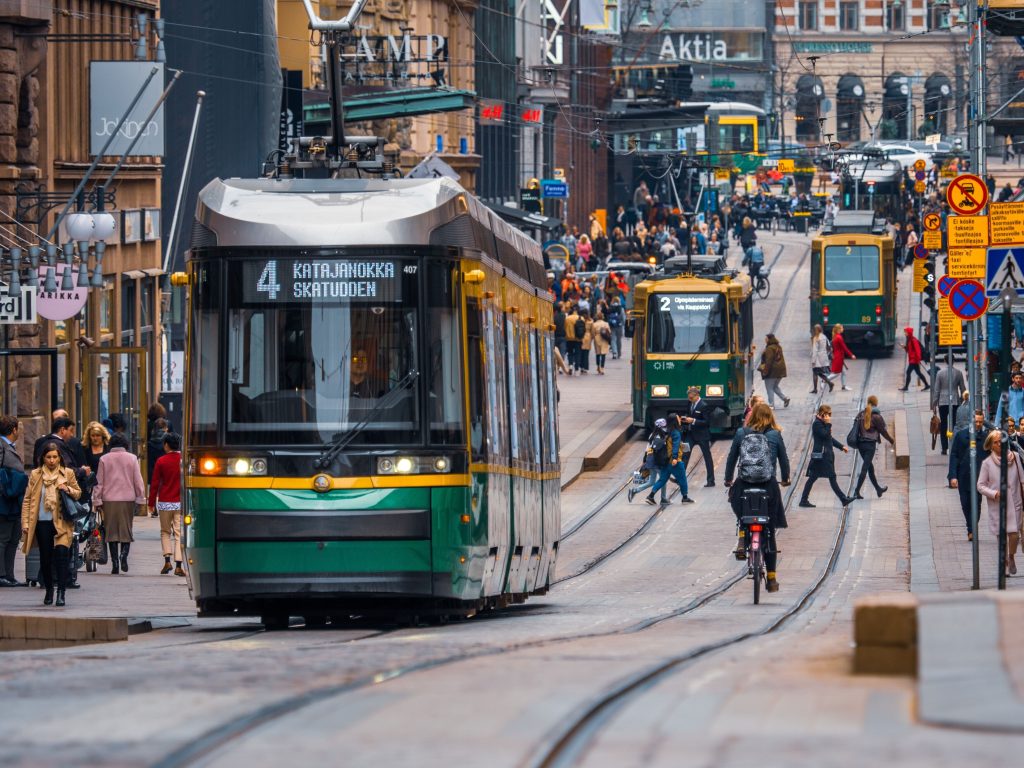
Helsinki, Finland, has achieved a remarkable safety milestone, recording twelve consecutive months without any road deaths between 2024 and 2025. This significant period of zero fatalities demonstrates the profound impact of the city's long-term commitment to road safety. At the time of this report, the capital city has maintained an additional nine consecutive months without fatalities, extending its impressive safety record. This sustained success comes nearly forty years after the capital city, home to 1.4 million inhabitants, began transforming its public spaces with the objective of eliminating road deaths. The Finnish approach integrates urban planning, reduced reliance on private vehicles, stringent police enforcement, and an efficient public transport network. This strategy is underpinned by a political commitment to creating streets that are livable for everyone and deadly for no one. The full nature of this strategy, combining various elements of urban policy and infrastructure development, has been instrumental in its effectiveness. The city's dedication to this radical goal has reshaped its urban landscape and daily life for its residents.
Integrated Safety Strategy
Helsinki has implemented several strategic changes to its urban infrastructure and traffic policies to enhance road safety. The city has systematically lowered speed limits across its road network, a foundational element of its Vision Zero strategy. Concurrently, Helsinki has reorganized its road layouts, redesigning streets to better accommodate various forms of transportation and improve safety for all users. These redesigns often involve reallocating road space to prioritize non-vehicular traffic and create clearer, safer pathways. Significant efforts have also been made to strengthen protection for pedestrians and cyclists, aiming to create safer pathways and crossings for vulnerable road users. This includes the implementation of dedicated lanes, improved signage, and safer intersection designs, all contributing to a more secure environment for those traveling on foot or by bicycle.
A key component of this strategy involves substantial investment in efficient public transport options. This initiative seeks to reduce the overall number of car trips within the city, thereby decreasing congestion and accident potential. By offering attractive and reliable alternatives to private car use, Helsinki encourages a modal shift that inherently enhances road safety. Helsinki has also invested in critical infrastructure projects, including the construction of tunnels in busy central areas and dedicated bridges for pedestrians and cyclists, physically separating these modes of transport from vehicular traffic. These infrastructure improvements are designed to eliminate points of conflict between different road users, further reducing the risk of accidents and fatalities. The investment in public transport and specialized infrastructure reflects a holistic approach to urban mobility, where safety is integrated into every aspect of planning and development.
Looking ahead, Helsinki plans to further restrict private vehicle access. Starting in 2030, the city intends to ban private cars from busy streets located around the central station. This measure is part of a broader push to prioritize public transport and active mobility, signaling a long-term commitment to a car-reduced city center. The city has additionally generalized a maximum speed limit of 30 km/h across a significant portion of its streets, establishing a consistent and lower speed environment to minimize severe collision outcomes. This widespread application of lower speed limits is a direct reflection of the Vision Zero philosophy, acknowledging that human error is inevitable but serious injury or death in traffic should not be. The combination of reduced speed limits, improved infrastructure, and a focus on public and active transport forms a cohesive strategy aimed at creating a safer, more livable urban environment.
Context and Comparisons
Helsinki's recent success contrasts sharply with other major European cities; Paris, for instance, recorded 31 road deaths in a comparable period. This comparison notes the exceptional nature of Helsinki's achievement and shows the effectiveness of its full safety measures. The stark difference in fatality rates between the two capital cities serves as a compelling case study for urban planners and policymakers worldwide. International organizations have identified key strategies for urban road safety that align closely with Helsinki's approach. The Organisation for Economic Co-operation and Development (OECD) and the International Transport Forum (ITF) state that speed reduction, flow separation, and prioritizing vulnerable road users are the most effective levers for reducing urban mortality. Helsinki's strategy explicitly incorporates all these elements, demonstrating a practical application of best practices identified by leading global transport bodies. The city's commitment to these principles has translated into tangible results, setting a benchmark for urban road safety.
Helsinki has also made significant financial commitments to its road safety initiatives, recognizing that investment is key for achieving ambitious goals. The city invested approximately 35 million euros last year in cycling and pedestrian infrastructure. This substantial investment shows the city's dedication to supporting active mobility and creating safe environments for its most vulnerable road users. This investment represents about 13% of Helsinki's total transport investment budget for the same period, illustrating the high priority placed on these infrastructure projects. Such a significant allocation of resources reflects a strategic understanding that infrastructure improvements are fundamental to achieving Vision Zero objectives. The European Vision Zero strategy, which aims to reduce road deaths to near zero, has set a target of achieving this goal by 2050 across the continent. Helsinki's current achievements place it well ahead of this ambitious European target, positioning it as a leading example for other cities striving to eliminate road fatalities. The city's proactive measures and sustained investment demonstrate a clear path toward realizing the broader European vision for road safety.
Enforcement and Public Acceptance
Helsinki has implemented automatic speed cameras as a key component of its enforcement strategy. The city currently operates 70 such cameras, which are strategically deployed to monitor and regulate vehicle speeds across its road network. This measure supports the city's broader Vision Zero goals by ensuring compliance with established speed limits, particularly the generalized 30 km/h maximum speed limit on many streets. The presence of these cameras aims to deter speeding and contribute to a safer environment for all road users, reinforcing the message that speed limits are to be respected for collective safety. The widespread use of these enforcement tools is part of a larger effort to create a culture of safety on Helsinki's roads.
Beyond technological enforcement, the success of Helsinki's Vision Zero strategy also relies heavily on the political acceptance of a radical goal: streets that are livable for everyone, and deadly for no one. This political will has been key in driving the necessary policy changes and infrastructure investments over several decades. The sustained commitment from city leadership and the broader public to prioritize safety has allowed for the implementation of measures that might otherwise face resistance. This acceptance has facilitated a full transformation of the urban environment, where reducing car use and enhancing public transport and active mobility are seen as essential for the well-being of the city's 1.4 million inhabitants. The combination of strong enforcement, innovative urban planning, and strong political and public support has been fundamental to Helsinki's ability to achieve and maintain its remarkable record of near-zero road fatalities.