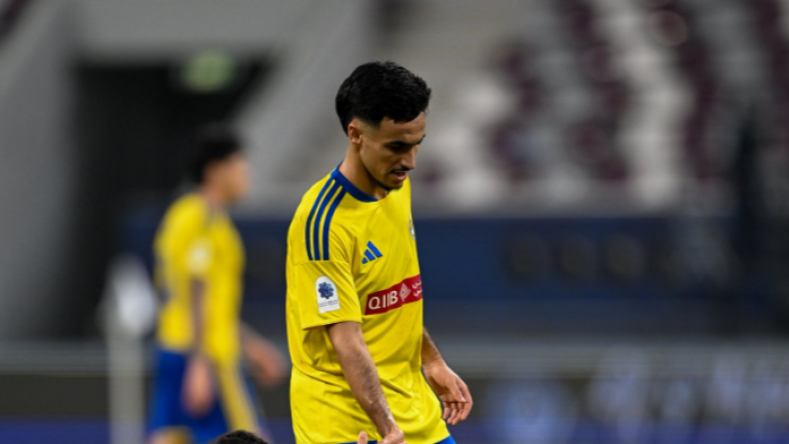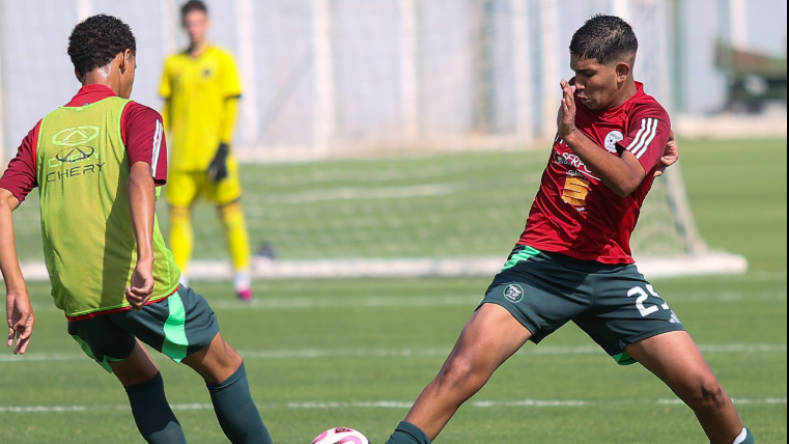
Meziane Mesloub, a 16-year-old midfielder, recently showcased his talent for RC Lens, coming off the bench in the 61st minute with his team trailing 1-0. Mesloub was instrumental in his team's comeback, contributing to the equalizer and providing the assist for the winning goal. At the time of this performance, he was 16 years and 10 months old. Mesloub currently holds Portuguese nationality and has already represented the Portugal U17 team. France is reportedly considering him for their national setup. This situation notes potential recruitment challenges for the Algerian Football Federation (FAF), which has secured only one high-caliber foreign-based player, Ibrahim Mazza, under its current administration. The FAF's struggles in attracting and retaining dual-nationality players are brought into sharp focus by Mesloub's burgeoning career trajectory and his existing international commitments.
Mesloub's Promising Profile
Meziane Mesloub, the promising young midfielder, possesses a diverse background, with his mother holding Portuguese nationality. This dual heritage plays a significant role in his eligibility for multiple national teams. His skills have drew significant attention, particularly from French media outlets, which have offered widespread praise for his performances. These media reports frequently highlight his exceptional on-field vision and technical ability. Experts tracking his development have drawn comparisons between Mesloub's refined touches on the ball and those of Barcelona's Lamine Yamal, a testament to his technical prowess at a young age. Such comparisons show the high expectations surrounding his future in professional football. His family also has ties to Algerian football; Walid Mesloub, Meziane's father, previously played for Algeria. However, the elder Mesloub did not participate in any Africa Cup of Nations finals during his career, a detail that offers a historical connection to Algerian football without implying direct influence on Meziane's current national team choices. The young midfielder's performances for RC Lens have cemented his status as one of the most exciting talents emerging from European youth academies.
FAF's Recruitment Struggles
The Algerian Football Federation (FAF) faced challenges in persuading dual-nationality players to join the national team during the tenure of coach Petkovic. This period saw difficulties in securing commitments from eligible athletes who also held citizenship in other nations. Many promising players with Algerian roots chose to represent other countries, citing various reasons ranging from development pathways to perceived national team stability. This ongoing struggle has led to questions about the FAF's long-term strategy for talent acquisition. The current administration, despite these difficulties, has only managed to secure one high-caliber foreign-based player, Ibrahim Mazza, indicating a persistent bottleneck in their recruitment efforts.
Conversely, the FAF has successfully integrated Ibrahim Mazza into the Algerian national team. Mazza, who joined the squad at the age of 19, has been recognized for his potential and is a candidate for the prestigious Golden Boy award. His inclusion represents a notable recruitment success for the federation amidst broader struggles to attract talent. Mazza's commitment to Algeria offers a rare example of a highly sought-after dual-nationality player choosing to represent the North African nation, providing a template, albeit a rare one, for future recruitment drives. His potential recognition through the Golden Boy award further elevates his profile and notes the quality of player the FAF aims to attract.
Portugal's Talent Pipeline
Portugal is widely recognized for its strong system in developing young talent for its senior national team. This established pipeline is a significant factor in the nation's footballing strength, consistently producing players who reach elite levels. The country's infrastructure supports a continuous flow of promising athletes from youth academies to professional leagues, ultimately feeding into the national squad. This strong development model contributes to Portugal's standing in international football, making it an attractive option for young players with Portuguese heritage. The nation's consistent success in youth tournaments further solidifies its reputation as a breeding ground for world-class footballers. The country's commitment to nurturing talent from an early age ensures a steady stream of players capable of competing at the highest levels of the sport. The nation is also set to co-host the next World Cup, an event that will further spotlight its footballing landscape and potentially influence its ongoing talent development strategies, drawing even more attention to its successful approach.
Broader Implications for Algeria
The situation surrounding Meziane Mesloub shows persistent challenges for the Algerian Football Federation (FAF) in securing dual-nationality talents. While Portugal maintains a strong system for developing young players, and France is reportedly considering Mesloub for its national setup, Algeria faces difficulties in attracting eligible athletes. The FAF's recruitment during coach Petkovic's tenure saw struggles in securing commitments from players with dual nationality, a pattern that appears to continue. The limited success, such as the integration of Ibrahim Mazza, contrasts with broader trends where many players of Algerian heritage opt for other national teams. The potential loss of promising players like Mesloub, who possesses Portuguese nationality and has already represented Portugal U17, notes a need for more effective strategies to engage and retain high-caliber foreign-based talents for the Algerian national team. This ongoing issue reflects a pattern where players with Algerian heritage often opt for other national teams, posing a critical challenge for the FAF's future competitiveness on the international stage. Addressing these systemic recruitment issues will be key for the FAF to harness the full potential of its diaspora talent pool.