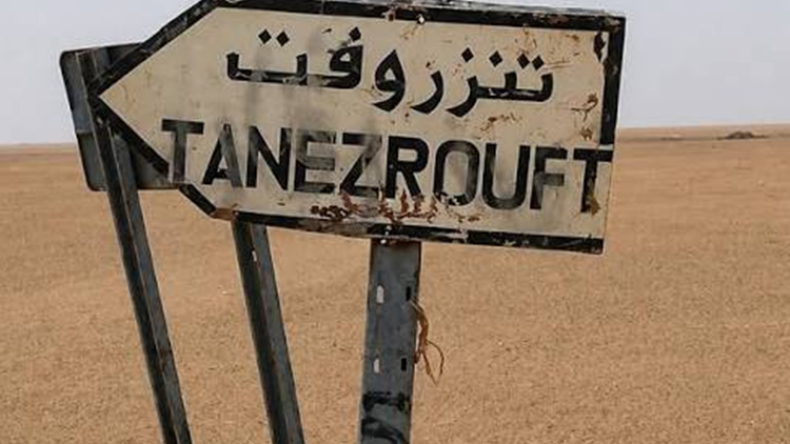
A remote desert region in Algeria, which served as an inspiration for the fictional world of Frank Herbert's novel Dune, is now slated to become a high-security prison. The world of Dune, renowned for its intricate ecological and political themes, drew heavily from the stark realities of this Algerian landscape. The Tanzrouft region, specifically the vast desert area between Adrar and Bordj Badji Mokhtar near the Malian border, will house major drug smugglers and their accomplices. Frank Herbert reportedly transferred the name 'Tanzrouft' to his novel to represent a region of death and isolation on the planet Arrakis, a concept that will now take on a new, literal meaning for its future inhabitants.
Literary Roots and Harsh Reality
Frank Herbert, author of the novel Dune, reportedly heard about Tanzrouft in the mid-1960s and drew inspiration from its description. This fascination with the Algerian desert's extreme conditions played a key role in shaping the iconic landscape of Arrakis. The real Tanzrouft, a region in southwestern Algeria near the Malian border, translates to 'land of thirst' or 'arid desert', a name that perfectly encapsulates its formidable environment. Herbert's seminal work, Dune, was published in 1965, introducing readers to a universe deeply influenced by real-world geopolitical and environmental struggles. In the novel, the 'Fremen' characters are inspired by the Amazigh people, whose name translates to 'free men', noting Herbert's engagement with indigenous cultures and their resilience in harsh environments.
Herbert later named the deepest and most dangerous region of Arrakis 'Tanzeroft' in his subsequent novel, Children of Dune, reflecting the harsh characteristics of its real-world counterpart. This deliberate naming choice further cemented the connection between the Algerian desert and the fictional planet. The actual Tanzrouft region is characterized by extreme summer temperatures, which can exceed 50°C, and a complete absence of water and vegetation. These severe environmental conditions show the literary association with a place of significant desolation and challenge, making it a natural choice for the setting of a high-security penal institution. The sheer inhospitality of the Tanzrouft region itself serves as a formidable barrier, complementing any man-made security measures.
Government's Isolation Strategy
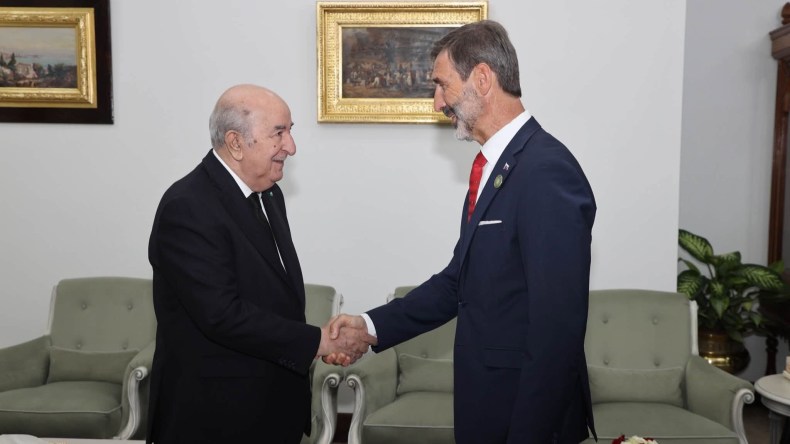
Algerian President Abdelmadjid Tebboune made the decision to convert a military barracks in the Tanzrouft region into a high-security prison. This strategic move aims to utilize the region's inherent isolation for national security purposes. The Supreme Security Council formally decided on September 2, 2026, to proceed with the conversion of the Tanzrouft barracks into this high-security facility. The chosen location for the prison capitalizes on its extreme isolation, challenging environment, and lack of existing infrastructure, factors intended to render escape virtually impossible. This strategy leverages the natural barriers of the desert terrain, making it an ideal site for detaining major drug smugglers and their accomplices, as confirmed by official statements. A military barracks was initially established in Tanzrouft following Algerian independence, serving the purpose of monitoring the nation's extensive borders. This existing military presence provides a foundational infrastructure that can be adapted for the new penal facility, albeit with significant modifications to enhance security and isolation. The decision reflects a broader governmental approach to combating organized crime by isolating high-risk offenders in the most remote and inhospitable parts of the country.
Broader Context and Future Implications
American author Frank Herbert, born in 1920, drew inspiration from various sources for his seminal works, including the Dune series. Herbert was reportedly influenced by the Algerian Revolution, which took place between 1954 and 1962, and the broader struggles faced by Algerians during that period. This historical context deeply informed his narratives of resistance against oppressive forces and the fight for survival in extreme conditions. His novel Children of Dune, a continuation of the Dune saga, was published in 1976, further exploring the themes of power, ecology, and human adaptation that were first introduced in Dune. The transformation of the Tanzrouft barracks into a high-security prison is a significant development, showing the Algerian government's resolve to address serious criminal activities. This article, published on September 9, 2026, details the transformation of a military barracks in Algeria's Tanzrouft region into a high-security prison. The report itself contains 682 words, providing extensive coverage of the government's decision and the historical and literary context of the region, emphasizing the unique confluence of cultural inspiration and modern security imperatives in this remote desert landscape. The prison's establishment in such an extreme environment is expected to serve as a strong deterrent, reinforcing the message that severe crimes will be met with equally severe consequences and isolation.