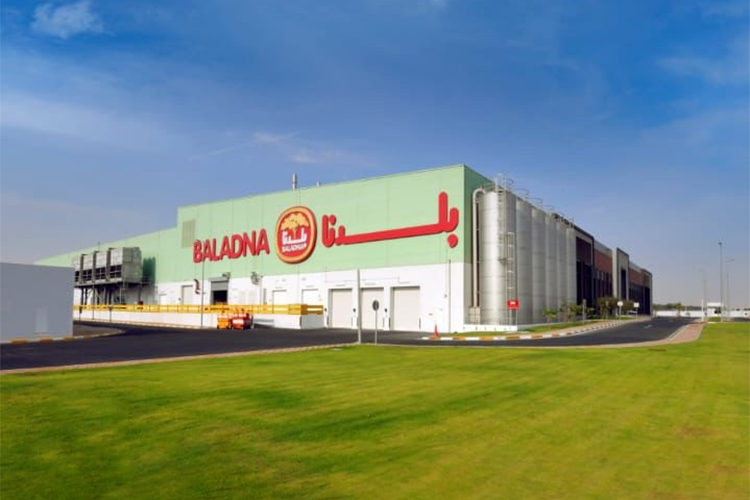
Algerian authorities have selected three major international suppliers to equip the Baladna project, a significant investment dedicated to producing powdered milk and red meat in Adrar, southern Algeria. This ambitious undertaking, a joint Algerian-Qatari initiative, carries an estimated total investment of approximately $3.5 billion. The project is poised to become a cornerstone of Algeria's agricultural self-sufficiency efforts, particularly in key food sectors. French companies were notably absent from the list of suppliers chosen for the endeavor, a detail that has drawn attention in the agricultural sector. French agricultural magazine Matériel Agricole noted this absence on Thursday, June 24, noting the selection of other international firms from Italy, Germany, and the United States. The magazine specifically reported that "FPT to Supply Equipment for a 270,000-Cow Farm in Algeria," showing the scale of the international involvement. The exclusion of French firms from such a substantial project marks a notable shift in Algeria's procurement strategies for major national developments.
Italian Engine Power
FPT, a subsidiary of the Fiat group, has been contracted by Baladna Group for the project, securing a significant role in its operational infrastructure. The Italian company, which specializes in engines and powertrain technologies, will provide technologically advanced engines built to new technical specifications tailored for the Baladna venture. Specifically, FPT will manufacture six-cylinder diesel engines—model 13, with a displacement of 12.9 liters—for fifty GP 330 S/I-A power generator units rated at 330 kVA. These strong engines are essential for powering the extensive operations required for a project of this magnitude, ensuring reliable energy supply for various agricultural and processing activities. This contract further solidifies Italy's growing economic ties with Algeria. Fiat already operates an automobile manufacturing plant in Oued Tlélat, near Oran, demonstrating a sustained commitment to industrial collaboration within the country.
Italy has emerged as Algeria’s leading partner in recent years, with Rome being the primary importer of Algerian natural gas, a critical resource for European energy security. This energy relationship forms a strong foundation for broader economic cooperation. Italy is also the only European country engaged in an active automotive manufacturing partnership with Algeria, distinguishing its industrial presence from other nations. In contrast, the French Renault plant has remained inactive for nearly six years, reflecting a different trajectory in Franco-Algerian industrial relations. Beyond Italian contributions, Germany's GEA, specializing in food-processing technologies, signed contracts with Baladna Algeria in March 2025, further diversifying the project's international partnerships and bringing specialized expertise to the powdered milk production component. The involvement of these European industrial giants notes the global interest and strategic importance of the Baladna project.
American Livestock Logistics
Baladna announced an ambitious airlift operation in April to transport 30,000 Holstein cows from the United States. This massive logistical undertaking will involve 109 flights, meticulously planned to ensure the safe and efficient transfer of the livestock. The cow transfer operation carries an estimated value exceeding $635 million, reflecting the significant investment in establishing a high-quality dairy herd. This development follows a period where American companies have secured multiple contracts and agreements with Algeria's state-owned oil and gas company, Sonatrach, in recent years, indicating a strengthening of economic ties between the two nations. The overall Baladna project, a joint Algerian-Qatari initiative, aims to develop more than 117,000 hectares of agricultural land, transforming vast arid areas into productive agricultural zones. It also seeks to raise 270,000 dairy cows, a substantial number that will form the backbone of Algeria's milk production goals. Production targets for the project include 100,000 tons of milk annually, a figure designed to significantly reduce Algeria's reliance on powdered milk imports. This large-scale agricultural and livestock venture is expected to generate approximately 5,000 jobs for local residents in the Adrar region, providing substantial economic opportunities and contributing to rural development. The transfer of cows is scheduled to begin next November and continue over a period of 10 months, demonstrating the phased approach to implementing this complex project.
Project Scale and Context
Algeria’s National Investment Fund is actively participating in the Baladna project, signifying its strategic importance to national development and food security. The project is primarily focused on the production of powdered milk and red meat, two key commodities for which Algeria currently has significant import needs. The transfer of 30,000 Holstein cows from the United States, a key component of the project, is scheduled to commence next November, marking a critical step towards establishing the necessary livestock infrastructure. This airlift operation will continue over a period of 10 months, showcasing the logistical challenges and long-term planning involved. The ambitious scope of the Baladna project aligns with Algeria's broader economic diversification goals, aiming to reduce dependence on hydrocarbon revenues by developing other strategic sectors like agriculture.
The Algerian government's involvement extends to diplomatic channels, as evidenced by an appeal made by German President Frank-Walter Steinmeier to Algerian President Abdelmadjid Tebboune. The appeal, which occurred in November of last year, concerned the release of Boualem Sansal, indicating ongoing high-level diplomatic engagements between Algeria and its European partners. The Baladna project aims to develop over 117,000 hectares of agricultural land, a vast area that will be transformed for crop cultivation and pastureland. It also seeks to raise 270,000 dairy cows, establishing one of the largest dairy operations in the region. Production targets include 100,000 tons of milk annually, a significant volume designed to meet domestic demand. With an expected creation of approximately 5,000 jobs for local residents in the Adrar region, the project is not only an economic catalyst but also a vital source of employment and development for southern Algeria.