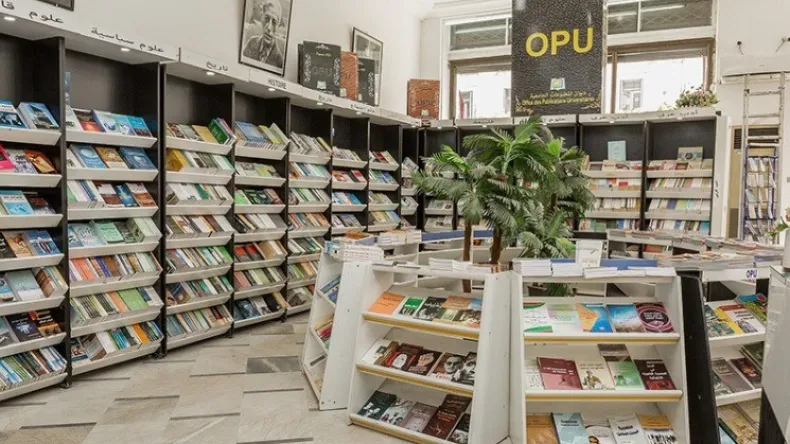
Algeria's Minister of Higher Education and Scientific Research, Kamal Baddari, emphasized the importance of investing in "excellence specializations" like artificial intelligence, cybersecurity, renewable energy, and biotechnology. These efforts aim to prepare key actors for economic sovereignty, according to statements made in the context of the article published on September 12, 2026. This strategic focus shows Algeria's commitment to fostering a knowledge-based economy and ensuring its academic output directly contributes to national development goals. Concurrently, the National Office for University Publications (OPU) is actively enriching its pedagogical and scientific resources. This initiative involves the introduction of new English-language publications, specifically in preparation for the upcoming 2026-2027 academic year. The OPU's work is key in providing the necessary academic infrastructure to support these ambitious educational reforms.
Boosting Specialized Fields
The decision to offer certain university courses in English is part of a broader strategy to align academic programs with national economic and technological objectives. This approach aims to prepare students for sectors undergoing rapid transformation, ensuring they are equipped with globally relevant skills. Officials stated that teaching these specializations in English is intended to respond to economic and technological transformations, thereby opening new horizons for students in the job market and innovation. By embracing English as a medium of instruction in these critical fields, Algeria seeks to bridge the gap between academic learning and the demands of a rapidly evolving global economy. The initiative seeks to equip graduates with skills directly applicable to emerging industries and to foster a culture of innovation within the Algerian educational system. This move is expected to enhance the competitiveness of Algerian graduates both domestically and internationally, making them more attractive to employers and research institutions worldwide. The focus on specific fields taught in English is designed to meet the demands of a globalized economy, particularly in areas critical for digital transformation and economic diversification. This strategic shift is anticipated to cultivate a workforce capable of driving Algeria's progress in key technological and scientific domains.
The emphasis on these "excellence specializations" reflects a forward-looking vision for Algeria's economic future. By prioritizing fields such as artificial intelligence, cybersecurity, renewable energy, and biotechnology, the nation aims to cultivate a highly skilled workforce capable of innovation and leadership in these critical sectors. The choice of English as the language of instruction for these specialized university courses is a deliberate move to ensure that Algerian students have access to the latest international research and can effectively collaborate on a global scale. This approach is designed to produce graduates who are not only proficient in their chosen fields but also possess the linguistic tools necessary to thrive in international academic and professional environments. The government's objective is to foster an environment where academic excellence directly translates into tangible economic benefits and technological advancements for the country.
Digital Library Enhancements
The newly introduced English publications are intended to furnish modern scientific references, fulfilling the requirements of students, professors, and researchers, according to officials. This initiative also aims to bolster the standing of the English language within Algerian universities, recognizing its role as a predominant language in scientific discourse and international collaboration. The provision of high-quality, English-language academic materials is expected to significantly improve the learning and research experience for the university community.
The National Office for University Publications (OPU) is concurrently engaged in the development and continuous updating of its digital library, accessible via http://www.opu.udl.dz/. This digital library enhancement involves the integration of artificial intelligence and smart assistant technologies. The objective of this technological shift is to transition from traditional digital books to intelligent books, offering a more interactive and dynamic learning resource. This innovative approach aims to provide users with enhanced search capabilities, personalized recommendations, and a more engaging academic experience.
These technological integrations are designed to improve the visibility of Algerian scientific production across various search engines and artificial intelligence platforms, ensuring broader access and recognition for local research and academic content. By making Algerian research more discoverable and accessible on a global scale, the OPU aims to elevate the country's profile in the international scientific community. This move is also expected to facilitate greater collaboration between Algerian researchers and their counterparts abroad, fostering a more interconnected and productive academic landscape. The continuous development of the digital library shows Algeria's commitment to leveraging technology for educational advancement and knowledge dissemination.
Strategic Academic Shift
Forty titles have been printed in English, covering various scientific and academic disciplines as part of Algeria's educational strategy. This significant output demonstrates the concrete steps being taken to integrate the English language more prominently into specialized fields. The availability of these new publications will directly support the English-taught courses and research initiatives, providing essential resources for both students and faculty. The range of disciplines covered by these 40 titles reflects the breadth of Algeria's ambition to modernize its higher education system and align it with global standards.
Minister of Higher Education and Scientific Research, Kamal Baddari, recently visited the University City of Tipaza. The purpose of his visit was to follow up on the readiness of higher education institutions in the region for the upcoming academic year. This inspection ensures that universities are prepared to implement the new academic programs and resources, including the newly published English titles. The Minister's visit notes the high-level commitment to the successful execution of these educational reforms. The strategic shift towards English-language academic materials and specialized courses is intended to support Algeria's economic sovereignty and digital transformation objectives. This full approach, encompassing curriculum reform, digital infrastructure development, and ministerial oversight, signals a strong commitment to enhancing the quality and global relevance of Algerian higher education.