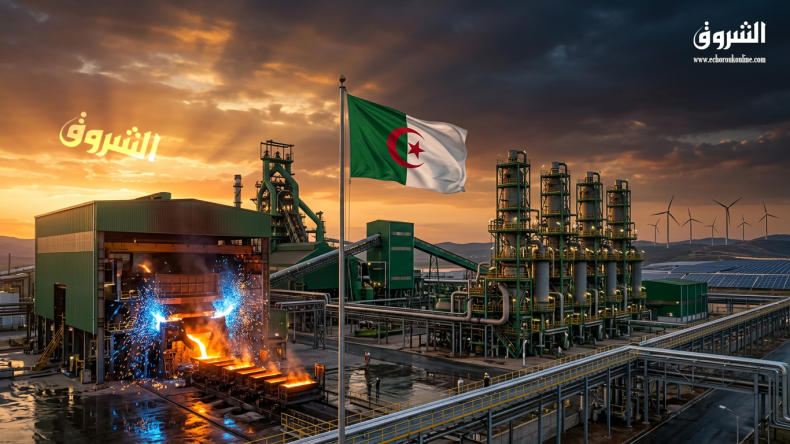
Algeria has officially joined the "gigawatt club" for renewable energy, marking its first entry into the group of nations capable of producing at least one gigawatt of power from renewable sources. This significant achievement shows Algeria's commitment to advancing its green energy production capabilities. The country's new status signifies a milestone in its efforts to expand its green energy infrastructure and diversify its power generation away from fossil fuels. This development positions Algeria among a growing number of countries making substantial strides in developing and integrating renewable energy capacity into their national grids. Joining this exclusive group notes the nation's progress and ambition in the global energy transition.
New Solar Power Stations Inaugurated
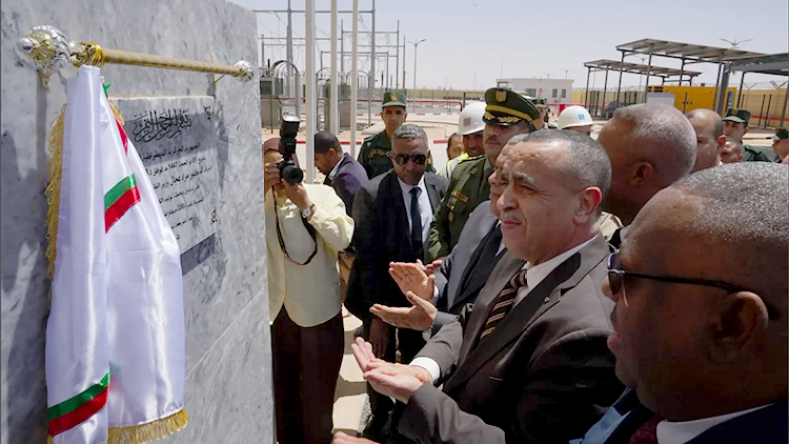
The official inauguration of the El Grous solar power station in Biskra and the M'Ghair solar power station took place, marking a key moment in Algeria's renewable energy expansion. Each of these facilities contributes significantly to Algeria's renewable energy portfolio, bolstering the nation's overall capacity. The stations, strategically located in different regions, are key components of the nation's strategy to bolster its green energy production and reduce reliance on traditional energy sources. Each solar power station has an impressive capacity of 200 megawatts, representing a substantial addition to the country's grid. The combined output from these two new stations totals 400 megawatts, marking a significant step towards Algeria's renewable energy goals. This development brings the country closer to its broader objectives for sustainable power generation and demonstrates tangible progress in its energy transition.
Future Renewable Energy Goals and Financing Opportunities
Sonelgaz, the national electricity and gas company, currently adds between 1,000 to 1,500 megawatts (or 1 to 1.5 gigawatts) of electricity annually to meet summer peak demand, primarily generated through gas combustion. This expansion predominantly relies on existing fossil fuel infrastructure, noting the ongoing challenge of transitioning to greener alternatives. To accelerate the shift towards a more sustainable energy mix, the article proposes designating renewable energy projects as initiatives of national interest. This critical designation would enable these projects to become available for external financing, potentially accelerating their development and reducing reliance on the current gas-fired expansion model. The move aims to support Algeria's broader strategy for energy transition and capacity building in the renewable sector, fostering a more diversified and environmentally friendly energy landscape.
Expert Commentary on Progress and Surpassing Projections
Algeria's actual national production of electricity from renewable sources has reached 1009 megawatts (1.09 gigawatts). This figure definitively confirms the country's entry into the "gigawatt club" for renewable energy for the first time. The achievement follows earlier projections from the Commission for Renewable Energies and Energy Efficiency for 2025, which had indicated a production target of 609 megawatts. The current output significantly surpasses that earlier forecast, showing Algeria's accelerated progress in expanding its renewable energy capacity well ahead of schedule. This remarkable jump in production demonstrates the effectiveness of recent investments and strategic initiatives in the renewable energy sector.
Broader Energy Context and Ambitious Targets
Algeria has set an ambitious target to reach 15,000 megawatts of renewable energy capacity by 2035. This objective shows the nation's long-term strategy to significantly expand its green energy infrastructure and establish itself as a regional leader in renewable energy. The goal aligns with broader efforts to diversify energy sources and reduce reliance on fossil fuels, positioning renewable energy as a key component of Algeria's future power generation landscape. This long-term vision aims to ensure energy security, promote sustainable development, and contribute to global efforts to combat climate change.