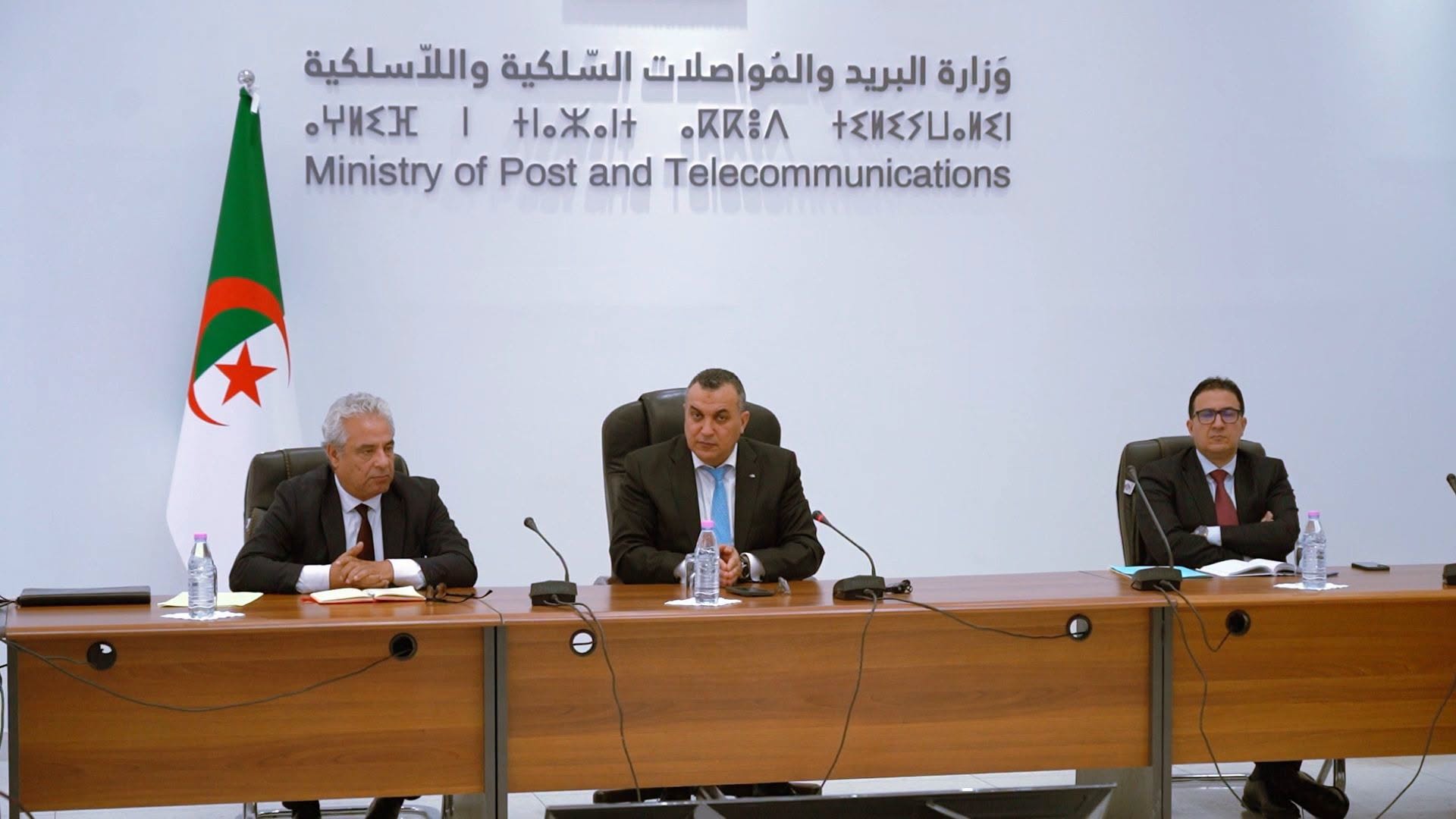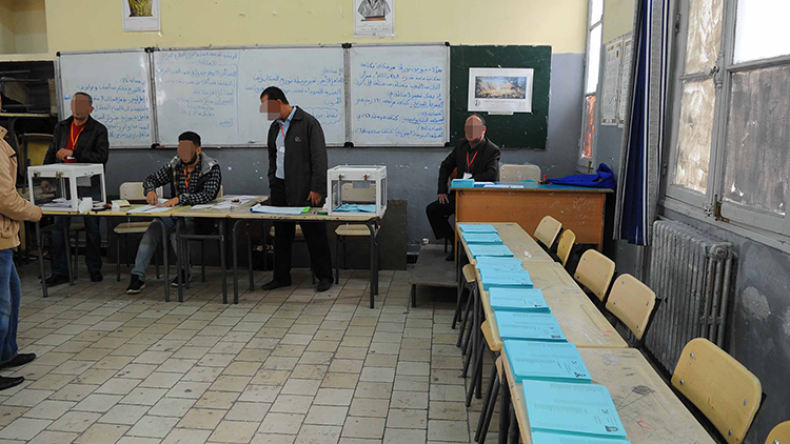
Algeria is preparing for National Assembly elections, with the Independent National Authority for Elections (ANIE) issuing full instructions for readiness checks and security measures ahead of the key election silence period. This period, designed to allow voters to reflect without further campaigning, begins precisely 72 hours before the vote. ANIE has directed its representatives in the states to meticulously inspect the readiness of document storage centers and ballot boxes, ensuring all logistical components are in place for a smooth electoral process. These instructions also cover verifying stringent security procedures for the centers, a critical step to safeguard the integrity of the election, and checking the progress of printing voter cards and trainer assignments, which are essential for voter participation and electoral oversight.
The directives are an integral part of ANIE's ongoing field visits, which are closely coordinated with provincial governors. These visits are designed to thoroughly assess the readiness of state and municipal coordination offices, ensuring that all local administrative bodies are prepared for their roles in the upcoming elections. Instructions were specifically sent to representatives abroad, directing consular center and consulate heads to monitor preparations diligently. Their mandate is to ensure the readiness and security of polling stations, ballot boxes, and election documents for Algerian expatriates, allowing citizens living abroad to exercise their democratic right with the same level of security and preparedness as those within Algeria.
Campaign Trail Activities
The election campaign for Algeria's National Assembly is in full swing and is scheduled to conclude on June 29. Candidates are actively engaging with the electorate through various methods, aiming to maximize their reach and influence. Many hopefuls are conducting individual field campaigns, allowing them to connect directly with voters in different localities, addressing their concerns, and presenting their platforms face-to-face. Alongside these traditional efforts, candidates are also intensifying their presence on social media platforms to reach a broader audience and disseminate their messages efficiently. This dual approach, combining grassroots engagement with digital outreach, aims to ensure that candidates can communicate effectively with diverse segments of the population as the election date approaches.
Party Representative Roles
Political parties and independent lists have completed the key appointment of their accredited representatives at polling stations across Algeria. These representatives are tasked with accompanying all stages of the electoral process, providing essential oversight and transparency. Their responsibilities span from the careful opening of polling stations to the careful process of vote counting and the subsequent preparation of detailed reports. This continuous presence is vital for upholding the integrity of the election.
Despite the full nature of this oversight, some political formations, particularly those with limited representation and independent lists, faced difficulties in covering all polling stations. These challenges arose primarily due to the sheer number of offices nationwide, which requires significant human resources, and financial constraints experienced by these groups, making it difficult to deploy personnel widely. The extensive effort to deploy representatives to each station shows the immense importance placed on monitoring the electoral process thoroughly and ensuring fairness at every stage.
Digital vs. Traditional Campaigning
Political party leaders are holding rallies and neighborhood meetings across Algeria to garner support for their candidates in the upcoming National Assembly elections. This traditional campaigning approach involves direct engagement with voters in various localities, fostering personal connections and allowing for immediate feedback. Concurrently, digital platforms have become a primary space for electoral competition in the current election cycle, reflecting a broader trend in modern political engagement. Candidates and parties are increasingly utilizing social media and other online channels to disseminate their messages, reach a wider audience, and engage with the electorate through interactive content and real-time updates. This dual strategy, which combines conventional outreach methods with modern digital engagement, reflects a significant and evolving shift in how political campaigns are conducted in Algeria. The emphasis on both physical gatherings and a strong online presence aims to maximize voter interaction and influence as the election date draws near, ensuring that all potential voters are informed and engaged.
Observer Commentary
The election for members of the National People's Assembly is scheduled for July 2. This date sets the final timeline for candidates and electoral bodies as preparations intensify across the country. The Independent National Authority for Elections (ANIE) has been issuing directives to ensure all logistical and security aspects are addressed, emphasizing transparency and fairness. These measures include strict instructions for readiness checks of document storage centers and ballot boxes, along with verifying security procedures to prevent any irregularities. ANIE has coordinated field visits with provincial governors to assess the preparedness of state and municipal coordination offices, ensuring a unified and efficient electoral administration. Algerian expatriates are also included in these full efforts, with consular centers and consulates instructed to monitor preparations for polling stations abroad, guaranteeing their right to participate. The election campaign will conclude on June 29, leading directly into the legally mandated election silence period before the vote on July 2.