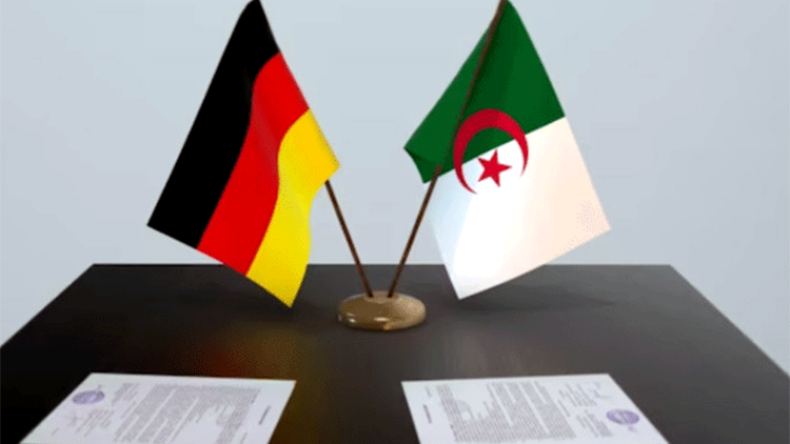
Algeria is strategically strengthening its partnership with major European countries, with Germany notably increasing its economic presence and investment footprint across key sectors. These concerted efforts are designed to foster deeper bilateral ties and contribute to Algeria's economic diversification goals. A significant component of this burgeoning collaboration involves German companies aiming to establish an "integrated industrial ecosystem" within Algeria's burgeoning automotive sector, signaling a long-term commitment to local production and industrial development. The initial agreement outlining these ambitious plans was officially announced in a statement from the Ministry of Energy and Renewable Energies on Tuesday, June 16th, showing the strategic importance of energy and industrial development in this renewed partnership.
German Automotive Sector Investment: Building an Integrated Ecosystem
The automotive sector stands out as a primary area of focus for this enhanced cooperation. Six German industrial companies are specifically scheduled to arrive in Algeria between June 28 and July 3, with a clear mandate to explore and identify concrete investment opportunities within the country's automotive industry. This proactive engagement from German enterprises is underpinned by Algeria's Decree 22-384, a key regulatory framework designed to stimulate local manufacturing and integration. This decree mandates a progressive increase in the local integration rate, targeting thirty percent by the end of 2026, thereby ensuring that foreign investments contribute significantly to the domestic industrial base.
The automotive giant Stellantis is already actively working under the provisions of this decree at its advanced facility in Tafraoui, located in western Algeria, setting a precedent for other international players. The discussions between Algerian authorities and the visiting German delegations extend beyond mere assembly operations. They comprehensively cover critical aspects such as knowledge transfer, fostering first and second-level partnerships with local suppliers, ensuring adherence to stringent engineering standards, implementing strong quality certifications, and streamlining sequential logistics to support an efficient and integrated supply chain. The upcoming visit from these German companies signals a concerted and strategic effort to establish a truly integrated industrial ecosystem in Algeria's automotive industry, moving beyond simple import and assembly to deep local value creation. This holistic approach aims to create a self-sustaining automotive sector, capable of meeting domestic demand and potentially contributing to regional exports.
Energy Transition Cooperation: Diversifying Sources and Building Capacity
Beyond the automotive industry, energy cooperation forms another cornerstone of the Algerian-German partnership, particularly in the context of the global energy transition. Germany, like many European nations, is actively looking to diversify its energy sources and reduce its reliance on traditional suppliers, notably Russia, in the wake of evolving geopolitical landscapes. This strategic imperative for Germany aligns perfectly with Algeria's ambitious moves and significant potential in the renewable energy sector. Algeria, possessing vast solar and wind resources, is positioning itself as a future leader in green energy production.
In a tangible step towards this goal, Algeria and Spain recently signed an agreement this week to implement the 'DigiEnR' project. This project is specifically designed to focus on digitizing the integration of renewable energies into Algeria's national electricity system, enhancing efficiency and grid stability. This initiative is key for effectively harnessing Algeria's renewable energy potential and integrating it smoothly into the existing infrastructure. The 'DigiEnR' project agreement was signed with the German Agency for International Cooperation (GIZ), noting Germany's direct involvement in supporting Algeria's renewable energy infrastructure development and capacity building. This collaboration shows a shared vision for a sustainable energy future and strengthens the technological and technical ties between the two nations in this vital domain.
Broader European Context: Shifting Economic Alliances
The increased German engagement is part of a broader trend of shifting economic alliances and renewed interest from European nations in Algeria. Both Italy and Spain are also significantly increasing their economic presence in Algeria, pursuing various investment and trade opportunities across different sectors. Concurrently, French partners are actively working to regain previous advantages and re-establish their strong economic foothold in the Algerian market, indicating a competitive but ultimately collaborative European approach to engagement with Algeria. This dynamic European interest occurs against the backdrop of some notable shifts, such as the French company Coface having abandoned its branch in Algeria. This move by Coface contrasts sharply with the expanded activities and renewed commitments from other European nations in the country, noting the evolving landscape of international business relations in Algeria.
Strategic Significance and Future Outlook: A Green Energy Exporter
Algeria's long-term vision is clear: it aims to establish itself as an "exporter of green energy" by the year 2040. This ambitious goal is supported by strategic partnerships and projects like 'DigiEnR,' which are vital for digitizing the integration of renewable energies into Algeria's national electricity system. The cooperation with the German Agency for International Cooperation (GIZ) on this project significantly contributes to Algeria's broader energy diversification goals, moving away from a sole reliance on hydrocarbons. The strengthening of economic ties is also evident in the remarkable growth of the Algerian-German Chamber of Commerce and Industry (AHK Algérie), which is projected to reach an impressive 700 members by 2026. This substantial increase in membership is a strong indicator of expanding bilateral economic engagement and a clear signal of confidence from both Algerian and German businesses in the future of this partnership. These full developments show a strategic partnership focused on sustainable energy, industrial growth, and mutual economic benefit, positioning Algeria as a key player in the regional and global energy transition.