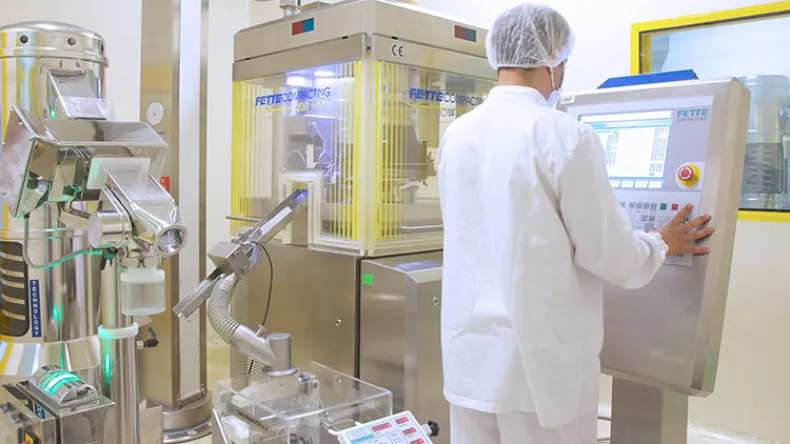
Algeria has significantly increased its domestic capacity for producing cancer treatment drugs, with 11 facilities currently operational. A responsible official at the Ministry of Pharmaceutical Industry stated that the number of pharmaceutical institutions approved by the Ministry to produce these drugs in Algeria reached 15. The official noted that 11 of these institutions are presently operational, marking a substantial step forward in the nation's healthcare self-sufficiency. This development was reported on May 4, 2026, noting the country's ongoing commitment to strengthening its domestic pharmaceutical sector.
Current Production Capacity
Eleven institutions, including the public conglomerate Saidal, are currently producing 172 drugs used in the treatment of several types of cancer. These facilities contribute significantly to Algeria's domestic pharmaceutical supply, aiming to meet the critical needs of patients nationwide. The production of these 172 distinct drugs shows the breadth of therapeutic areas being addressed by the burgeoning local industry. The Central Pharmacy of Hospitals currently markets 439 different drugs specifically for cancer treatment, ensuring a diverse range of options are available to healthcare providers and patients. This extensive catalog of available medications is key for full cancer care.
Regulatory Approvals and Expansion
The Ministry of Pharmaceutical Industry has granted a total of 15 approvals for the establishment of industrial units specializing in the production of anti-cancer materials. These approvals show Algeria's strategic push to bolster its domestic pharmaceutical manufacturing capabilities, particularly in critical medical areas. The initiative aims to reduce reliance on imported treatments and enhance the accessibility of essential medications for cancer patients across the country, ensuring a more resilient supply chain. The fact that 11 of these 15 approved institutions are already operational demonstrates the rapid progress being made in this vital sector.
Additionally, the Ministry is reviewing two further requests for approval concerning new units dedicated to the production of anti-cancer materials. This ongoing process indicates a sustained effort to expand the country's capacity for cancer drug manufacturing beyond the currently operational facilities, signaling future growth in this sector. The continuous evaluation of new projects reflects a proactive approach to meeting future healthcare demands.
Broader Pharmaceutical Landscape
Algeria's broader pharmaceutical sector encompasses a total of 233 institutions actively engaged in various specializations across the national industrial fabric. This extensive network supports the country's efforts to enhance its medical self-sufficiency, including the production of cancer treatment drugs. The diversified capabilities of these institutions contribute to meeting a wide range of healthcare needs within Algeria, from basic medications to highly specialized treatments. The overall pharmaceutical landscape underlines a strategic push towards reducing reliance on imported medical supplies and strengthening domestic manufacturing capacity across multiple therapeutic areas. This broad base is key for future expansion and innovation in the country's healthcare industry, fostering a strong and independent pharmaceutical ecosystem.
Ministry's Vision
Of the 15 institutions approved for the production of cancer drugs, 11 are currently operational, contributing significantly to Algeria's pharmaceutical manufacturing base. This ongoing development is part of a broader strategy to enhance domestic drug supply and ensure health security for its citizens. The Ministry of Pharmaceutical Industry is also overseeing four new projects designed to further support the national production of anti-cancer medications. These initiatives aim to bolster Algeria's self-sufficiency in critical medical treatments and reduce reliance on imports, fostering greater independence in healthcare provision. The expansion reflects a concerted effort by the ministry to strengthen the country's capacity for manufacturing essential pharmaceuticals, ensuring a stable and accessible supply of life-saving drugs.