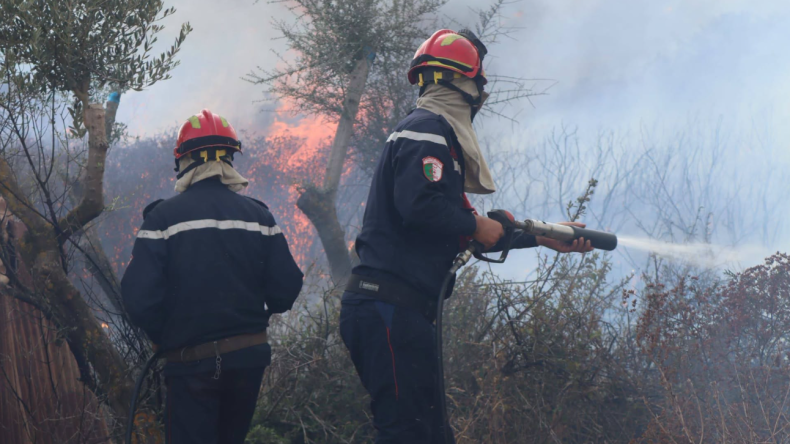
Algeria is battling 131 vegetation fires, predominantly in the eastern parts of the country, as of 5:00 PM on Wednesday. These numerous blazes, occurring in vegetation cover, represent a significant challenge for emergency services across the nation. Efforts are currently focused on extinguishing 75 continuous fires that remain active across the affected regions, demanding a full and coordinated response. The widespread nature of these incidents shows the intensity of the current fire season and the urgent need for containment.
Provincial Fire Breakdown
The highest concentration of vegetation fires was reported in Béjaïa province, which recorded 20 separate incidents. This figure notes Béjaïa as one of the most severely impacted areas, requiring substantial firefighting resources. Neighbouring Tizi Ouzou province also faced significant challenges, with authorities noting 13 fires within its borders, indicating a substantial number of outbreaks in this mountainous region. Further east, Skikda province registered 10 fires, contributing to the widespread nature of the blazes impacting the coastal and inland areas. Jijel province accounted for six fires, as emergency services continued their efforts to contain the rapidly spreading vegetation. These figures indicate the scale of the firefighting operations underway across multiple provinces in Algeria, with these four provinces alone accounting for nearly half of the total incidents. The operational focus remains on these key areas where fire activity has been most intense, aiming to protect communities and natural landscapes from further destruction. The geographical spread of these incidents across various provinces necessitates a strong and adaptable response strategy from national and local authorities.
Emergency Response Efforts
Helicopters and firefighting planes were deployed alongside ground resources to combat the widespread blazes. The aerial fleet provides critical support, particularly in difficult-to-reach terrains and for rapid suppression of developing fires. Among the aerial assets utilized were the Mi-26 firefighting helicopter, known for its significant water-carrying capacity, and AT-802 firefighting planes, which are highly effective in precision water drops. A BE-200 plane also joined the efforts to contain the fires, adding to the specialized capabilities available to the firefighting teams. These aircraft provided key support to ground teams working across the affected provinces, including those with high fire concentrations such as Béjaïa, Tizi Ouzou, and Skikda. The combined air and ground operations are central to the strategy for controlling the ongoing vegetation fires throughout Algeria, ensuring that both initial attacks and sustained suppression efforts are well-supported. The deployment of these specialized assets is vital for mitigating the rapid spread of fires across diverse landscapes.
Ongoing Fire Situation
Authorities have successfully extinguished 56 vegetation fires, according to official reports, as efforts continue to bring the widespread blazes under control. This progress, representing a significant number of contained incidents, comes amidst ongoing operations across several provinces, where firefighters are tackling numerous active incidents. The focus remains on containing the remaining 75 continuous fires, particularly in the eastern regions of the country, where the majority of the outbreaks have occurred. Firefighting teams, supported by aerial assets, are working tirelessly to prevent further spread and protect affected communities, livestock, and infrastructure. The extinguished fires represent a portion of the incidents that have erupted, demonstrating the sustained response by emergency services and their commitment to managing this challenging situation. The ongoing efforts are critical to minimizing the environmental and economic impact of these widespread fires.
Geographic Scope
The vegetation fires have affected a broad expanse of Algeria's provinces. The blazes were recorded in the provinces of Béjaïa, Tizi Ouzou, Skikda, Jijel, El Tarf, Sétif, Mila, Annaba, Guelma, Médéa, Constantine, Batna, Tébessa, Tissemsilt, and Boumerdès. This extensive list of 15 provinces indicates the wide geographical distribution of the incidents across the country, stretching from coastal areas to inland territories. Emergency services are coordinating efforts across these diverse regions to manage and contain the numerous outbreaks, adapting their strategies to the specific conditions of each province. The operational focus remains on addressing the fires in each of these affected areas to mitigate further damage and ensure public safety, noting the national scale of the emergency response. The sheer number of affected provinces shows the severity and widespread nature of the fire crisis Algeria is currently facing.