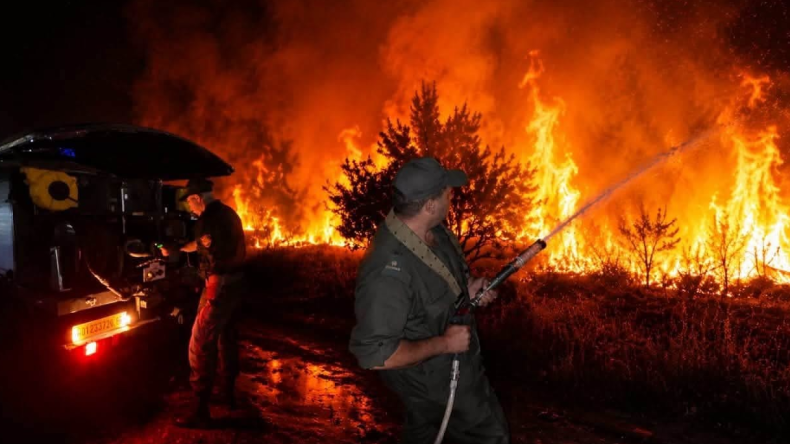
Algeria has recorded 1550 fires across its territory in just 12 days, amidst a severe heatwave impacting the country. This staggering number of blazes, averaging over 129 fires per day, shows a rapidly escalating environmental crisis that has placed immense strain on emergency services and natural resources. The significant number of blazes has been attributed to a combination of environmental and human factors. Contributing elements include sharp increases in temperature, which create conducive conditions for ignition, and strong winds that accelerate the spread of flames across affected areas. Human factors are also cited as playing a role in the outbreak and proliferation of these fires, either through accidental ignition or, in some cases, deliberate acts. The sheer volume of incidents in such a short timeframe notes the critical challenges facing the nation.
Extent of the Damage
The fires have impacted forests and agricultural crops across 34 wilayas (provinces) of Algeria, demonstrating the widespread geographic reach and varied ecological impact of the current crisis. This extensive scope means that nearly half of Algeria's 58 wilayas have been affected, signifying a broad national emergency rather than isolated incidents. Out of the 1550 recorded blazes, 383 specifically affected forest areas, indicating a significant loss of vital natural woodlands. The extensive scope of the fires across numerous administrative divisions indicates a widespread environmental and agricultural crisis, threatening biodiversity and rural economies. The damage to both natural woodlands and cultivated lands poses significant challenges for the affected regions, impacting local ecosystems and livelihoods. The classification of fires affecting forest areas notes a particular vulnerability in the country's natural resources during the ongoing heatwave conditions, with long-term ecological recovery efforts likely to be substantial. The destruction of agricultural lands further jeopardizes food security and the economic stability of farming communities.
Contributing Factors Detailed
The fires are unfolding against a backdrop of severe heatwave conditions and challenging climatic circumstances across Algeria. These environmental factors contribute significantly to the ignition and rapid spread of the blazes, creating a volatile landscape highly susceptible to combustion. High temperatures create extremely dry vegetation, making it more susceptible to combustion and acting as readily available fuel. The intense heat not only dries out foliage but also raises ground temperatures, increasing the likelihood of ignition from even minor sparks. The combination of intense heat and dry conditions transforms landscapes into fuel-rich environments, exacerbating the risk of widespread conflagrations that are difficult to control. Strong winds play a critical role, not only by fanning existing flames but also by carrying embers over long distances, leading to new fire outbreaks far from the initial source. Such atmospheric conditions intensify the destructive potential of even small ignition sources, leading to the rapid escalation of fires across multiple regions. This challenging climate makes fire containment efforts particularly difficult for emergency services, requiring extensive resources and coordinated responses.
Ministry's Response and Call
The Ministry of Agriculture affirmed that the current situation represents a significant test for the resilience and dedication of the forestry sector. This statement acknowledges the extraordinary pressure and demanding circumstances under which forestry personnel are operating. The ministry's statement showed the gravity of the challenges faced by those involved in managing Algeria's natural resources amidst the widespread fires, emphasizing the need for sustained effort and strategic planning. The Ministry of Agriculture further stressed the necessity for maximum and continuous mobilization of intervention teams, reflecting the urgent and ongoing nature of the crisis. This directive specifically called for sustained efforts from forestry teams, in conjunction with civil protection services and the People's National Army. The coordinated deployment of these diverse forces is key for effective fire suppression and mitigation across the vast affected areas. The ministry cited the ongoing difficult climatic conditions as the reason for this intensified mobilization, noting the persistent challenges posed by the heatwave and its impact on fire containment efforts across the country. This unified national approach aims to bring the widespread blazes under control and protect Algeria's natural heritage and agricultural assets.