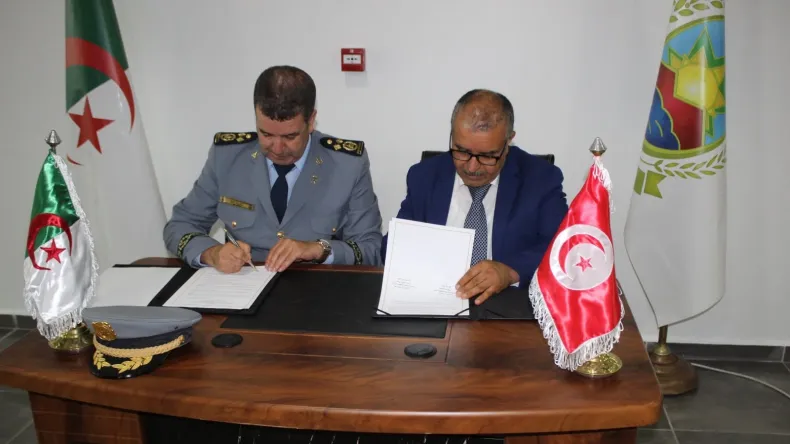
Regional directors of Algerian Customs and Tunisian Customs convened their fifth evaluation meeting this week to review progress on previously agreed recommendations. The gathering also aimed to assess the current level of coordination between the customs services of both countries. The discussions focused on bolstering joint efforts against smuggling and enhancing border security. This key meeting occurred on June 17, 2026, as both nations seek to strengthen their bilateral customs cooperation and address shared challenges along their extensive common border. The primary objective of this high-level assembly was to evaluate the concrete implementation of recommendations stemming from previous meetings, ensuring that strategic decisions translate into tangible actions on the ground.
Strengthening Field Cooperation
During the meeting, participants engaged in detailed discussions regarding methods to strengthen field cooperation between Algerian and Tunisian customs services. These discussions were specifically aimed at intensifying the exchange of expertise and critical information. A key focus was placed on developing more effective strategies for combating smuggling and commercial fraud across their shared borders. This enhanced collaboration seeks to streamline operations, improve the effectiveness of joint efforts against illicit activities, and ensure a more unified front against transnational crime. The commitment to sharing intelligence, operational procedures, and best practices is a key component of the strategy to disrupt smuggling networks and dismantle their operations. By fostering closer ties at an operational level, both customs administrations aim to create a more strong and responsive system for border management and enforcement.
Joint Committee Framework
The recent meeting was conducted under the established framework for implementing recommendations from two key bodies: the Joint Committee for Algerian-Tunisian Customs Cooperation and the Committee for Combating Land Smuggling and Commercial Fraud. This structured approach facilitates ongoing efforts to enhance collaboration and coordination between the customs administrations of Algeria and Tunisia. By operating within these established committees, the two nations aim to streamline decision-making processes and ensure that agreements translate into actionable measures on the ground. The committees provide a formal mechanism for addressing shared challenges related to border security and illicit trade, offering a consistent platform for dialogue and strategic planning. Their work underpins the strategic partnership between Algerian Customs and Tunisian Customs, focusing on a unified approach to regional customs enforcement and the protection of national interests. This framework is instrumental in ensuring continuity and effectiveness in their joint endeavors.
Economic Protection Goals
Both Algerian and Tunisian customs officials noted the continued importance of coordinating and cooperating to safeguard their respective national economies. This collaborative approach aims to effectively combat cross-border economic crimes, which pose a significant threat to financial stability and legitimate trade. The commitment reflects a shared understanding that strong customs cooperation is essential for protecting domestic markets and financial stability from illicit activities originating from or transiting through their borders. Both sides emphasized the critical nature of this ongoing customs coordination and cooperation to protect the national economy from the detrimental effects of smuggling and commercial fraud. This strategic alignment shows their dedication to fostering a secure economic environment for their citizens and businesses.
Future Coordination Efforts
Algerian and Tunisian customs authorities are expected to continue their collaborative efforts to enhance border security and combat illicit trade. The ongoing partnership aims to strengthen operational capacities and information sharing between the two nations, building on the progress made in previous meetings. Future coordination will likely focus on implementing new technologies, refining joint strategies to counter evolving smuggling tactics, and conducting joint training exercises to improve interoperability. This sustained cooperation is key for protecting the economic interests of both Algeria and Tunisia and ensuring regional stability. Officials from both countries have previously emphasized the importance of a unified approach to address shared challenges along their common border, recognizing that a coordinated response is far more effective than individual efforts.