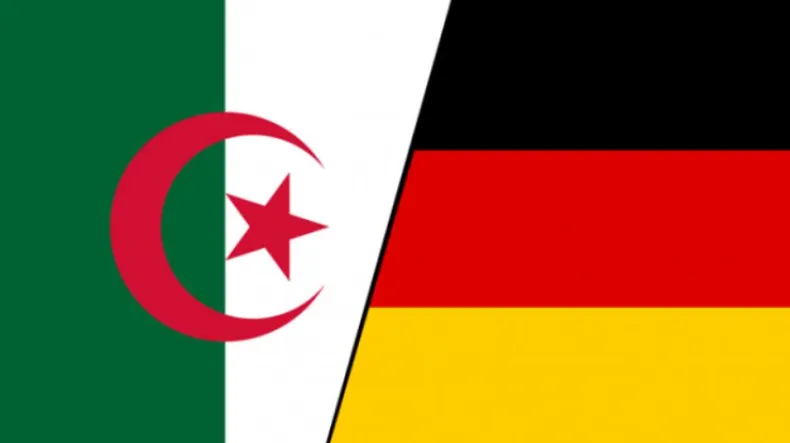
Algeria and Germany have signed an agreement to implement the "DigiEnR" project, focusing on the digital integration of renewable energy sources into Algeria's national electricity system. This initiative represents a significant step in bolstering energy cooperation between the two nations, noting a concerted effort to modernize Algeria's energy infrastructure. The project aims to enhance the efficiency and reliability of Algeria's power grid by leveraging digital technologies for renewable energy management. This strategic collaboration shows a shared commitment to sustainable energy development and contributes significantly to Algeria's broader energy transition goals, positioning the nation for a more sustainable future.
Renewable Energy Push
The Ministry of Energy and Renewable Energies announced the agreement for the DigiEnR project on Tuesday, June 16. The project focuses on the digital integration of renewable energy sources into Algeria's national electricity system, a key step for optimizing energy distribution and consumption. This initiative marks a collaboration between Algeria and the German Agency for International Cooperation (GIZ), bringing German expertise to Algerian energy challenges. The partnership aims to enhance the efficiency and reliability of Algeria's power grid, ensuring a stable and strong supply of electricity. The DigiEnR project will specifically utilize advanced digital technologies for managing renewable energy resources within the national system, allowing for better forecasting, control, and integration of diverse energy sources. This joint effort shows a commitment by both nations to sustainable energy development, contributing to Algeria's larger energy transition objectives and its long-term energy security. The digital integration component is expected to play a key role in maximizing the output and stability of renewable energy installations across the country.
Automotive Sector Growth
Six German industrial companies are scheduled to visit Algeria between June 28 and July 3 to explore investment opportunities within the Algerian automotive sector. This high-level delegation signifies growing German interest in Algeria's industrial potential. The visit aims to establish an “integrated industrial ecosystem” in the Algerian automotive sector, according to sources familiar with the initiative, which would encompass manufacturing, supply chains, and related services. This engagement notes a concerted effort to deepen industrial cooperation between the two countries, fostering technology transfer and job creation. The Algerian-German Chamber of Commerce and Industry (AHK Algeria) also announced a significant milestone, reporting that its membership reached 700 in 2026. This growth reflects increasing business interest and collaboration between Algerian and German enterprises, demonstrating the expanding economic ties and mutual benefits derived from these partnerships. The development of a strong automotive ecosystem is a key component of Algeria's industrial diversification strategy.
Strategic Partnership Vision
Algeria aims to establish itself as a "green energy exporter" by 2040, a strategic objective guiding its energy policies and investment decisions. This ambitious goal is supported by initiatives like the DigiEnR project and broader efforts to harness renewable resources. This ambition aligns with broader economic development goals, as cooperation between Algeria and Germany is framed by Algerian Decree 22-384. The decree sets a target for local integration within the Algerian economy at 30% by the end of 2026, encouraging domestic production and value creation within foreign investments. These initiatives show Algeria's commitment to diversifying its economy and strengthening its position in the renewable energy market, while also fostering domestic industrial growth through international partnerships. The focus on local content aims to ensure that foreign investments contribute directly to Algeria's manufacturing capabilities and economic self-sufficiency, reducing reliance on imports and building local expertise. This full approach reflects Algeria's vision for sustainable economic growth and energy leadership.
Expert Analysis
Publication of this report is dated June 17, 2026. This collaboration also includes plans for a green hydrogen facility in Arzew, which is projected to have a production capacity of 50 megawatts. This facility represents a significant step towards developing a hydrogen economy in Algeria, further solidifying its role as a potential green energy exporter. The development of green hydrogen, produced using renewable energy, is seen as a key element in the global energy transition and a high-value export commodity. The strategic location of Arzew, a major industrial and port city, makes it an ideal site for such an endeavor, facilitating both production and potential export. The planned capacity of 50 megawatts indicates a substantial initial investment in this promising technology, with potential for future expansion.