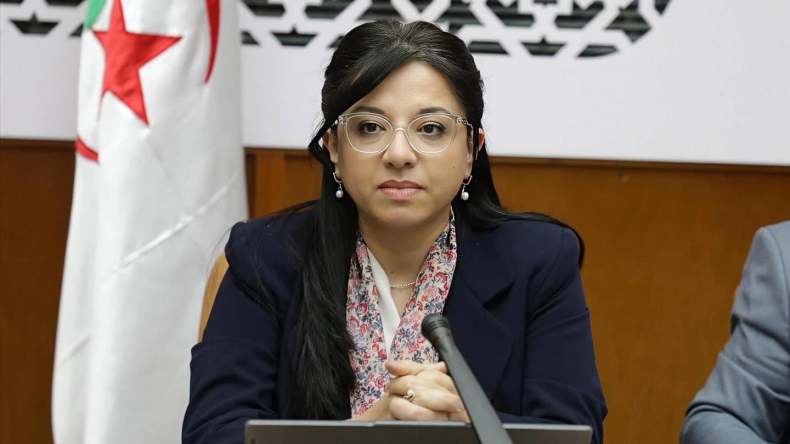
Algeria has earmarked 120 billion dinars to ensure the stability of commodity prices throughout the upcoming year. Minister of Internal Trade and National Market Regulation Amel Abdel Latif announced the financial measure on 22 October.
The planned expenditure is formally integrated into the 2027 draft finance law. Government officials intend for these funds to maintain market equilibrium and support national price control efforts during 2027. This budget allocation is part of the 2027 draft finance law, serving as a cornerstone of the legislative framework for the state’s economic management in the coming fiscal year.
Targeting Essential Commodity Prices
Authorities designated the 120 billion dinars specifically for price stabilization and profit margin control for sugar, soybean oil, and green coffee. These financial resources aim to regulate the retail and wholesale costs of these three essential commodities, preventing volatility for consumers. By focusing on these specific goods, the government seeks to mitigate the impact of market fluctuations on the daily expenses of the population. The 120 billion dinars are designated for price stabilization and profit margin control for sugar, soybean oil, and green coffee, ensuring that these items remain accessible within the national market.
The Ministry of Internal Trade and National Market Regulation will distribute the total budget across three main programs. These programs include market regulation and supply, competition promotion and consumer protection, and general administration. Officials designed this structure to ensure that the funds directly support the monitoring of supply chains and the enforcement of established price caps on the specified goods.
The ministry’s budget will be distributed across three main programs: market regulation and supply, competition promotion and consumer protection, and general administration. Each of these programs serves a distinct function in the government's broader strategy to oversee economic activity. The market regulation and supply program focuses on the technical aspects of maintaining adequate stock levels and preventing shortages that could drive prices upward. Meanwhile, the competition promotion and consumer protection program is tasked with ensuring that market actors adhere to the regulatory standards set by the Ministry of Internal Trade and National Market Regulation. This includes the oversight of profit margins at various stages of the supply chain, from the initial wholesale import or production phase down to the final retail transaction.
The general administration program provides the necessary oversight and operational support to ensure that the financial resources are utilized effectively and transparently. By segmenting the 120 billion dinars into these three specific categories, the government aims to create a full mechanism for price control. Minister of Internal Trade and National Market Regulation Amel Abdel Latif emphasized that this multifaceted approach is essential for the stability of the national market throughout 2027. The integration of these programs within the 2027 draft finance law shows the commitment of the state to shield consumers from sudden price spikes and to foster a predictable economic environment for the trade of sugar, soybean oil, and green coffee. Through these measures, the ministry intends to maintain a consistent supply of these essential commodities while curbing excessive profit margins that could otherwise destabilize the retail landscape.