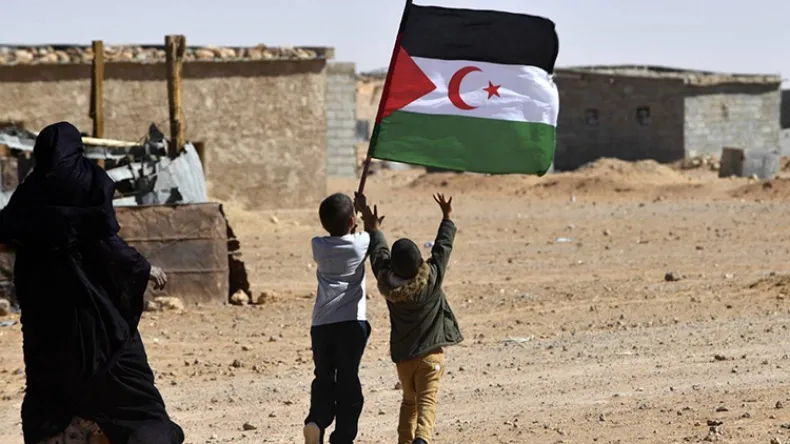
Several African nations have reiterated their unwavering support for the Sahrawi people's right to self-determination and independence. This reaffirmation came during discussions at the United Nations, where countries including South Africa, Namibia, and Zimbabwe emphasized their stance on Western Sahara. Their statements show a continued commitment to the Sahrawi people's aspirations for sovereignty, asserting that the issue remains a matter of decolonization that demands international attention and resolution.
South Africa's Call for Action
South Africa renewed its firm solidarity with the Sahrawi people before the UN Committee of 24 for Decolonization. The Algerian News Agency reported this development on Thursday, June 18. South Africa's statement showed its unwavering commitment to the Sahrawi cause, emphasizing the fundamental right of the Sahrawi people to determine their own future. This strong stance from a prominent African nation notes the continent's collective voice on this long-standing issue, advocating for the principles of self-determination enshrined in international law. The Committee of 24, formally known as the Special Committee on the Situation with regard to the Implementation of the Declaration on the Granting of Independence to Colonial Countries and Peoples, serves as a key forum for addressing such matters.
Namibia and Zimbabwe's Stance
Namibia affirmed that the issue of Western Sahara remains a matter of decolonization on the agenda of the Committee of 24 and the Fourth Committee, consistent with Resolution 1514. This resolution, adopted by the UN General Assembly in 1960, is a landmark declaration on the granting of independence to colonial countries and peoples, showing the international community's responsibility to ensure the end of colonialism in all its forms. Namibia recalled that the two parties to the conflict, Morocco and the Polisario Front, agreed in 1991 to organize a self-determination referendum. This agreement aimed to grant the Sahrawi people their right to self-determination, as stipulated in the UN-African settlement plan. The nation also noted the extension of the mandate for the United Nations Mission for the Referendum in Western Sahara (MINURSO) until October 2026. This extension signifies the continued, albeit prolonged, international effort to facilitate a peaceful and just resolution. The MINURSO mission was established to monitor the ceasefire and organize a referendum, a core component of the original settlement plan. Separately, Zimbabwe expressed its support and solidarity with all regions still under colonial rule, reinforcing the broader African commitment to decolonization.
UN Context and Future Steps
South Africa called on the United Nations to redouble efforts to achieve a just, lasting, and acceptable political solution ensuring the right to self-determination for the people of Western Sahara. This appeal notes the perceived urgency and the need for more proactive engagement from the international body. Similarly, Zimbabwe urged the United Nations to organize a free and fair referendum in Western Sahara, enabling the Sahrawi people to exercise their right to choose their future. This call directly addresses the core of the dispute, advocating for a democratic process to resolve the territory's status. The UN Secretary-General's 2025 report expressed deep concern regarding the situation in Western Sahara, showing ongoing international attention to the territory. This concern reflects the enduring humanitarian and political challenges in the region, which continue to affect the Sahrawi people. These calls from African nations highlight the continued push within the UN framework for a resolution to the Western Sahara question, emphasizing the need for concrete steps towards implementing the long-agreed principles of self-determination. The sustained focus by these African countries before the UN Committee of 24 for Decolonization demonstrates a unified regional stance on upholding international law and supporting the rights of the Sahrawi people.