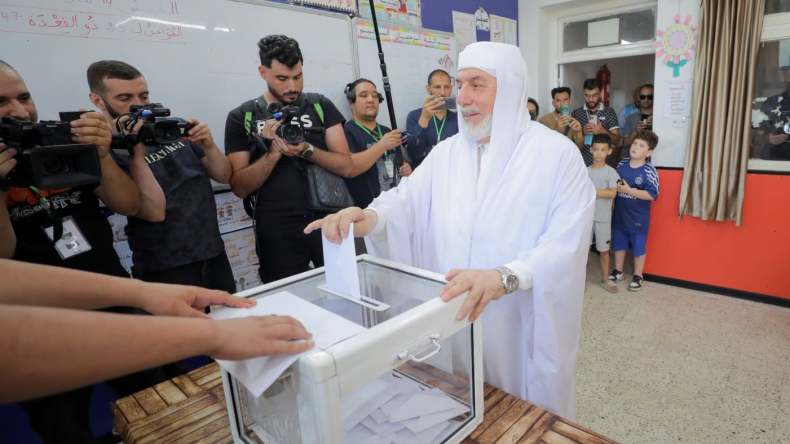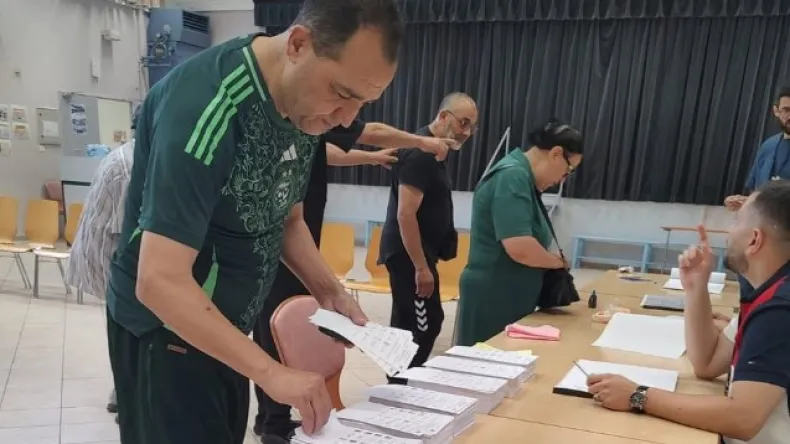
Polling stations for the 2026 legislative elections officially closed across all electoral districts inside the country on the designated election day, marking the end of the voting period. Following the conclusion of voting, the critical process of vote counting commenced immediately in these districts. The elections are a key event, as they will determine the composition of the legislative body, specifically the National People's Assembly. This phase is key for the democratic process, transitioning from casting ballots to tabulating the will of the electorate.
Election Day Details
On election day, polling hours were extended by one hour, with all polling stations ultimately closing at 8 PM. This significant decision to delay the closing of polling stations was made by the National Independent Authority for Elections. The Authority's decision was not arbitrary; it was based on numerous requests received from provincial coordinators across the country, who likely observed ongoing voter activity or logistical needs. As of 15:00 on election day, preliminary voter turnout figures indicated 11.24 percent participation inside the country. Concurrently, voter turnout outside the country reached 9.46 percent by the same afternoon deadline, reflecting participation from citizens residing abroad. The National Independent Authority for Elections did not immediately provide updated turnout figures for the extended voting period or for the final count, leaving the ultimate participation rate pending. The extension aimed to ensure that all eligible voters had the opportunity to cast their ballots, thereby enhancing the inclusivity of the electoral process.
Voter and Candidate Landscape
These elections saw more than 24 million eligible voters registered to participate, including a significant number of over 850,000 citizens residing abroad, showing the broad base of the electorate. The electoral process is set to determine the 407 deputies who will be elected to the National People's Assembly, shaping the future legislative direction of the nation. A substantial total of 793 electoral lists are competing in this national contest, collectively fielding 9,854 candidates across various electoral districts inside the country. This large number of candidates and lists notes the competitive nature of the elections. Of these competing lists, 613 belong to 32 distinct political parties, demonstrating the multi-party system at play. Additionally, one list represents an alliance of political entities, while 125 are independent lists, indicating a diverse field of contenders vying for legislative seats and offering voters a wide range of choices. The geographical spread of candidates across different electoral districts inside the country ensures that local representation is a key aspect of the election outcomes.
Context and Significance
The 2026 legislative elections are a cornerstone event in the country's political calendar, as they are specifically designed to determine the composition of the National People's Assembly. A total of 407 deputies are to be elected to this key legislative body. The sheer scale of the electoral exercise is evident in the numbers: over 24 million eligible voters, including more than 850,000 citizens residing abroad, were registered to participate in the electoral process, reflecting a full effort to include all segments of the population. A diverse array of 793 electoral lists competed across various electoral districts inside the country, fielding a total of 9,854 candidates. This extensive field of contenders included 613 lists from 32 distinct political parties, signaling strong party engagement, alongside one alliance list, and 125 independent lists, which provide an avenue for non-party affiliated representation.
Polling stations concluded their operations at 8 PM, following a one-hour extension that was a direct result of a decision by the National Independent Authority for Elections, made in response to requests from provincial coordinators. This extension aimed to maximize voter participation. Initial voter turnout figures provided by the Authority indicated 11.24 percent participation inside the country and 9.46 percent outside the country as of 3 PM on election day. However, the Authority did not release updated turnout numbers for the extended voting period or for the final count, meaning the complete picture of voter engagement is still pending. Immediately following the closure of polling stations across all electoral districts, the critical phase of vote counting commenced, setting the stage for the announcement of the election results that will shape the nation's legislative future.