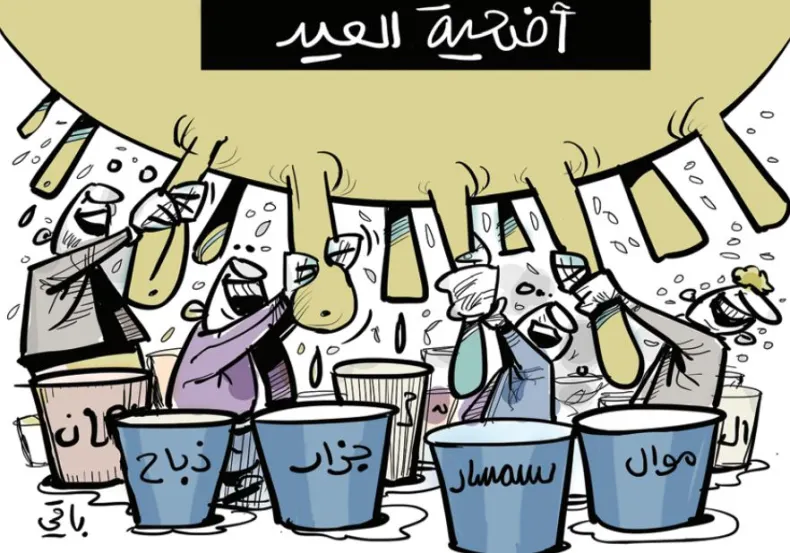
تشهد الجزائر الاستعدادات لعيد الأضحى المبارك، حيث يترقب المواطنون موسم الأضاحي الذي يعد مناسبة دينية واجتماعية ذات أهمية كبرى. ترتفع الأسعار بشكل ملحوظ في الأسواق الجزائرية مع اقتراب العيد، ما يثير مخاوف بشأن القدرة الشرائية للمواطنين. يتزامن هذا العام مع تحديات اقتصادية تؤثر على استعدادات الأسر لشراء الأضاحي، مما يضع ضغوطًا إضافية على الميزانيات المنزلية التي تسعى لتلبية متطلبات هذه المناسبة السنوية المهمة.
Traditions and Significance
The annual observance of Eid al-Adha in Algeria is deeply rooted in religious teachings and cultural heritage, emphasizing sacrifice, charity, and communal solidarity. This significant Islamic holiday commemorates Prophet Ibrahim's profound act of faith and obedience. Families typically gather to perform the ritual sacrifice of a lamb, goat, or cow, thereby honoring the divine command and reinforcing their spiritual commitment. A significant portion of the sacrificed meat is then distributed to the poor and needy, upholding the Islamic principle of aiding those less fortunate and ensuring that the blessings of the Eid reach all segments of society. The remainder is shared among family, friends, and neighbors, fostering strong social bonds and reinforcing community ties through shared meals and mutual support. These traditions show the spiritual and social dimensions of Eid al-Adha, extending beyond the mere act of sacrifice to encompass values of compassion, generosity, and interconnectedness throughout Algerian society. The preparations and celebrations for Eid al-Adha were widely reported on May 25, 2026, noting the widespread engagement of the Algerian populace in this cherished event.
Economic Aspects of Sacrifice
The economic dimensions of Eid al-Adha in Algeria are significant, with the market for sacrificial animals experiencing its busiest period of the year. Prices for livestock typically see a substantial increase as the holiday approaches, impacting household budgets across the country and requiring careful financial planning from families. The demand for sheep, goats, and cattle surges dramatically in the weeks leading up to the Eid, directly influencing agricultural producers and traders across various regions. This annual event, while deeply religious and cultural, also drives a considerable segment of the rural economy, from livestock rearing and feed production to transport logistics and sales at local markets. The expenditure on sacrifices represents a notable financial outlay for many Algerian families, particularly given broader economic conditions that may already be challenging. The livestock market becomes a central hub of activity, reflecting both the spiritual importance and the considerable economic impact of the holiday.
Community and Family Gatherings
Eid al-Adha in Algeria extends beyond religious rites to serve as a key occasion for strengthening family bonds and community ties. It is a time when geographical distances often diminish, as families typically gather from various regions to celebrate together, sharing festive meals, exchanging heartfelt greetings, and participating in the communal atmosphere of the holiday. The festivities often involve visiting relatives and friends, reinforcing social connections that are central to Algerian culture and identity. These gatherings are characterized by shared traditions, with generations coming together to observe the holiday, ensuring the continuity of customs and values passed down through time. The collective nature of the celebrations fosters a profound sense of unity and belonging among Algerians, noting the enduring social importance of this annual event in knitting together the fabric of society.
Regulatory Measures and Advice
Algerian authorities routinely issue guidelines and implement measures to ensure the safety and health aspects of Eid al-Adha sacrifices. These regulations often focus on rigorous veterinary inspections of livestock, ensuring that animals are free from disease before they are approved for sale and subsequent slaughter. Municipal services typically provide detailed advice on proper hygiene during the sacrifice and emphasize safe disposal of animal waste to maintain public health standards and prevent environmental contamination. Consumers are frequently reminded to purchase animals from authorized markets and licensed sellers who adhere to established health protocols, thereby minimizing risks. These concerted efforts aim to safeguard public well-being and ensure that religious observances are conducted in an organized, hygienic, and safe manner across الجزائر, allowing citizens to celebrate with peace of mind.