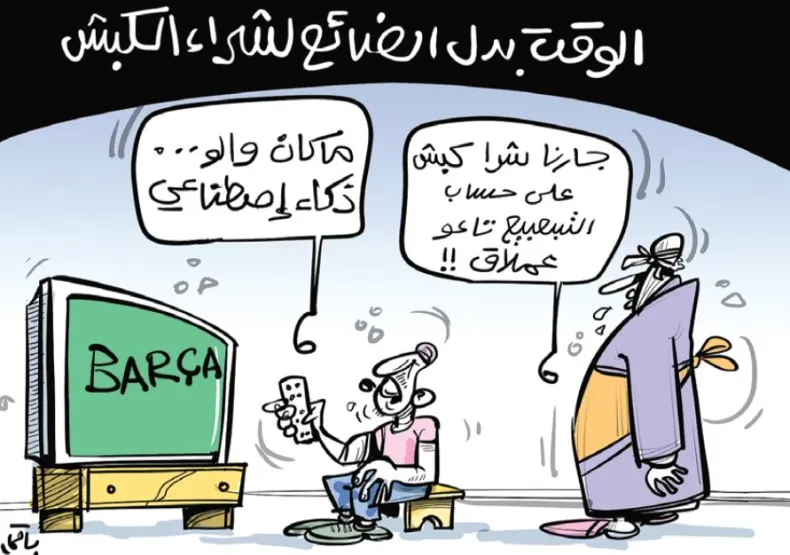
Offers for Eid al-Adha services are seeing a noticeable increase across various provinces as the holiday approaches. This surge in temporary employment opportunities attracts young individuals seeking to earn income during the festive period. Among those offering their services is Nasser, a 22-year-old from El-Milia in Setif province, who joins many others in providing assistance for the ritual slaughtering. The demand for such temporary labor rises significantly in the days leading up to Eid al-Adha, as families prepare for the traditional sacrifice. This trend notes a common practice where young people capitalize on seasonal needs to secure short-term work. These temporary jobs provide a key opportunity for young people to earn income, exclusively available during significant religious occasions such as Eid al-Adha. The noticeable increase in service offers across various provinces shows the widespread nature of this seasonal employment.
Services Offered and Fees
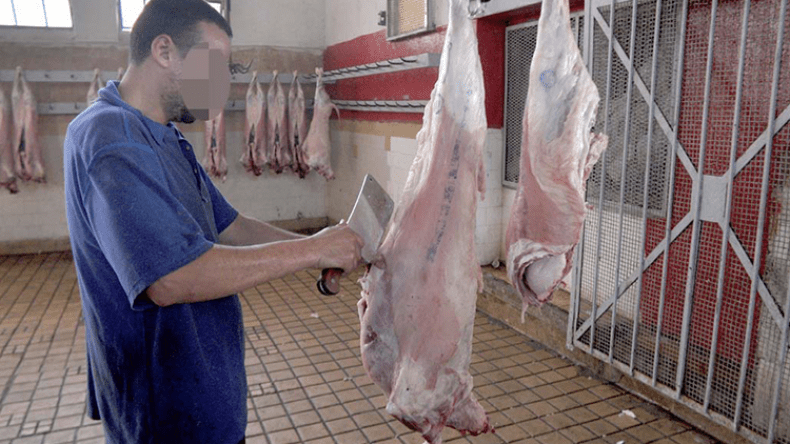
Nasser, a 22-year-old from El-Milia in Setif province, claims his work, which includes both slaughtering and skinning an animal, typically takes no more than a quarter of an hour. His fee for these services is usually left to the customer's discretion, but he specifies that it does not go below 2000 Algerian Dinars (DZD). Beyond these core services, some citizens offer assistance for free during the Eid period. Additionally, teenagers or children sometimes offer to wash animal intestines for a symbolic fee, which can reach up to 500 DZD. This range of services, from skilled labor to simpler tasks, ensures that various needs are met during the Eid al-Adha celebrations. The cost for cutting an animal into portions has also seen an increase, now standing at approximately 3000 DZD, with the final price varying based on the size of the animal. Young people engaging in these tasks contribute to the array of services available during the Eid al-Adha celebrations, reflecting the diverse economic activities spurred by the holiday.
The period immediately following the Eid prayer is particularly busy for those offering slaughtering services. Nasser, for instance, reported performing 11 slaughterings last season, completing them between the end of Eid prayer and 11 AM. This intense period of activity notes the efficiency and demand for these specialized services. Following the initial slaughtering and skinning, the process of cutting meat, known as 'al-jazaara', typically commences around 5 PM on the first day of Eid al-Adha and can extend until the morning of the second day. This extended timeframe for meat processing creates additional opportunities for labor, further illustrating the economic impact of the holiday.
Broader Commercial Activities
Beyond direct slaughtering services, a range of commercial activities emerges to support Eid al-Adha preparations. These include the sale of fodder for animals, charcoal for grilling, wood for cutting, and freezing bags for storing meat. These essential items become highly sought after as families prepare for the ritual sacrifice and subsequent feasting. Commercial spaces also stock items essential for those performing the sacrifice, such as grills, knives, ropes, and additional freezing bags. The demand for these goods typically rises in the days leading up to the holiday, reflecting the widespread participation in the ritual and the full needs of households.
In addition to traditional retailers, online platforms facilitate the sale of specialized equipment. On Facebook pages, some sellers offer tools designed to streamline the sacrifice process. These include manual hoists, which assist in lifting animals, and electric saws, used for cutting meat more efficiently. This digital marketplace provides access to more specific tools for the holiday's requirements, catering to both professional service providers and individuals performing the sacrifice themselves. The availability of such tools, both in physical stores and online, shows the commercial ecosystem that develops around Eid al-Adha.
Youth Perspective and Value
These temporary jobs offer young people a key opportunity to earn income, exclusively available during significant religious occasions such as Eid al-Adha. Nasser, for instance, reported performing 11 slaughterings last season, completing them between the end of Eid prayer and 11 AM. The process of cutting meat, known as 'al-jazaara', typically commences around 5 PM on the first day of Eid al-Adha and can extend until the morning of the second day. Some young individuals demonstrate considerable capacity, capable of cutting no fewer than 30 animals in a single night. This intensive work allows them to earn approximately nine million centimes over the two-day period. This substantial earning potential over a short duration makes these temporary roles highly attractive to young people, providing them with significant financial resources. The ability to secure such income during a specific festive period notes the economic importance of Eid al-Adha for many households and individuals.