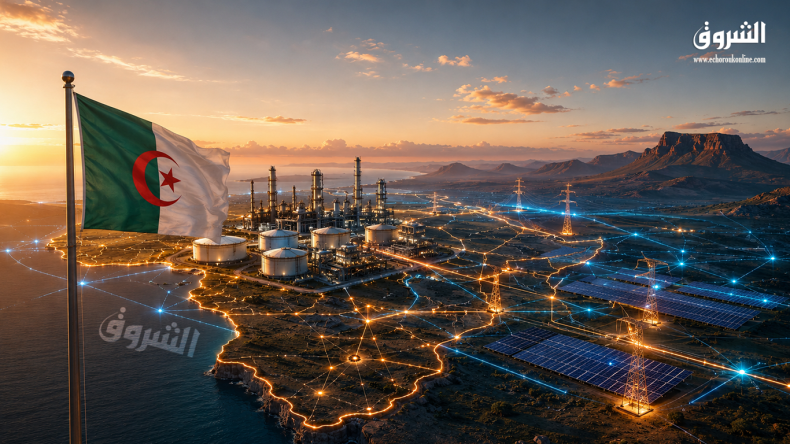
Algeria is actively expanding its energy influence across Africa, establishing a full cooperation network that includes key nations such as Egypt, Libya, Ivory Coast, Mozambique, Niger, Chad, and Mauritania. This strategic expansion is underpinned by a diverse portfolio of oil, gas, and electricity projects. These initiatives are specifically designed to foster long-term production and investment partnerships, moving beyond traditional trade relationships. Such efforts reflect Algeria's deliberate strategy to build an integrated energy influence circle within the continent, solidifying its role as a regional energy leader. Indeed, energy is being utilized as a key diplomatic and economic tool in Algeria's broader effort to enhance its regional presence and forge deeper ties with its African counterparts.
Key Oil and Gas Projects
Domestically, a significant contract has been signed for the development of the Hassi Bir Rekaiz field, with substantial investments approaching one billion dollars. This ambitious development plan for Hassi Bir Rekaiz includes the establishment of a central processing unit, projected to have a capacity of 31.5 thousand barrels per day. The project encompasses the construction of advanced facilities specifically designed for processing both gas and produced water, ensuring efficient and environmentally responsible operations. Beyond these vital domestic projects, Algeria and Egypt have formalized a memorandum of understanding for the purchase of crude oil, signaling a significant step towards expanding their bilateral energy ties and fostering mutual energy security.
Algeria has also demonstrated its commitment to regional energy supply by exporting a gasoline shipment to Libya, estimated at approximately 132,000 barrels. This particular delivery marks the second such gasoline shipment to Libya since 2013, indicating a key resumption and strengthening of supply lines between the two nations. On a broader regional scale, Algeria is actively cooperating with Niger on the ambitious Nigerian gas pipeline project, contributing to the development of critical trans-African energy infrastructure. An important agreement with Ivory Coast focuses on developing a wide array of projects across exploration, production, refining, and full value chain development within both the energy and mining sectors. Relations with Mauritania are also progressing significantly, with concerted efforts to reactivate cooperation in the hydrocarbons sector. This includes undertaking detailed studies on fuel imports and the strategic restarting of Naftal distribution stations across Mauritania, further cementing energy collaboration.
Electricity Infrastructure Development
Algeria is making substantial contributions to electricity infrastructure development across the continent. It is actively involved in a major power station project in Mozambique, which is designed to provide an impressive 1000 megawatts of capacity. This transformative project in Mozambique aims to fundamentally reshape the country's energy landscape, positioning it to become a regional electricity export hub capable of supplying power to six neighboring nations. Separately, Algeria is participating in a vital power station project in Chad, which will have an installed capacity of 40 megawatts, addressing critical energy needs in the country. Algerian state-owned utility Sonelgaz is also implementing a significant power station project in Niamey, Niger, as part of broader energy cooperation efforts. Beyond power generation, Sonelgaz is deeply involved in full programs for rehabilitating existing electrical grids, developing advanced digital systems for efficient power management, and providing key technical training within Niger to build local capacity. Additionally, Algeria has initiated key projects with Mauritania specifically focused on electricity interconnection and the development of strong high-voltage lines, enhancing grid stability and energy exchange. These diverse initiatives collectively show Algeria's expanding and key role in regional power infrastructure development and energy integration.
Strategic Partnerships and Vision
The strategic vision for Algeria's expanding influence is clearly demonstrated through its partnerships. Algeria and Egypt, for instance, are in the process of establishing a joint venture company specifically aimed at implementing various energy projects across the African continent. This collaborative approach notes a shared commitment to regional energy development. Algeria signed a full cooperation agreement with Ivory Coast to foster deeper collaboration across the entire energy sector, encompassing a wide range of activities. A recent shipment of Liquefied Petroleum Gas (LPG) was exported from Algeria to Chad, further illustrating the practical and impactful nature of Algeria's regional engagement and its commitment to meeting energy demands. This broader strategy involves not only the export of traditional oil and gas but also the export of Algerian expertise, specialized energy equipment, and essential services, complementing its conventional energy trade. This full approach shows Algeria's unwavering commitment to developing an integrated energy influence across the continent, moving decisively beyond conventional trade to establish deeper, more sustainable partnerships and critical infrastructure development. This strategy relies heavily on exporting its accumulated expertise, advanced equipment, and specialized services, alongside its traditional oil and gas exports.