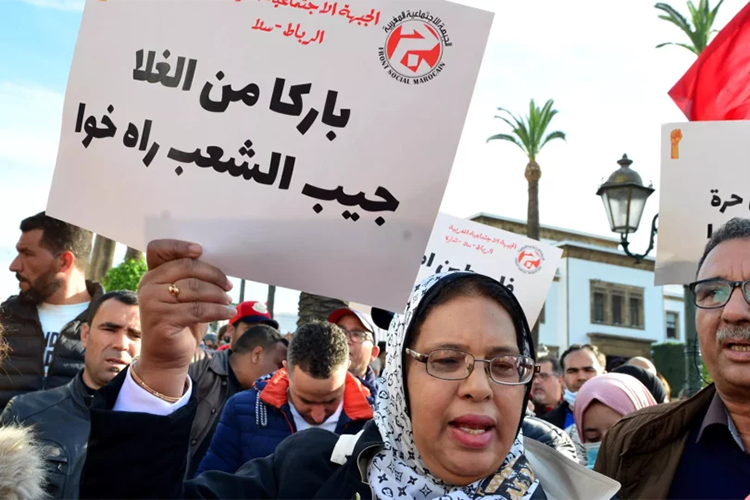
Morocco's economy is experiencing pronounced structural imbalances despite its solid macroeconomic foundations, according to a recent World Bank report. The World Bank stated that these imbalances highlight persistent weaknesses in the nation’s capacity to generate jobs and adequately support its workforce. This assessment shows a critical challenge for the North African nation, which possesses inherent strengths but struggles with underlying structural issues. The report emphasized that without decisive and coordinated structural reforms, the employment gap will likely widen, and economic growth will remain precarious. Such reforms are deemed essential to foster a more dynamic and inclusive economy capable of sustaining long-term development. The World Bank showed that the persistence of negative economic indicators demonstrates the fragility of the Moroccan economy, necessitating urgent policy interventions.
Deepening Job Deficit
Morocco has grappled with a significant job deficit, averaging 215,000 jobs annually between 2000 and 2024, according to a recent World Bank report. This substantial figure points to a chronic inability of the economy to create enough employment opportunities for its growing labor force. This deficit has intensified in recent years, with the annual shortfall surging to 370,000 jobs per year between 2020 and 2024. The acceleration of this trend in the more recent period signals a deepening crisis in the labor market. The World Bank noted that this growing deficit occurs despite an expanding working-age population, indicating that demographic dividends are not being fully harnessed.
The working-age population in Morocco increased by 47% over the period from 2000 to 2024, representing a considerable expansion of potential human capital. However, the number of employed individuals rose by a much smaller margin of only 20.7% during the same timeframe, illustrating a significant disconnect between population growth and job creation. This disparity contributed to a 19.7% increase in the unemployment rate between 2000 and 2024, reflecting the growing difficulty for job seekers to find work. The report noted a significant decline in the female activity rate, which dropped from 28% in 2000 to just 19% by 2024. This substantial decrease in women's participation in the labor force represents a considerable loss of economic potential and exacerbates the overall employment challenge. The World Bank's analysis reveals a labor market under severe strain, with insufficient job creation failing to keep pace with demographic shifts and a notable withdrawal of women from economic activity.
Growth Model and Productivity Gaps
Morocco's economic growth model is characterized by substantial investment levels, which account for nearly 30% of its Gross Domestic Product (GDP). This high rate of investment typically suggests an economy focused on expanding its productive capacity and infrastructure. Despite this high investment, the contribution of total factor productivity (TFP) to annual growth has remained limited, not exceeding 0.8 percentage points. This indicates a potential inefficiency in how these investments translate into broader economic output and innovation, suggesting that capital is not being utilized as effectively as it could be to drive sustainable growth. The modest TFP contribution implies that improvements in technology, efficiency, and human capital are not sufficiently boosting overall economic performance.
A significant portion of these investments originates from the public sector. The public sector contributes approximately 50% to 66% of Morocco's total investments, suggesting a heavy reliance on state-led capital expenditure to drive economic activity. This structure points to the government playing a central role in capital formation within the economy, often filling gaps where private investment may be insufficient or hesitant. While public investment can be key for infrastructure development and strategic industries, its effectiveness is critical for overall economic health.
However, the World Bank report also identified challenges regarding market competition. Approximately 40% of industries in Morocco operate within a low-competitive environment. Such conditions can hinder innovation, reduce efficiency, and potentially limit the overall productivity gains that are key for sustained economic development. A lack of strong competition can lead to market distortions, higher prices, and reduced incentives for businesses to invest in research and development or improve their processes. This situation further complicates the translation of high investment levels into meaningful productivity improvements and broader economic benefits.
Structural Weaknesses and Reform Imperatives
Morocco's overall activity rate experienced a significant decline, falling from 53.1% in 2000 to 43.5% in 2024. This considerable drop indicates a shrinking proportion of the working-age population actively participating in the labor market, either employed or seeking employment. This trend points to underlying structural issues that discourage participation and reduce the overall productive capacity of the economy. The World Bank report also detailed that 94% of businesses in Morocco are categorized as very small enterprises (VSEs), indicating a fragmented corporate landscape dominated by micro-businesses. While VSEs are vital for local economies, their prevalence suggests potential challenges in scaling up, accessing finance, and achieving economies of scale necessary for significant job creation and innovation.
The report revealed that over two-thirds of the Moroccan workforce operates within the informal sector, noting challenges in formal job creation and social protection. The informal sector, while providing livelihoods, often lacks job security, benefits, and adherence to labor regulations, posing significant hurdles to inclusive economic development and social welfare. The World Bank noted a mismatch between education and employment, with approximately 43% of university graduates holding positions that do not fully utilize their qualifications. This significant percentage indicates a structural problem where the educational system may not be adequately aligned with the needs of the labor market, leading to underemployment and wasted human capital.
Addressing these structural imbalances necessitates full reforms, including measures to enhance market competition, improve the governance of public investments, support productive enterprises, and expand the involvement of women and youth in the labour market, according to the World Bank. These reforms are critical to reverse the negative trends observed in employment, productivity, and labor force participation. By fostering a more competitive environment, ensuring efficient public spending, nurturing dynamic businesses, and promoting inclusive labor policies, Morocco can build a more resilient and equitable economy capable of generating sufficient jobs and supporting its workforce effectively for the long term.