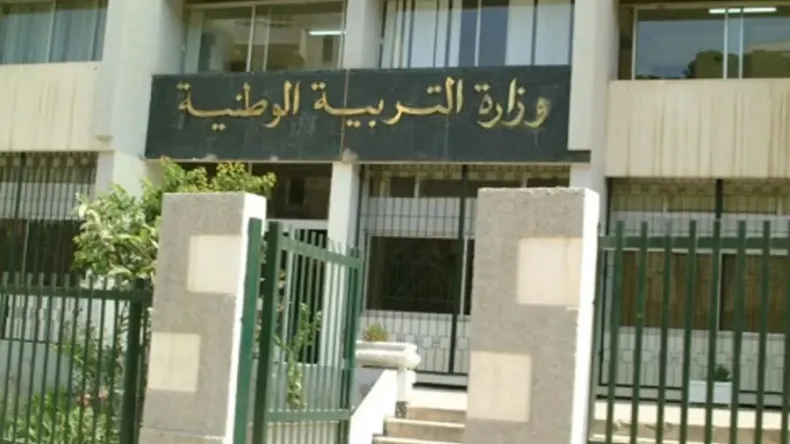
School celebrations in Algeria represent a vital component of the educational dynamic, integrating pedagogical, social, cultural, and national dimensions within the system. These events are viewed as parallel educational spaces, instrumental in shaping the learner's personality, fostering their civic sense, and strengthening their national and religious identity. This full approach ensures that celebrations are not merely recreational but are deeply embedded in the educational philosophy, contributing significantly to the holistic development of students. The organization of celebrations in Algerian educational institutions is governed by specific legal and regulatory texts, with National Education Orientation Law 08-04 serving as the primary reference for these activities. This foundational law provides the overarching framework for all educational practices, including extracurricular engagements. Such events must adhere to controls that ensure alignment with educational programs and prevent any negative impact on instructional time. These controls are key for maintaining academic rigor while allowing for enriching celebratory activities. Celebrations are expected to respect societal and religious values, reinforcing national identity without extravagance or ostentation. This principle guides the nature and scope of all celebratory events, ensuring they align with the broader cultural and ethical fabric of Algerian society.
Educational and Developmental Impact
Celebrations in Algerian schools enable students to express themselves and cultivate talents across various fields, including theater, singing, public speaking, and drawing, according to educational insights. These activities provide invaluable platforms for students to explore their creative and intellectual capacities beyond the traditional classroom setting. These activities are reported to foster teamwork and enhance communication and cooperation skills among students. By working together on projects and performances, students learn the importance of collaboration and develop essential interpersonal skills. Celebrations are also said to bridge the gap between abstract concepts and reality, transforming students from passive recipients of information into active participants in their learning process. This hands-on engagement makes learning more dynamic and memorable, allowing students to apply theoretical knowledge in practical, meaningful contexts.
A significant role of these events is the reinforcement of national and religious values, particularly during occasions such as Independence Day, Flag Day, or the Prophet's Birthday. These specific national and religious holidays serve as focal points for celebrations, offering opportunities to reflect on and honor Algerian heritage and spiritual traditions. Such celebrations contribute to instilling moral principles like respect for others, tolerance, and discipline within the student body. Through participation in these events, students internalize these values, which are seen as fundamental for responsible citizenship and personal growth. For maximum educational impact, celebrations are advised to be closely linked to the institution's educational projects and integrated into modern pedagogical approaches, including the competency-based approach. This strategic integration ensures that celebrations are not isolated events but are carefully planned components of the curriculum, designed to achieve specific learning outcomes and reinforce competencies. This linkage helps to ensure that every celebratory activity contributes meaningfully to the overall educational objectives of the school and the development of the student.
Legal and Regulatory Framework
Ministerial circulars issued by the Ministry of National Education show the significance of cultural and sports activities, positioning them as integral components of the educational process. These official directives emphasize that these activities are not mere add-ons but are essential for a well-rounded education. These directives aim to ensure that extracurricular engagements are not merely supplementary but are woven into the broader pedagogical framework, reflecting a full vision of student development. The Ministry’s emphasis ensures that schools prioritize these activities, recognizing their role in fostering creativity, physical well-being, and social skills.
School cultural and sports associations further establish a legal framework for the organization of various celebrations and events. These associations are designed to foster student initiative and responsibility, providing a structured environment for planning and executing activities within educational institutions. Their role is to facilitate student engagement while ensuring adherence to established guidelines and educational objectives. These associations empower students to take ownership of their activities, developing leadership and organizational skills in the process. They also serve as a key interface between students, teachers, and administration, ensuring that all activities are well-managed and align with school policies.
A general guideline emphasizing moderation in all activities, including celebrations, is rooted in religious texts. The Quranic verse, "And eat and drink, but do not waste," (وَكُلُوا وَاشْرَبُوا وَلَا تُسْرِفُوا) is cited as a principle guiding against extravagance. This principle is intended to ensure that celebrations remain purposeful and avoid ostentation, aligning with broader societal and religious values within the Algerian context. This guidance promotes a balanced approach, encouraging thoughtful celebration that is both meaningful and respectful of resources, reflecting an important ethical dimension in the practical organization of these events. This religious injunction serves as a moral compass, ensuring that celebrations remain grounded in humility and purpose rather than becoming displays of excessive spending or vanity.
Challenges and Proposed Solutions
Challenges in the practical execution of celebrations within Algerian education include an overemphasis on form rather than educational substance, weak pedagogical supervision, and a lack of coordination, according to reports. These issues can detract from the potential educational benefits of such events, reducing them to mere formalities. Instances have been noted where legal controls are exceeded or activities inconsistent with established educational values are organized, noting the need for stricter oversight and adherence to guidelines. Such deviations can undermine the integrity and purpose of school celebrations, potentially leading to activities that do not serve the intended developmental or national identity goals.
One proposed solution to these issues involves continuous training for teachers and administrators in effectively activating school life. This training aims to enhance their capacity to manage and integrate celebrations meaningfully, ensuring they align with pedagogical objectives and regulatory frameworks. By equipping educators with the necessary skills, the quality and impact of celebrations can be significantly improved. Activating the role of celebrations requires a full vision that integrates both educational and legal aspects, necessitating the involvement of all relevant stakeholders. This includes not only teachers and administrators but also parents, community leaders, and students themselves, fostering a collaborative environment for planning and execution. Such a holistic approach is essential to address the identified challenges and maximize the positive impact of celebrations on student development and national identity.
Broader Perspectives
The concept of education extending beyond mere preparation for future existence is noted by John Dewey, who stated, "Education is not preparation for life, education is life itself." This perspective aligns with the broader understanding of educational celebrations in Algeria as integral to the learning process, where experiences within school are seen as formative life lessons rather than just precursors to adult life. This philosophical underpinning reinforces the idea that school activities, including celebrations, are vital components of a student's ongoing development. Sheikh Abdelhamid Ben Badis further emphasized the profound impact of education on societal development, remarking, "Education is what forms nations, and elevates or degrades them." These viewpoints show the significant role education, including its celebratory frameworks, plays in shaping national identity and societal values within the Algerian context, recognizing its power to build and strengthen the nation through its youth. These profound statements from influential thinkers provide a strong conceptual framework for understanding the deep importance attributed to education and its various facets, including celebratory events, in Algerian society.