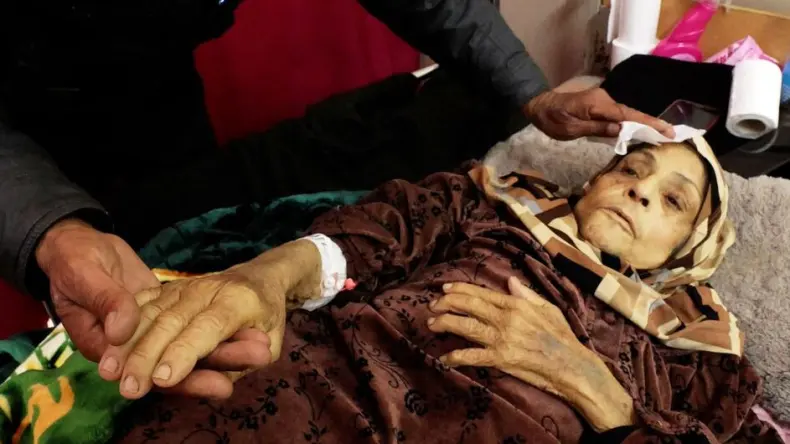
The humanitarian situation in Gaza is deteriorating, primarily due to the obstruction of essential medical supplies entering the besieged Palestinian territory. This worsening crisis has prompted international concern regarding the health and well-being of the region's population, as the vital flow of aid is being severely hampered. Access to critical medicines and equipment for medical facilities in Gaza has become increasingly limited, exacerbating existing challenges within the healthcare system. The shortages are impacting the ability of hospitals and clinics to provide adequate care, raising fears among humanitarian organizations about a potential collapse of services across the territory. This dire situation is unfolding amidst continued violence against the sector's residents, further complicating efforts to deliver aid and maintain essential health services.
Gaza's Health Sector Under Strain
The health sector in Gaza faces compounding pressures amid ongoing violence against residents, a proliferation of rodents, and disease outbreaks among displaced populations. The deteriorating conditions have further strained already fragile medical services, pushing them to their breaking point. These multifaceted challenges create an environment where healthcare providers struggle to cope with the overwhelming demand for care while simultaneously facing immense operational difficulties. The lack of sanitation and crowded conditions in displacement camps contribute significantly to the spread of infectious diseases, adding to the burden on an already overstretched system.
Around 22 attacks have targeted the health sector in Gaza this year, according to reports. These incidents exacerbate challenges for healthcare providers operating in an environment marked by persistent shortages and overwhelmed facilities. Such attacks not only damage infrastructure but also endanger medical personnel and patients, further reducing the capacity of the health system. The combined impact of violence, unsanitary conditions, and disease spread places immense pressure on the remaining infrastructure and personnel, making it increasingly difficult to provide even basic medical assistance.
Critical Supplies Blocked
A severe and critical shortage of medical supplies is a primary factor contributing to medical facilities ceasing operations in Gaza. The scarcity impacts hospitals and clinics, hindering their ability to provide essential care to the population. This ongoing deficit in critical medical goods has been a significant challenge for the besieged Palestinian territory's healthcare system, making it nearly impossible to treat the growing number of patients effectively. Vital supplies and equipment continue to be held outside Gaza, preventing their distribution to medical facilities within the territory, where they are desperately needed.
Further exacerbating the situation, a prefabricated hospital from Jordan has been awaiting permission to enter Gaza for several months. The delay prevents the deployment of additional medical infrastructure that could potentially alleviate some of the pressure on the overwhelmed health sector. The prolonged wait for entry clearance means vital resources remain inaccessible, despite the urgent need for expanded medical capacity within Gaza. This obstruction of essential medical infrastructure directly impacts the ability to scale up healthcare services in response to the escalating crisis.
WHO Representative's Account
Vital supplies and equipment continue to be held outside Gaza, preventing their distribution to medical facilities within the territory. Renée van de Weert, a representative for the World Health Organization (WHO) in Palestine, showed the critical nature of these delays. The ongoing blockades mean essential resources are not reaching those in need, further straining an already overwhelmed healthcare system. This prolonged obstruction directly impacts the operational capacity of hospitals and clinics throughout Gaza, severely limiting their ability to function. As a result of these severe shortages and other challenges, half of the hospitals in Gaza are currently barely operating partially. This limited functionality significantly compromises the ability to deliver full medical care to the population, leaving countless individuals without access to necessary treatment. The WHO emphasizes that the continued blockage of these vital shipments is a major contributor to the deepening humanitarian crisis.
Urgent Need for Access
The World Health Organization (WHO) continues to call for immediate, unimpeded access for humanitarian aid into Gaza. The organization emphasizes that essential medical supplies must be allowed to reach the besieged territory without delay to prevent further deterioration of health services and avert a larger humanitarian catastrophe. This includes not only medicines and equipment but also the necessary personnel and infrastructure to support the struggling healthcare system. The international community is urged to facilitate the safe and swift passage of all humanitarian assistance to address the escalating health crisis effectively.