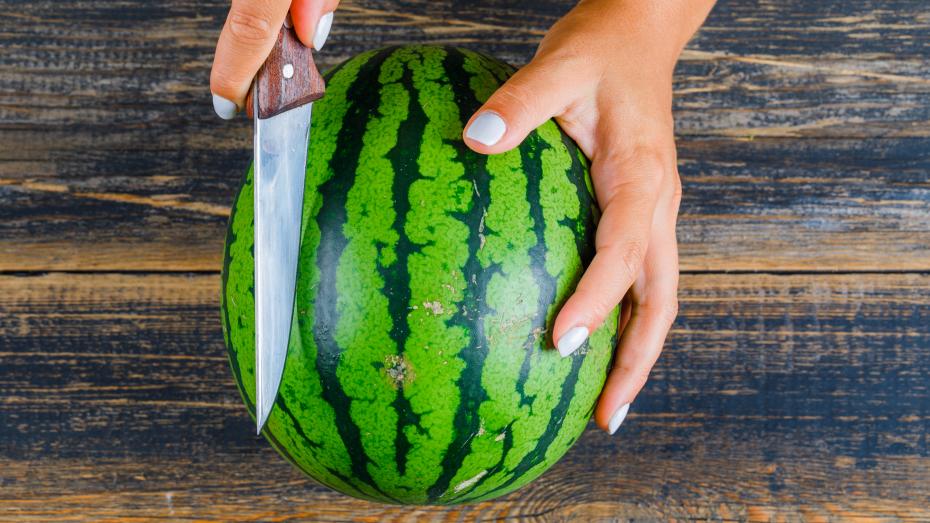
Watermelon rind, specifically the white portion between the red flesh and the green peel, has emerged as a subject of nutritional interest for its potential health benefits. Researchers are increasingly focusing on this edible part of the rind due to its content of amino acids and antioxidants. The white layer is reported to contain important nutritional compounds that may support various bodily functions, including heart health, circulation, and the digestive system. This attention notes the rind's unexpected value as a source of beneficial components, moving it from a discarded byproduct to a recognized superfood.
Heart Health Boosters
The rind contains the amino acid L-Citrulline, which is involved in the production of nitric oxide in the body, a compound that helps to widen blood vessels and improve overall blood flow. Nitric oxide plays a key role in maintaining vascular health, helping to regulate blood pressure and ensure efficient nutrient and oxygen delivery throughout the body. A medical study indicated watermelon rind contains significant amounts of citrulline, potentially in higher concentrations than the red flesh when measured on a dry weight basis. This suggests the white part of the fruit could be a more potent source of the amino acid, offering a concentrated dose of this beneficial compound.
Recent research suggests that watermelon rind extracts rich in citrulline may help improve blood vessel function. This improved function could enhance oxygen delivery to various tissues throughout the body, supporting overall cardiovascular performance. Another study indicated that watermelon rind products might positively affect blood vessel health indicators in healthy adults, suggesting a broader application for maintaining circulatory wellness. These findings point to the rind's potential role in supporting cardiovascular well-being through its unique nutritional profile, offering a natural approach to promoting heart health. The presence of citrulline in the rind is a key factor in its emerging reputation as a heart-healthy food component.
Digestive and Antioxidant Power
Watermelon rind is recognized as a good source of dietary fiber, particularly insoluble fiber, which can improve bowel movement, reduce constipation, and promote overall digestive health. Insoluble fiber adds bulk to stool, facilitating its passage through the digestive system and helping to maintain regularity. Consuming fiber-rich foods is also linked to feeling full for longer periods, a factor that can assist in weight management when integrated into a balanced diet. This sustained feeling of satiety can help reduce overall calorie intake, contributing to healthy weight maintenance.
Beyond its fibrous content, the rind contains several essential nutrients, including Vitamin C, Vitamin B6, potassium, and magnesium. Vitamin C is a powerful antioxidant and key for immune function, while Vitamin B6 plays a role in metabolism and neurological health. Potassium is vital for maintaining fluid balance and blood pressure, and magnesium is involved in over 300 biochemical reactions in the body. Additionally, it provides various antioxidant plant compounds. These compounds are known to help combat oxidative stress, which research associates with both the aging process and the development of several chronic diseases. By neutralizing free radicals, these antioxidants help protect cells from damage, contributing to long-term health and disease prevention. The combination of vitamins, minerals, and antioxidants makes the rind a nutrient-dense addition to any diet.
Preparation and Consumption Tips
The edible part of the rind is the white layer between the red flesh and the hard green peel. The outer green peel of the watermelon rind is very tough and is usually removed before consumption. It is recommended to wash the watermelon thoroughly from the outside before cutting it, especially if the rind will be used in food, to remove dirt and potential pesticide residues. Once cleaned, the white rind can be prepared in various ways. The taste of the white part closely resembles that of cucumber, making it a versatile ingredient for both sweet and savory dishes.
Consumers are advised to start with moderate amounts of watermelon rind, as its high fiber content may cause bloating in individuals unaccustomed to such foods. Gradually increasing the intake allows the digestive system to adjust to the increased fiber. The rind can be pickled, grated into salads, blended into smoothies, or even stir-fried. Pickling is a popular method that softens the rind and infuses it with flavor, while grating it raw into salads adds a refreshing crunch. Blending it into smoothies is an easy way to incorporate its nutrients without altering the texture of the main drink significantly. Integrating the rind into meals can be done gradually to allow the digestive system to adjust, ensuring a comfortable and beneficial experience.
Reducing Food Waste
Studies suggest that watermelon rinds and outer layers contain bioactive compounds. These compounds can be utilized to develop new, healthy food products, thereby preventing them from being discarded as organic waste. This approach could significantly contribute to reducing food waste, aligning with global efforts towards sustainability and resource efficiency. By recognizing the nutritional value and versatility of watermelon rind, consumers and food industries alike can embrace practices that minimize waste and maximize the utility of this often-overlooked part of the fruit. This shift not only benefits individual health but also supports a more sustainable food system.