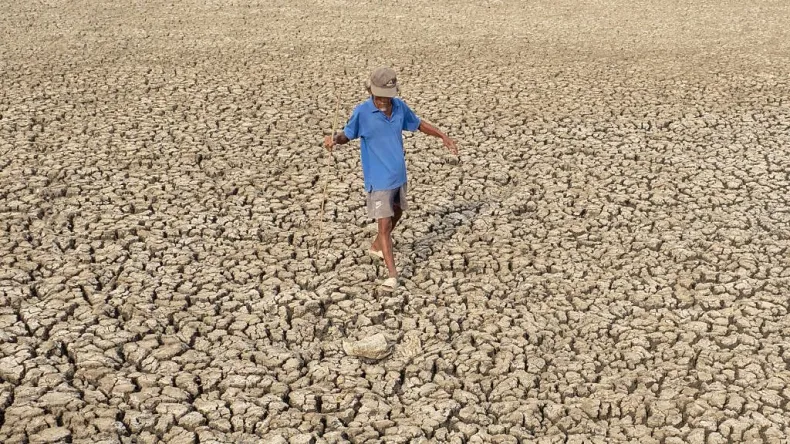
The United Nations issued a warning on 21 October in Geneva regarding the current El Niño phenomenon. Officials stated that this climate event could threaten 50 million people with hunger. The United Nations warned that the current El Niño phenomenon could threaten 50 million people with hunger. Celeste Saulo noted the potential scale of the impact on food security across affected regions. The organization continues to monitor the situation as the weather pattern develops. This monitoring process involves the continuous collection of data points to assess the potential for humanitarian crises in areas where agricultural yields are expected to decline due to shifting weather conditions.
Exceeding Historical Meteorological Records
The World Meteorological Organization reported on 21 October 2026 that the current El Niño phenomenon is already exceeding the range of monitoring indicators used over the past 4 decades. The World Meteorological Organization stated that the current El Niño phenomenon is already exceeding the range of monitoring indicators used over the past 4 decades. Scientists at the organization identified that the intensity of this weather event has surpassed historical data points recorded since the mid-1980s. These indicators track ocean temperatures and atmospheric pressure patterns that define the oscillation's strength and reach. By analyzing these specific atmospheric and oceanic variables, researchers can better understand the magnitude of the shifts currently being observed.
Projections from the World Meteorological Organization indicate that the El Niño phenomenon will continue to intensify in the coming months. The World Meteorological Organization expects the El Niño phenomenon to reach its peak near the end of 2026. Forecasters expect the event to reach its peak near the end of 2026. This timeline suggests that the most significant impacts on global weather patterns will occur as the calendar year concludes. As the peak approaches, the organization is focusing on the potential for increased volatility in rainfall patterns and temperatures across various continents.
Celeste Saulo, Secretary-General of the World Meteorological Organization, addressed the potential consequences of these projections during a press conference in Geneva on Wednesday, October 21, 2026. She called for urgent and proactive action to protect vulnerable communities. The Secretary-General emphasized that early intervention remains necessary to mitigate the risks posed by the extreme meteorological conditions linked to the climate pattern. Her call for action focuses on strengthening resilience in regions where food security and infrastructure face significant disruption due to the shift in global climate cycles. The organization maintains that preparedness is essential to reducing the impact on populations that rely on stable environmental conditions for their livelihoods and basic needs. By coordinating with international partners, the organization seeks to ensure that resources are allocated to the areas projected to experience the most severe disruptions as the phenomenon reaches its forecasted peak.