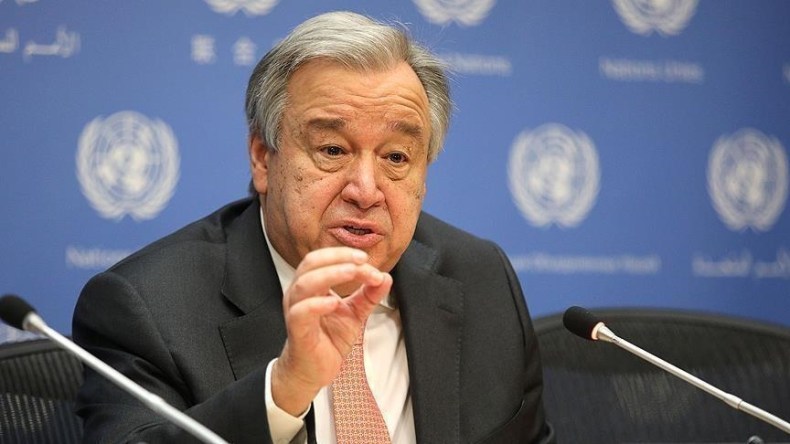
UN Secretary-General António Guterres on Thursday expressed deep concern over the ongoing escalation in the Middle East, cautioning against a full resumption of conflict. Guterres stated, "الضربات التي شنّتها الولايات المتحدة على إيران. وتلك التي وجّهتها إيران إلى دول مجاورة، ليست أطرافا في الصراع," emphasizing the need for "التنفيذ الكامل لوقف إطلاق النار، وتجنب أي تدهور إضافي يمكن أن يؤدي إلى استئناف كامل للصراع. مع ما يترتب على ذلك من عواقب وخيمة على المنطقة والعالم، خاصة على الدول الأكثر ضعفا." He also noted the "ضرورة احترام ممارسة الحقوق والحريات الملاحية، وفقا للقانون الدولي" and called for "اتخاذ كافة الاحتياطات الممكنة لحماية المدنيين." Guterres concluded that "السبيل الوحيد للمضي قدما، هو الحوار والمفاوضات الجادة. من أجل التوصّل إلى اتفاق سلمي شامل ودائم، يعزّز السلم والأمن الإقليميين والدوليين." The UN Secretary-General's statement on Thursday showed the gravity of the situation.
Call for De-escalation
United Nations Secretary-General António Guterres, in a statement issued by spokesperson Stéphane Dujarric, condemned the United States' strikes on Iran and Iran's strikes on neighboring countries not involved in the conflict. Guterres stressed the urgency of preventing further escalation in the volatile region. He reiterated that serious negotiations and dialogue represent the sole path forward to achieve a full and lasting peace agreement. Such an agreement, Guterres affirmed, would promote both regional and international peace and security. The UN chief's remarks show ongoing concerns about the potential for wider conflict. He consistently urged for an end to the current trajectory of rising tensions.
Protecting Civilians and Navigation
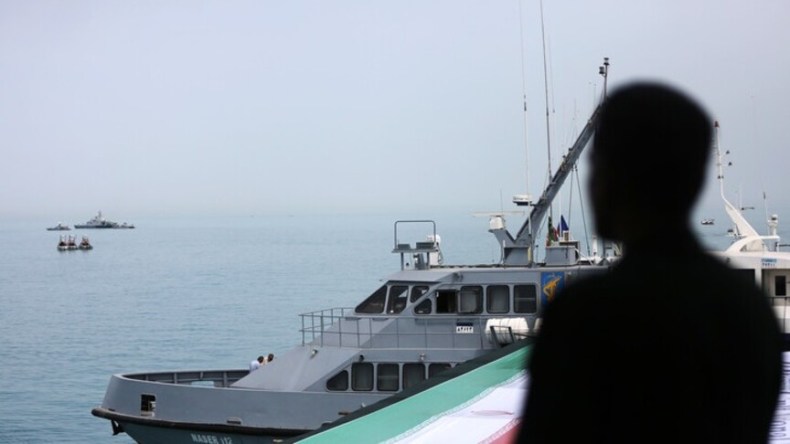
United Nations Secretary-General António Guterres stressed the necessity of respecting maritime navigation rights and freedoms, in accordance with international law. He called for all possible precautions to be taken to protect civilians in the escalating situation. The Secretary-General's comments showed the critical importance of upholding international norms amidst rising tensions. His call for civilian protection notes the humanitarian concerns associated with the current regional developments. Guterres emphasized that adherence to international law is critical to prevent further destabilization and ensure the safety of populations. He reiterated the UN's commitment to protecting those most vulnerable during times of conflict.
Path to Lasting Peace
United Nations Secretary-General António Guterres urged a return to the full implementation of a ceasefire. He emphasized the importance of avoiding any further deterioration in the situation that could lead to a complete resumption of conflict. Guterres warned that such a development would carry dire consequences for the Middle East region and the world, particularly affecting vulnerable nations. His remarks showed the necessity of de-escalation to prevent widespread instability and humanitarian crises. The Secretary-General reiterated that dialogue and serious negotiations are the only viable way forward. He stressed that these discussions are key to reach a full and lasting peace agreement. Such an agreement, he noted, would serve to promote both regional and international peace and security effectively.
Broader Regional Impact
The escalation in the Middle East poses significant risks beyond the immediate conflict zones. United Nations Secretary-General António Guterres has repeatedly warned that the current trajectory could lead to a full resumption of conflict, with dire consequences for the entire region and the world. The involvement of the United States and Iran, as noted by spokesperson Stéphane Dujarric, shows the potential for a wider destabilization. A broader conflict could severely impact international trade routes and humanitarian efforts, particularly affecting vulnerable nations already grappling with instability. António Guterres stressed the need for dialogue to prevent such a broad regional fallout. He noted that the international community must work collectively to de-escalate tensions and foster an environment conducive to peace. The UN Chief's concerns reflect a global apprehension regarding the potential for widespread suffering and disruption if the conflict were to expand.