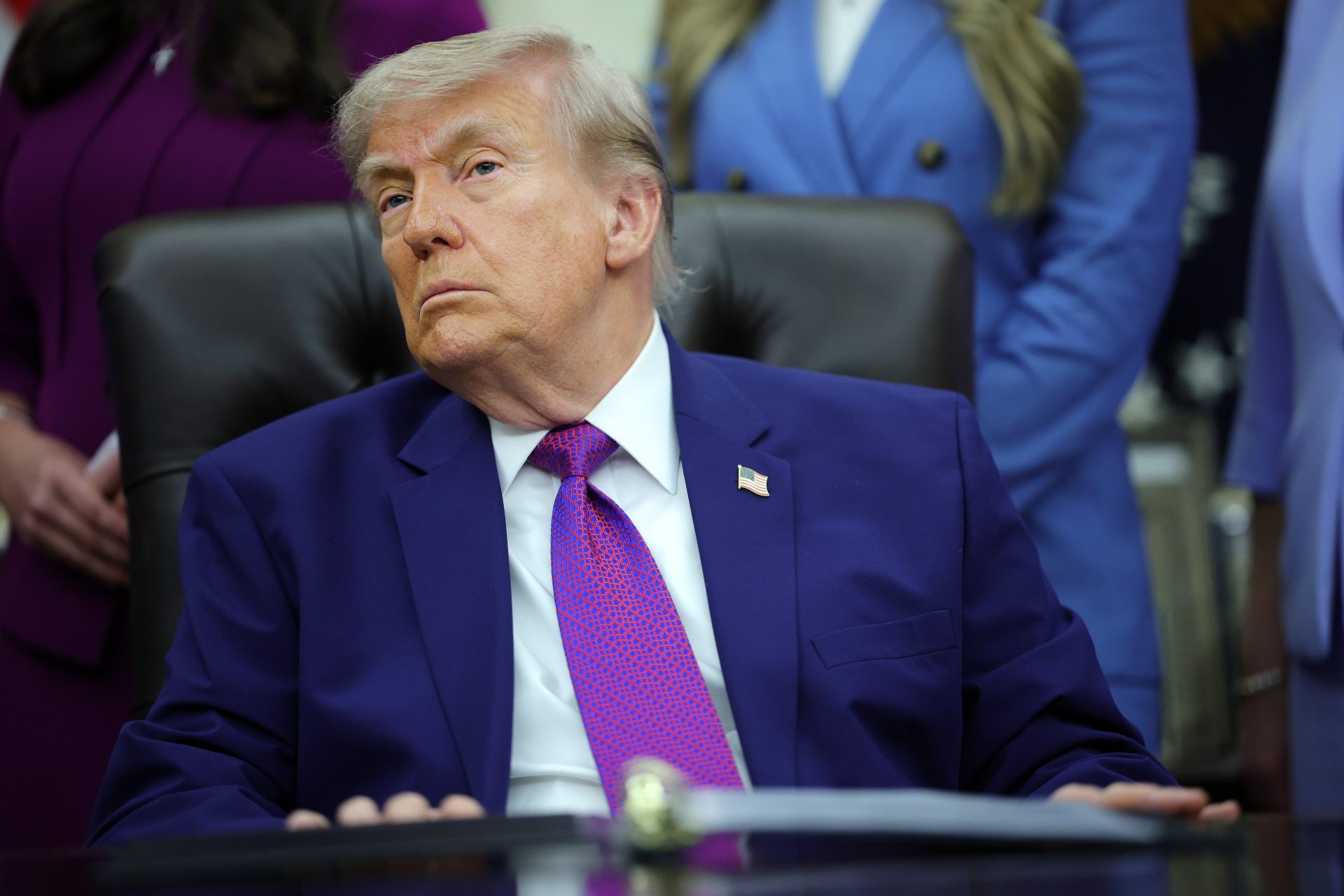
Donald Trump announced the suspension of a new military strike against Iran, a decision that has sent ripples through international diplomatic and security circles. The announcement came amidst a backdrop of escalating tensions in the Gulf region, where military posturing had reached a critical point. Despite the suspension, Washington maintained its military readiness for a potential "large-scale strike" if diplomatic efforts ultimately fail, according to statements from Mr. Trump. This posture shows a complex strategic calculus, balancing the immediate de-escalation of military action with the sustained threat of force as a negotiating leverage. The suspension followed a period of heightened tensions in the Gulf region, characterized by a series of incidents that brought the two nations to the brink of direct confrontation.
Iran's Leverage and Red Lines
Iran, for its part, retains formidable pressure levers that it can deploy in response to external pressures. These include its considerable arsenal of missiles and drones, which represent a significant deterrent and a capacity for regional projection of force. Beyond its military hardware, Iran also possesses the critical ability to obstruct the Strait of Hormuz, a vital global chokepoint for oil shipments. The country is reportedly exploiting this "energy nuisance capacity" and its broad regional influence to cushion American pressure, even as it acknowledges the severe human and economic costs that would inevitably arise from a full-scale war and an intensified blockade. This strategic positioning allows Iran to project strength and resilience, despite the considerable international sanctions it faces.
In the intricate dance of diplomacy, Téhéran has reportedly expressed a desire for an agreement that would prioritize an immediate cessation of war and blockade, deferring discussions on its controversial nuclear program to a later, more stable stage. This approach suggests a focus on immediate relief from economic and military pressure. Washington, however, presents a contrasting demand, insisting on a simultaneous agreement that would solidify what it perceives as conflict gains. This proposed full agreement would encompass lasting restrictions on enrichment activities, strong guarantees against nuclear weapon acquisition, and explicit commitments regarding Iran's missile capabilities, its network of regional militias, and the unimpeded passage through the Strait of Hormuz. The divergence in these initial negotiation stances notes the deep chasm that separates the two nations' strategic objectives and priorities.
Mediated Diplomacy and Shifting Ambitions
Donald Trump indicated that his decision to suspend military action was significantly influenced by ongoing "serious" negotiations and mediation efforts from various Gulf countries. These diplomatic channels have reportedly become key conduits for communication between the two adversaries. Proposals and counter-proposals are reportedly being exchanged through a network of intermediaries, including those from Pakistan, according to sources closely involved in the discussions. These multifaceted proposals reportedly concern several key areas of contention: the contentious nuclear issue, the critical matter of ensuring the opening of the Strait of Hormuz, a potential partial easing of oil sanctions to alleviate Iran's economic strain, and the complex logistical and political challenge of potentially transferring Iran's enriched uranium stock abroad. The very existence of such detailed proposals shows the depth of the diplomatic engagement, despite the public rhetoric of potential conflict.
President Trump appears to be incrementally reducing his practical ambitions for what would constitute a full agreement with Iran. His public discourse now predominantly focuses on the "nuclear" issue and the "Hormuz" strait, signaling a potential shift from earlier, broader demands. This narrower focus contrasts with previous insistence on simultaneous changes in Iran's regional behavior, its ballistic missile capabilities, and the dismantling of its proxy network across the Middle East. Mr. Trump is evidently utilizing the lingering military threat as a potent negotiation lever in these ongoing discussions, a strategy designed to extract concessions from Iran. However, despite this strategic application of pressure, this approach has not yet resulted in a definitive agreement between the parties, leaving the long-term resolution of the standoff uncertain. The instrumentalization of military threat, while a powerful tool, has not yet translated into the desired diplomatic breakthrough.
Expert Views on Strategy and Motivation
Farzin Nadimi, a senior researcher specializing in Iran at the Washington Institute for Near East Policy, offered a nuanced perspective on the President's decision. Nadimi indicated that "military reasons explain the postponement of the strike," suggesting that tactical considerations played a significant role in the timing of the suspension. Nadimi suggested that President Trump "might prefer not to renew the military operation if it is possible to obtain a minimum of conditions while reducing risks." This implies a pragmatic approach, where the President seeks to achieve core objectives with the least amount of military entanglement and associated dangers. Despite the temporary suspension of military action, Nadimi believes that "the chances of military action are as high as those of a diplomatic solution," suggesting a persistent uncertainty regarding the ultimate outcome of the current standoff. The precarious balance between these two possibilities shows the fluidity of the situation and the ongoing high stakes for all parties involved.
In contrast, Michael Rubin, a senior researcher at the American Enterprise Institute, offered a differing and more critical perspective on the President's approach. Rubin stated unequivocally that Trump "is improvising as he goes," implying a lack of a clear, pre-defined strategy. Rubin suggested that President Trump's motivation is primarily driven by "the feeling that he is personally humiliated by Iran," attributing the President's actions more to personal sentiment than to a calculated geopolitical strategy. Rubin further contended that this perceived personal humiliation could potentially lead Trump towards more targeted strikes on nuclear sites or even physical eliminations of key figures within the Iranian establishment. However, Rubin concluded that such actions, if undertaken, would ultimately mean that the President's approach "does not lead to a coherent strategy," noting a potential disconnect between immediate reactions and long-term strategic objectives. This divergence in expert opinion reflects the complexity of interpreting the motivations and potential trajectory of the current U.S. Policy towards Iran.
The Broader Geopolitical Chessboard
The postponement of the strike is widely interpreted as an attempt to manage a complex strategic impasse, a situation where immediate military action carries prohibitive risks while diplomatic avenues remain fraught with challenges. This calculated move serves multiple purposes: it maintains the credible threat of military force without immediate execution, thereby keeping pressure on Iran; it provides a key opening for mediators to engage and explore diplomatic solutions; and it seeks to reassure international markets and key allies who are anxious about the potential for a wider regional conflict. Washington is described as being in a particularly challenging position, where it can achieve neither a decisive military victory that would fundamentally alter the regional power balance nor a full political agreement that addresses all its concerns, according to the analysis. This dual challenge shows the deep complexities of the current geopolitical chessboard, where every move is carefully weighed for its potential consequences across military, economic, and diplomatic fronts. The current strategy, therefore, appears to be one of sustained tension and cautious engagement, aimed at navigating a dangerous path between war and an unsatisfactory peace.