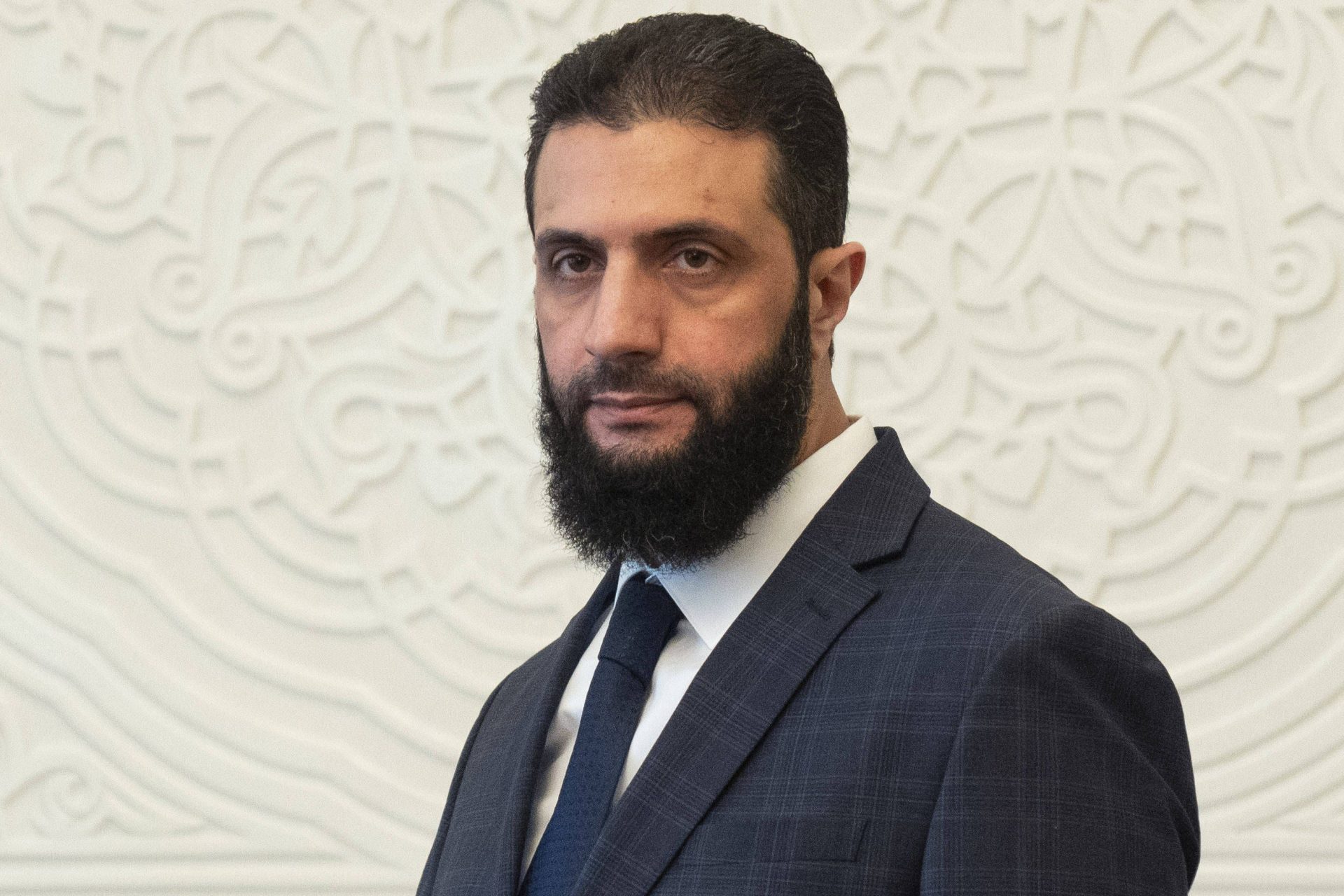
Syria's transitional president, Ahmad al-Charaa, promulgated a customs decree on Monday evening that places Israeli products on par with narcotics and weapons of war. The new measure, Legislative Decree No. 109 of 2026, was published by the official Sana agency and establishes a revised customs code. The decree repeals and replaces previous texts and their amendments from 2006, marking a significant update to the nation's trade regulations. Specifically, Article 206 of the new legislation equates Israeli merchandise with illicit substances such as narcotics, as well as military armaments and ammunition, according to the official publication. This classification shows the severity with which the Syrian government now views commercial dealings involving Israeli goods.
New Customs Code Details
The full nature of the new customs code is evident in its detailed provisions. Article 112 of the new decree formally prohibits the entry into Syrian territory of any merchandise "prohibited due to its violation of the provisions of the boycott of Israel," according to the official publication. This prohibition extends to goods originating from any country subject to an economic boycott, and specifically includes the joint free zone with Jordan, ensuring no loopholes for prohibited items. The measure covers all merchandise of Israeli origin without exception, regardless of whether it is destined for free zones or domestic markets within Syria, thereby implementing a complete ban on such products across the entire Syrian economic landscape.
Beyond goods, the new regulations also explicitly prohibit Israeli nationals from entering Syrian territory. This extends the scope of the decree to include individuals, reinforcing the non-recognition stance. In cases of smuggling involving these categories—whether illicit goods or the entry of prohibited individuals—customs courts are now required to rule in "immediate execution," meaning penalties apply without delay. This swift application of penalties occurs regardless of any judicial appeal and "whatever the value of the goods concerned," indicating a zero-tolerance approach to violations. The decree further tightens control over trade practices. Article 217 of the decree further provides for aggravated sanctions in instances of "fraudulent declaration concerning the place of loading from countries subject to economic boycott," targeting attempts to circumvent the ban through deceptive shipping information. This aims to prevent the misrepresentation of goods' origins or transit points. Under existing Syrian law, any commercial, economic, or investment relationship with Israel is already classified as a serious smuggling crime, deemed detrimental to national security, a legal framework that the new decree significantly strengthens and operationalizes.
Context of Regional Pressure
Since the fall of Bashar al-Assad's regime in December 2024, Israel has declared the 1974 disengagement agreement null and void. Following this declaration, Israel seized the border buffer zone, altering the geopolitical landscape in the region. The move by Israel has led to a significant expansion of its controlled territory along the border with Syria. This unilateral action by Israel has been a major point of contention and has contributed to the heightened tensions.
Israel now controls approximately 177 square miles of additional Syrian territory compared to the situation before the regime's collapse. This territorial shift marks a substantial change in the security arrangements and control along the shared border, effectively pushing Israel's de facto boundary deeper into what was previously Syrian territory. The new Syrian decree, which bans Israeli goods and individuals, aligns with a long-standing regional stance that views such Israeli actions as a violation of international law and Syrian sovereignty.
The recent text from Syria is in line with the boycott laws against Israel that have been adopted by the Arab League since the 1950s. These long-standing boycott principles have formed a cornerstone of Arab policy towards Israel for decades, reflecting a collective stance against normalization without a full peace settlement. Syria solemnly reaffirms its adherence to these established boycott principles through the new legislative measures, making it clear that its current policy is not an isolated incident but a continuation of a deeply entrenched regional position. The decree formalizes and reinforces a consistent policy position held by Syria regarding its relations with Israel, signalling a firm and unwavering commitment to its anti-normalization stance amidst the evolving regional dynamics.
Diplomatic Stance and Negotiations
The decree is promulgated amidst growing Israeli military pressure on Syrian territory, a factor that undoubtedly influences the Syrian government's assertive posture. This military pressure has been a constant source of instability and has complicated any potential for de-escalation. Ahmad al-Charaa stated that negotiations with Israel had not reached a definitive impasse but were facing major obstacles, as Israel insisted on maintaining a military presence on Syrian soil. This demand from Israel appears to be a primary sticking point, preventing any meaningful progress in talks. The Syrian transitional president's comments highlight the deep chasm that exists between the two sides regarding security arrangements and territorial control.
Syrian Foreign Minister Asaad al-Chaibani further stated at a press conference in Brussels that indirect negotiations, mediated by the United States, had produced no results to date. Despite the lack of tangible outcomes from these mediated discussions, al-Chaibani expressed Damascus's desire for a "calm and stable" relationship with Israel despite the ongoing challenges. This expression of intent, even in the face of stalled negotiations and escalating tensions, suggests a complex diplomatic strategy where public pronouncements aim to project a desire for peace while legislative actions reinforce national sovereignty and security concerns. The Syrian leadership's public statements indicate a complex diplomatic landscape where formal talks are stalled over core issues, even as the new legislative measures reinforce Syria's long-standing policy against normalization and assert its territorial and economic sovereignty. The promulgation of Legislative Decree No. 109 of 2026, therefore, serves as both a legal instrument and a diplomatic statement of Syria's unwavering position.