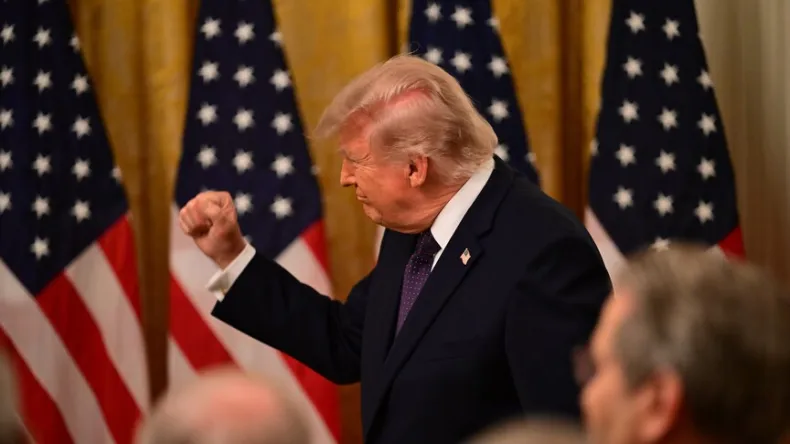
President Donald Trump will accept a nuclear deal with Iran only if it is "good for America," a White House official stated on Friday. The official’s remarks outlined the administration's stance on potential negotiations, emphasizing a focus on national interest and strategic advantage in any future agreement. The administration's position is that any resolution must demonstrably benefit the United States and its allies, ensuring long-term security and stability in the region. This declaration sets a clear benchmark for diplomatic efforts concerning Tehran's nuclear ambitions.
The proposal also includes a demand for the reopening of the Strait of Hormuz to unrestricted commercial navigation. This specified condition shows the critical importance of global maritime passage and energy security in any future agreement concerning Iran's nuclear program, according to the official. Ensuring the free flow of international trade through this vital chokepoint is a key component of the administration's demands, reflecting broader geopolitical and economic considerations. The White House views this as non-negotiable for regional and global economic stability.
White House Meeting Details
A high-level meeting in the Situation Room of the White House lasted nearly two hours. This extensive duration notes the gravity and complexity of the discussions surrounding the administration's policy toward Iran. Officials engaged in detailed deliberations, dissecting various aspects of the proposed agreement and potential diplomatic pathways. The gathering reaffirmed the firm position of the American administration regarding Tehran's nuclear ambitions, signaling a unified approach within the executive branch. This meeting shows the continued and intense focus on Iran's nuclear program within the White House, with senior officials dedicating significant time to formulate a cohesive strategy. The full nature of these discussions indicates the administration's commitment to a thorough and well-considered approach to one of its most pressing foreign policy challenges. The sustained engagement among top advisors suggests the urgency with which the administration is addressing the Iranian nuclear issue, aiming to forge a definitive and effective strategy.
Key Deal Provisions
The proposed agreement stipulates Iran's commitment to never obtain nuclear weapons. This condition represents a central and non-negotiable element of the deal being sought by the Donald Trump administration. The White House official emphasized that any viable resolution to the ongoing nuclear program concerns must include this specific and verifiable assurance from Iran. This commitment is viewed by American officials as absolutely fundamental to regional stability and global non-proliferation efforts, preventing the escalation of nuclear capabilities in a volatile area. The administration's position notes a demand for definitive and verifiable guarantees regarding Iran's nuclear activities, ensuring that the international community can be confident in Iran's peaceful intentions. This provision is considered a baseline requirement for any future diplomatic engagement or agreement concerning Tehran's nuclear capabilities, establishing a clear red line for the United States. The emphasis on preventing nuclear weapon acquisition reflects a core principle of the Trump administration's foreign policy concerning Iran.
Administration's Stance
President Donald Trump announced on his social network Truth Social that he would convene officials at the White House. The purpose of this key meeting is to reach a "final decision" on a proposed agreement aimed at ending the war with Iran. This statement signals a direct and decisive involvement by the President in the diplomatic process concerning the ongoing tensions with Tehran, showing the high-level importance attached to this issue. The White House discussions are expected to shape the administration's definitive approach to a potential resolution, providing clarity on the path forward. Trump's engagement via Truth Social shows the personal significance he places on the upcoming decision regarding the conflict, communicating directly with the public about this critical foreign policy matter. The meeting will address the full aspects of an agreement designed to de-escalate the situation and conclude hostilities, covering all necessary components for a lasting peace. The President's call for a "final decision" notes the advanced stage of internal deliberations on the matter within the administration, indicating that a resolution is actively being pursued.