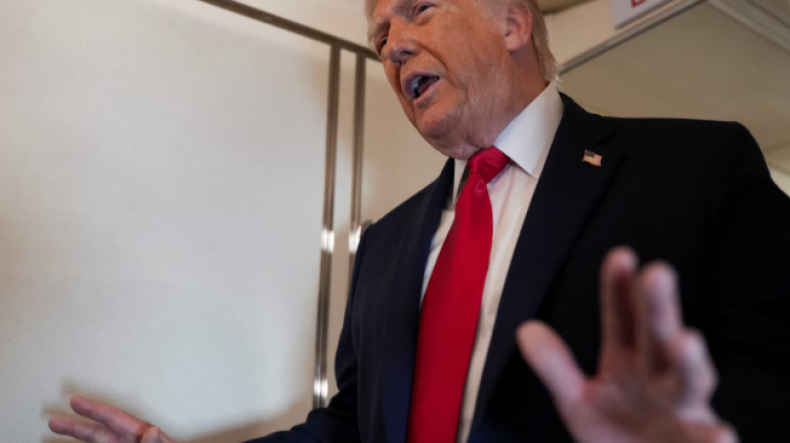
US President Donald Trump announced on Thursday evening his withdrawal from threatened military strikes against Iran. Trump stated that he, as President of the United States of America, canceled the air strikes and bombing scheduled to be carried out against Iran that evening. He explained, "المفاوضات مع جمهورية إيران الإسلامية، قد رُفعت إلى أعلى مستويات القيادة الإيرانية، وحظيت بالموافقة" (Negotiations with the Islamic Republic of Iran have been raised to the highest levels of Iranian leadership and have been approved). Trump added, "وقد تمت الموافقة على بنود المفاوضات والنقاط النهائية، من حيث المبدأ والتفاصيل الدقيقة، من قبل جميع الأطراف المعنية" (The terms of the negotiations and the final points have been approved, in principle and in precise details, by all parties concerned). He concluded, "سيتم الإعلان عن موعد ومكان التوقيع قريبًا" (The date and place of signing will be announced soon).
Deal Details Emerge
President Donald Trump justified his decision to cancel military strikes by stating that negotiations with the Islamic Republic of Iran had been elevated to the highest levels of Iranian leadership and received approval. This significant development, he indicated, was the primary reason for his decision to halt the planned military action. Trump further indicated that the terms of these negotiations and their final points, encompassing both principles and precise details, had secured approval from all concerned parties. This full approval, he stressed, was a critical factor in moving forward with a diplomatic resolution. The US President identified the parties involved in this agreement as the United States, the Zionist entity, Saudi Arabia, the UAE, Qatar, Turkey, Pakistan, Bahrain, Kuwait, Jordan, and Egypt. He explicitly listed these nations as those concerned with the agreement, showing the regional breadth of the proposed accord.
Naval Blockade Continues
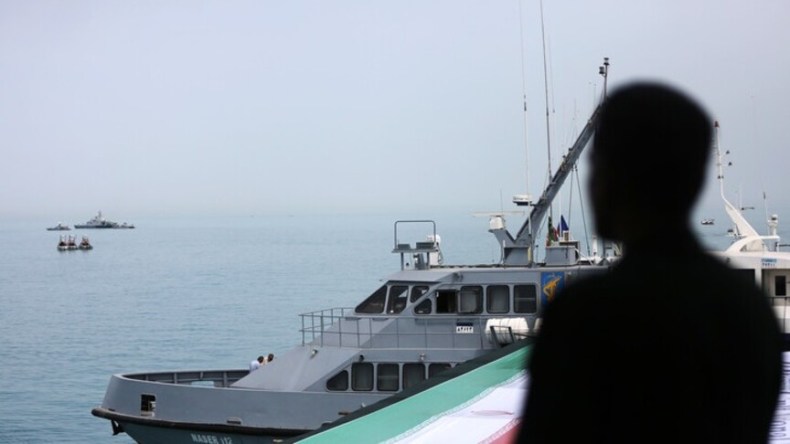
Despite the announced progress in negotiations, President Donald Trump affirmed that the naval blockade on Iran would remain fully active. The blockade is set to continue without alteration until the finalization of the deal. This measure, Trump stated, ensures that pressure is maintained on Tehran throughout the delicate negotiation process. The United States maintains the naval presence as a pressure tactic while diplomatic efforts proceed. Trump's administration has consistently emphasized the importance of economic and military pressure in achieving a full agreement with Tehran regarding its regional activities and nuclear program. The ongoing blockade, he reiterated, is specifically intended to ensure Iran's compliance with the terms still under discussion and will not be lifted prematurely.
High-Level Approvals Cited
President Donald Trump indicated his approach to signing a new agreement with Tehran. The US President stated that the date and place for the signing of this agreement will be announced soon, signaling an imminent formalization of the deal. These remarks followed his decision to cancel planned military strikes against Iran, a move he attributed to significant progress in diplomatic efforts. Trump had previously noted that negotiations with the Islamic Republic of Iran had reached the highest echelons of Iranian leadership and received approval, with the terms and final points also approved by all concerned parties. He emphasized that this high-level endorsement from Iran's leadership was a key step. The United States, the Zionist entity, Saudi Arabia, the UAE, Qatar, Turkey, Pakistan, Bahrain, Kuwait, Jordan, and Egypt were identified by Trump as the parties involved in the prospective agreement, noting the broad coalition supporting the diplomatic initiative. The President's statements show a shift from military confrontation to a diplomatic resolution, contingent on the finalization of the full agreement.