A private company owner recently identified a job applicant whose resume claimed she possessed 78 certificates and proficiency in seven languages. This discovery occurred as hiring managers face an increasing number of fraudulent documents. Some job seekers use artificial intelligence to create elaborate, multi-page resumes that misrepresent their actual qualifications. These automated tools allow candidates to inflate their professional histories with falsified credentials and skills. Employers now encounter these sophisticated fabrications across various industries, complicating the verification process for human resources departments. The reliance on such technology marks a shift in how individuals attempt to bypass traditional recruitment screening. As the private company owner noted, the sheer volume of these claims can overwhelm standard vetting procedures, forcing departments to dedicate additional time and resources to background checks that were once considered routine.
The Illusion of Expertise
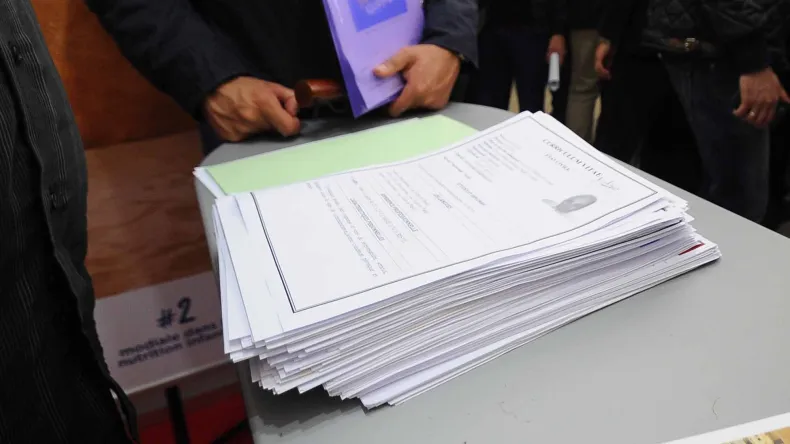
The applicant’s father presented a large collection of certificates for diverse skills including cooking, gardening, pet care, and business management from various countries. The owner of a private company recalled the interaction, stating: "جاءني رجل في الستينات من العمر، حاملا معه حقيبة نيابة عن ابنته الثلاثينية التي أتعبتها البطالة ويرى والدها أنها أولى من الجميع بالمنصب، الرجل جلس ووضع الحقيبة فوق مكتبي وراح يُخرج منها سيرة ذاتية في صفحة، وطلب مني تصفحها، ذهلت عندما قرأت بأن ابنته تتقن سبع لغات ولها 78 شهادة، واصفة نفسها من خلال السيرة الذاتية التي حررتها، بكونها بشوشة ومرحة ونزيهة ومثقفة، وغيرها من الصفات الملائكية".
The manager further described the difficulty of addressing the situation with the parent, noting: "كان من الصعب عليّ أن أقنع الرجل الستيني الذي ظلّ على مدار أكثر من 14 سنة يدفع المال لابنته نظير تربصات بضع ساعات وأحيانا عبر المراسلة وحتى بالعملة الصعبة لتجمع له 78 شهادة ورقية، وهي عاجزة عن امتلاك شهادة البكالوريا، كان من الصعب إقناعه بأن هذه الشهادات غير معترف بها وهي أوراق اشتراها من فراغ". This interaction notes the disconnect between the perception of professional value and the reality of the applicant’s actual skill set. The father’s belief in the legitimacy of these documents shows how deeply some families invest in these fabricated credentials, often spending years and significant financial resources to build a portfolio that holds no weight in the eyes of professional recruiters.
Some organizations sell fake honorary doctorates to individuals who lack basic educational credentials. These services target candidates seeking to artificially enhance their profiles through manufactured academic standing. One manager characterized the extent of these professional misrepresentations, stating: "بعضهم يستحق ورقيا جائزة نوبل". These fabricated credentials remain a consistent challenge for hiring departments attempting to verify the legitimacy of applicant histories. As the marketplace becomes increasingly competitive, the pressure to stand out leads many to pursue these shortcuts, creating a dense layer of deception that human resources professionals must navigate daily to ensure they are hiring candidates with genuine, verifiable capabilities.