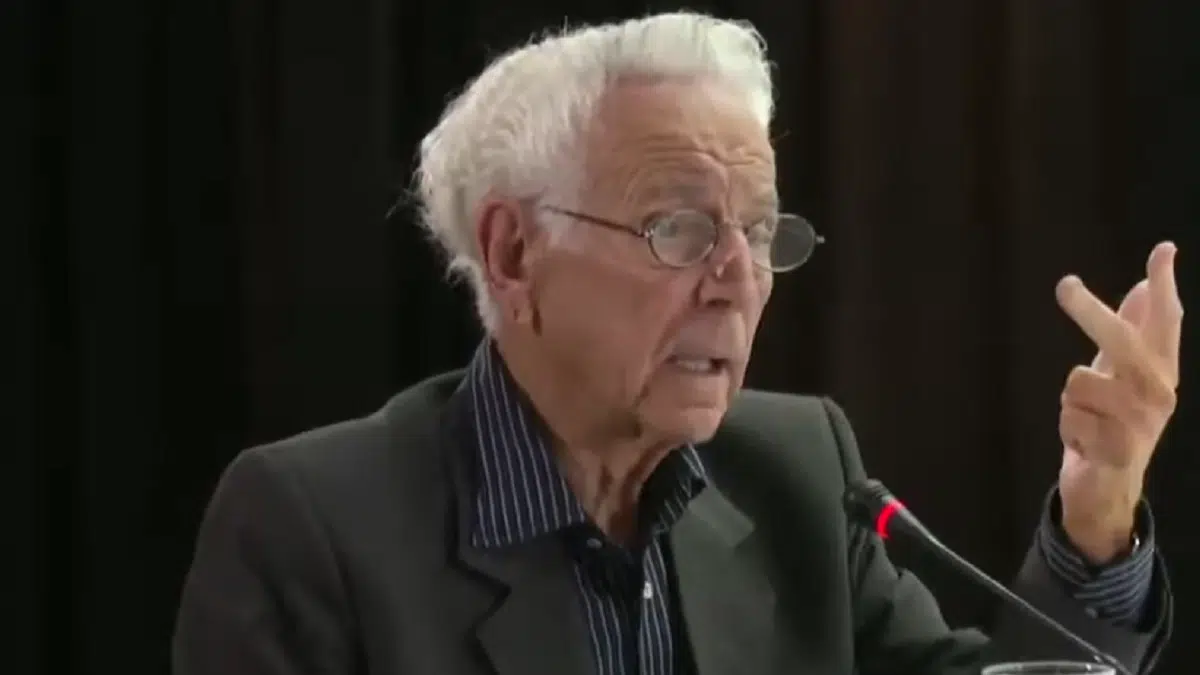
Ali Haroun, a prominent Algerian statesman and lawyer, died on Saturday, October 24, 2026, at the age of 99. Reflecting on the complexities of governance, he once stated, "La démocratie ne se limite pas à déposer un bulletin dans l’urne et à appliquer aveuglément le résultat, quel qu’il soit." Haroun often addressed the international perception of Algeria, noting, "L’État n’a pas communiqué et, de plus, l’Algérie communique mal. C’est pourquoi nous avons été très mal compris à l’étranger." He also spoke of personal burdens regarding his political past, adding, "Je me sens en quelque sorte responsable de sa mort en ce sens qu’il m’avait reçu pour discuter de l’éventualité de son retour… Pendant des jours, je perdais le sommeil me posant la question sans cesse si j’avais bien fait d’aller le voir à Kénitra."
Political Career and Appointments
Ali Haroun accepted an appointment as Minister Delegate for Human Rights in June 1991. This position placed him within the government led by Sid Ahmed Ghozali during a period of significant political transition in Algérie. His tenure in the cabinet occurred as the administration navigated challenges following the legislative developments of the era. As a lawyer, Ali Haroun brought his legal background to the portfolio, focusing on the mandate assigned to him by Sid Ahmed Ghozali. He served in this capacity while the state addressed complex internal affairs and institutional shifts involving the FLN and other political actors. His work as Minister Delegate for Human Rights remained a defining chapter of his career in public service.
The High Committee of State
Ali Haroun began his life in 1927 in Bir Mourad Raïs, Algeria. This early history preceded his rise as a central actor in the nation's political trajectory during the 1990s.
In January 1992, he played a key role in the decision to interrupt the electoral process. This action occurred immediately following the first round of legislative elections, which had resulted in a victory for the FIS. Shortly thereafter, Ali Haroun became a member of the High Committee of State (HCE). He served in this governing body from 1992 until 1994, helping to steer the administration during a period of intense institutional transition.
His influence extended to the formation of the HCE's leadership. Ali Haroun worked to persuade Mohamed Boudiaf to return from his exile in Maroc. By succeeding in this effort, he facilitated Mohamed Boudiaf's arrival to lead the HCE in 1992.
Following his time in the HCE, Ali Haroun shifted his focus toward organized political engagement. In 1995, he co-founded the National Republican Alliance (ANR) alongside Redha Malek. This party reflected his ongoing involvement in the national discourse after his departure from the state committee.