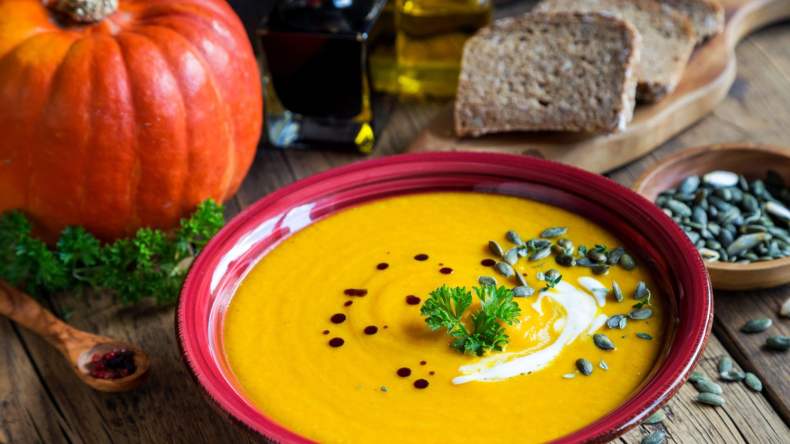
Cooked pumpkin provides a measurable source of dietary fiber, contributing to the nutritional profile of pumpkin soup. One cup of cooked pumpkin contains approximately 3 grams of fiber. This specific nutritional content remains consistent across standard culinary preparations of the squash. Dietary fiber assists in maintaining digestive regularity and supports long-term metabolic health. Consumers frequently integrate this vegetable into meal plans to increase daily fiber intake. Researchers monitoring the caloric and nutrient density of plant-based foods identify these values as primary indicators of pumpkin's role in a balanced diet. The presence of fiber is a key component in the overall nutritional evaluation of pumpkin-based meals, as it influences satiety and digestive function. By incorporating pumpkin into a soup-based format, the fiber content remains bioavailable, allowing for consistent delivery of this nutrient to the consumer.
Nutritional Value of Pumpkin
One cup of cooked pumpkin contains approximately 49 to 50 calories. This caloric density informs the base composition of soups prepared with the vegetable as a primary ingredient. The energy density of the vegetable is considered relatively low, which allows for the inclusion of other ingredients without significantly inflating the total caloric load of the dish. This characteristic makes pumpkin a versatile base for various soup preparations designed for different dietary requirements.
Standard culinary preparations for pumpkin soup involve a specific list of components. The recommended recipe requires 500 grams of pumpkin, one medium onion, one small carrot, and two cloves of garlic. Liquid bases and fats are also included, specifically one teaspoon of olive oil, 3 cups of low-sodium vegetable broth, and half a cup of low-fat milk. These ingredients are combined to form the final soup product, which serves as a foundation for additional protein enrichment. The onion, carrot, and garlic are typically sautéed in the olive oil before the pumpkin and broth are added to the mixture, creating a base that is both flavorful and nutrient-dense. The low-fat milk is often added during the final stages of preparation to achieve the desired consistency for the soup.
Research into soup composition indicates that modifying the protein source can alter biological markers in consumers. A study showed that chicken-fortified soup increased the activity of the antioxidant enzyme SOD. This enzymatic change suggests that the addition of chicken to vegetable-based soups may enhance the body's oxidative defense mechanisms. The role of SOD, or superoxide dismutase, is critical in managing oxidative stress within the body, and its increased activity following the consumption of chicken-fortified soup provides a measurable biological response.
Chicken-fortified soup was also associated with a decrease in oxidized LDL cholesterol and the inflammatory marker TNF-α. These findings indicate that the inclusion of chicken in a pumpkin soup preparation may influence lipid profiles and systemic inflammation. Measurements of TNF-α, a cytokine involved in systemic inflammation, provide evidence regarding the potential physiological effects of consuming nutrient-dense, protein-enriched soups. By analyzing these specific inflammatory markers and lipid levels, researchers can better understand how protein-enriched vegetable soups contribute to physiological health. The reduction in oxidized LDL cholesterol is particularly notable, as this marker is often scrutinized in relation to cardiovascular health. The modulation of TNF-α levels suggests that the combination of pumpkin and chicken creates a profile that may assist in the regulation of systemic inflammatory responses in the body.