Approximately 210 million American voters are eligible to participate in the midterm elections scheduled for Tuesday, November 3, 2026. These elections will determine the composition of Congress, with 35 of the 100 seats in the Senate and all 435 seats in the House of Representatives up for contest.
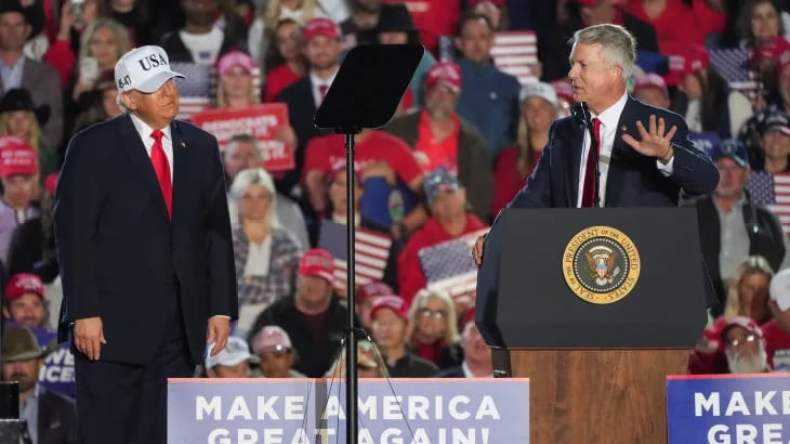
President Donald Trump addressed the potential legislative gridlock that could follow the results in an interview with the New York Post. Discussing his strategy for dealing with the incoming legislature, President Donald Trump stated, "I think I will become Mr. Veto." Voters across the United States will cast ballots to decide which candidates fill these federal offices, shaping the balance of power in Washington for the remainder of the presidential term.
Early Voting Trends Observed
The Election Lab at the University of Florida reported that more than 52 million Americans have already cast their votes through early voting or mail-in ballots. This figure represents an increase from the approximately 46 million voters who cast ballots before election day in 2022. Senator Raphael Warnock, speaking to CNN, described the atmosphere surrounding these participation levels as "Tension mixed with optimism." Officials continue to process these ballots as the country prepares for the final day of voting on 3 November.
Current Polling and Expectations
Polling data indicates that Democrats may secure a majority in the House of Representatives as voters prepare for the final day of balloting. Projections regarding the Senate remain uncertain, with analysts describing the competition for those seats as too close to call. These surveys suggest that the political alignment of the legislative branch depends on results from key districts across the United States.
White House aides have developed internal contingency plans to address the possibility of a divided government. These officials prepared strategies to continue implementing key parts of the agenda of President Donald Trump through executive authority if Democrats gain control of Congress. The administration intends to utilize these executive actions to advance policy objectives regardless of the final legislative composition. Staff members finalized these arrangements to ensure that executive initiatives continue to function if the legislative branch blocks specific proposals.