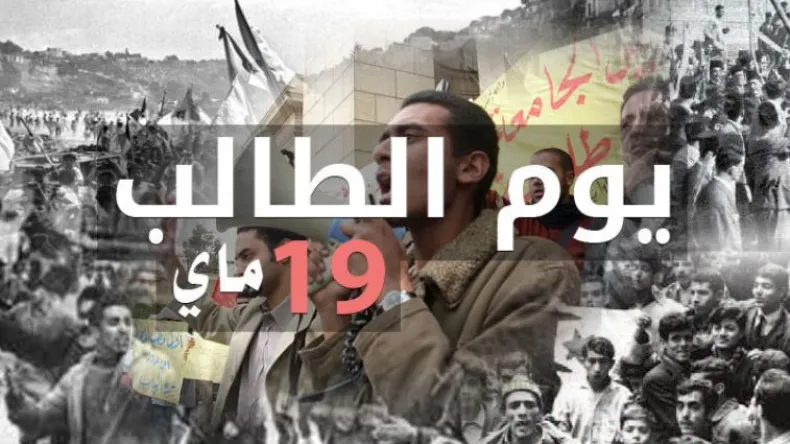
On May 19, 1956, Algerian students decisively joined the armed revolution against French occupation, a colonial presence which had lasted for over 120 years. This key event, which profoundly shaped the trajectory of Algeria's struggle for independence, is the subject of an article dated May 18, 2026. The decision by these young intellectuals to abandon their academic pursuits marked a significant turning point, injecting new momentum and a powerful symbolic message into the burgeoning independence movement. Their collective action showed a deep-seated commitment to liberation, demonstrating a willingness to prioritize national freedom above personal advancement.
A Choice of Sacrifice
Algerian students from a wide array of disciplines made the profound choice to abandon their studies and join the burgeoning revolution. This powerful wave of commitment included individuals from medical, law, engineering, physics, and chemistry faculties, signifying a broad-based intellectual engagement with the cause. Secondary school students also swelled the ranks of the movement, noting the widespread nature of this patriotic fervor across different educational levels. Participants came not only from Algerian universities but also from prestigious European and French institutions, including the renowned University of Montpellier, demonstrating the global reach of their commitment to their homeland's freedom. These students made a conscious and collective decision for sacrifice and martyrdom in pursuit of independence, reportedly prioritizing this ultimate path over the attainment of professional scientific certificates under occupation. Their unified action significantly bolstered the ranks of the independence movement, providing both intellectual capacity and passionate dedication to the cause.
Joining the Revolution's Ranks
The number of students actively involved in the revolution at that time, while impactful, did not exceed 2500, according to available reports. Despite this relatively modest figure, their involvement was strategically key. Some of these dedicated students joined the National Liberation Army (ALN) directly in the rugged mountains, contributing to the armed struggle through direct combat and logistical support. These individuals faced immediate and severe dangers, embodying the physical sacrifice demanded by the revolution. Others engaged with the civilian organization of the National Liberation Front (FLN), supporting the movement's political and logistical efforts through clandestine networks, propaganda, and administrative tasks. Their contributions were vital for sustaining the broader revolutionary infrastructure. Reports indicate that individuals like Abd al-Rahman Talib and Rashid Kawash were among those who made this profound sacrifice, leaving their promising academic careers to participate actively in the independence movement. Their choices showed the widespread commitment among the student population to the revolutionary cause, inspiring many others to join the fight for self-determination.
Martyrdom Over Certificates
The decision by Algerian students to abandon their studies for the independence movement was perceived dramatically differently by French authorities compared to the students' own motivations. The French viewed the students' choice not merely as a political decision or an act of rebellion, but rather as a form of suicide, an irrational and self-destructive act. This perspective contrasted sharply with the students' own stated rationale for their actions, which was rooted in a deep sense of patriotic duty and a clear vision for a liberated Algeria. Students at the time articulated their unwavering commitment to the cause, declaring that their academic qualifications were entirely secondary to the critical struggle for national sovereignty. They famously stated, in a declaration that resonated deeply within the movement, "Our certificates do not make us better corpses" (شهاداتنا لا تصنع منا جثثا أحسن). This powerful and poignant statement showed their belief that their lives, regardless of educational attainment or future professional prospects, were equally valuable and worthy of sacrifice in the fight for independence. This declaration noted the students' profound willingness to sacrifice their futures, their careers, and even their lives for the revolutionary cause, an act of ultimate patriotism and defiance against colonial rule.