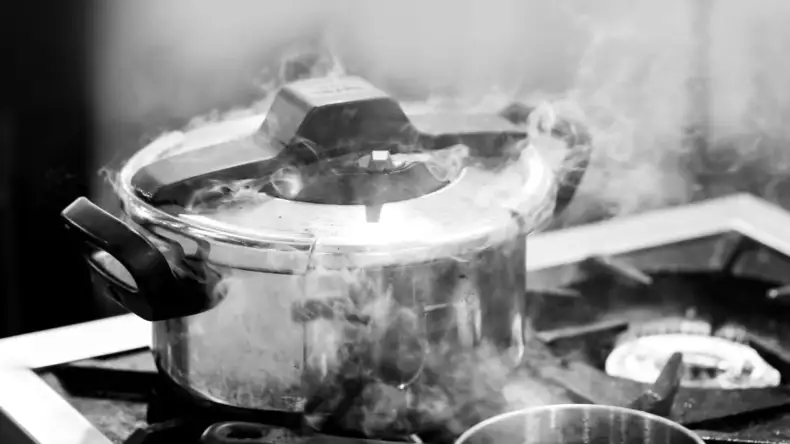
A study examined 57 cases of injuries linked to pressure cooker explosions between 2021 and 2024, identifying several common causes for such incidents. The full review of these incidents noted critical areas where safety measures might fail or user error could lead to dangerous outcomes. Improperly sealed gaskets or lid latches can directly contribute to explosions. These components are key for maintaining the necessary internal pressure, and any compromise in their sealing integrity can lead to a sudden and violent release of steam and contents. Overheating and subsequent explosions may occur if the water inside a pressure cooker dries up. This situation creates extreme internal temperatures and pressures that the appliance may not be designed to withstand, leading to a catastrophic failure. Malfunctioning safety mechanisms, including latches, represent another significant cause for these incidents. When these critical safety features fail to operate as intended, the risk of an explosion escalates dramatically. Additionally, worn-out parts in older pressure cookers can compromise safety equipment, leading to explosions. The degradation of materials over time can weaken structural integrity and impair the function of safety components. In traditional pressure cookers, incorrect temperature and pressure adjustments can result in overpressure, which also triggers explosions. Modern pressure cookers often incorporate more advanced safety features to mitigate these risks, but user vigilance remains critical.
Why Pressure Cookers Can Explode
Blockage of the steam outlet or valve by food residue is one common cause of pressure cooker explosions. This obstruction prevents steam from escaping, leading to a dangerous buildup of internal pressure. Such blockages can occur when small food particles or frothy liquids accumulate in the vent. This uncontrolled pressure accumulation can quickly exceed the cooker's design limits, resulting in a sudden and forceful rupture. Another significant factor contributing to these incidents is forcibly opening a pressure cooker before all steam has safely escaped. Doing so can release the highly pressurized contents violently, resulting in an explosion. The sudden depressurization can cause the superheated liquid inside to flash into steam, propelling the lid and contents with explosive force.
Defective or poorly designed pressure release vents can also contribute to premature lid opening and subsequent explosions. Such malfunctions compromise the cooker's ability to regulate internal pressure, leading to uncontrolled releases. These vents are designed to release excess pressure safely, and their failure can have severe consequences. Overfilling a pressure cooker beyond its recommended capacity can cause food to expand during cooking. This expansion may then block essential valves, preventing proper pressure release and creating conditions for an explosion. The internal volume of the cooker is designed for a specific amount of food and liquid, and exceeding this can lead to operational hazards.
Direct flame contact with the walls of a pressure cooker is another identified hazard. This can lead to rapid increases in both temperature and pressure within the appliance. If the safety valves designed to manage such conditions fail, an explosion can occur. This is particularly relevant for stovetop models where heat regulation is manual. The use of large quantities of oil in pressure cookers also presents a risk. High volumes of heated oil can be difficult to manage safely and may melt critical safety mechanisms within the cooker, compromising its integrity and increasing the likelihood of an incident. Oil's high boiling point and flammability add an extra layer of danger when used under pressure.
Signs of Trouble and Specific Risks
Steam leaks from a pressure cooker can indicate trouble, often caused by damaged or improperly fitted gaskets. A compromised gasket cannot maintain a proper seal, allowing steam to escape and potentially indicating a larger issue with pressure retention. Another factor contributing to steam leaks is clogged pressure release valves, which can prevent proper sealing and pressure regulation. A clogged valve might not seat correctly, leading to minor steam escapes that could escalate into more significant problems if the clog is not addressed. These leaks are not just a sign of inefficiency but a warning that the internal pressure is not being contained as it should be, or that the safety mechanisms are impaired.
Certain foods pose specific risks due to their properties. Foods that foam, such as beans and lentils, can block the pressure release valve if not handled correctly during the cooking process. This blockage can lead to dangerous pressure buildup within the cooker. The foam can travel up into the vent pipe, solidifying or creating a barrier that prevents steam from escaping, thereby trapping pressure. To mitigate the risk of foaming and valve obstruction, it is advised to cook these foods with additional liquids, use a larger capacity pressure cooker, or pre-soak and boil beans before pressure cooking. These measures help prevent foam from reaching and obstructing the pressure release mechanism, ensuring safer operation of the appliance. Using a larger capacity cooker provides more headspace for foam to dissipate without reaching the valve. Pre-soaking and boiling can also help reduce the initial foaming during pressure cooking.
Essential Safety and Maintenance Tips
Regular cleaning, particularly of the gasket and safety valve, is essential to prevent the accumulation of food residue and grease. This practice ensures that the pressure cooker's safety mechanisms remain unobstructed and function correctly. A clean gasket maintains a tight seal, and a clear safety valve can release pressure as designed, preventing dangerous buildups. Neglecting these cleaning tasks can lead to gradual deterioration of performance and increased risk.
Proper storage in a clean, dry environment is also key for maintaining the appliance. Storing pressure cookers away from moisture helps prevent rust formation and damage to various parts, preserving the cooker's integrity and extending its lifespan. Rust can weaken metal components, particularly around the lid and handle mechanisms, which are critical for safe operation.
Periodic inspections for wear and tear are recommended to identify potential issues early. Users should pay close attention to the condition of the lid and the gasket, as these components are vital for maintaining a proper seal and regulating pressure during operation. Checking for cracks, deformities, or hardening of the gasket, as well as any damage to the lid's locking mechanism, is key. Replacing worn parts promptly can prevent malfunctions and enhance safety. This proactive approach to maintenance is key to ensuring the long-term safe use of any pressure cooker. Adhering to these guidelines can significantly reduce the risk of incidents and ensure that pressure cooking remains a convenient and efficient method of food preparation.