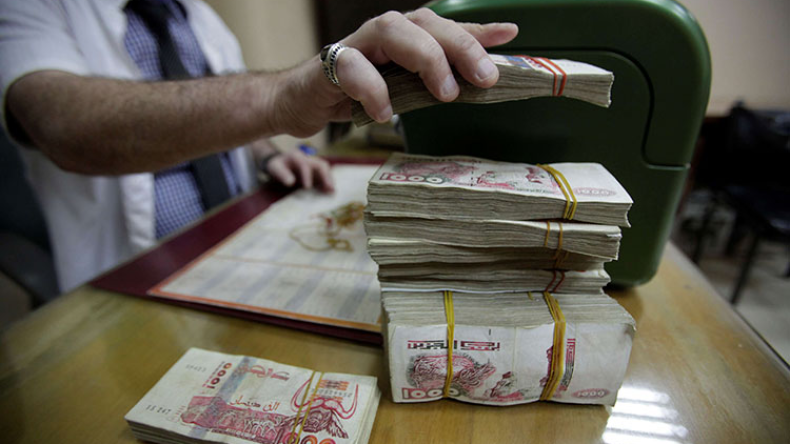
Algeria is intensifying its efforts to strengthen its national system for combating money laundering and terrorism financing, a move aimed at bolstering financial integrity across key sectors. This concerted national effort is part of a broader strategy to enhance transparency and accountability across various industries. The initiative seeks to expand oversight and compliance mechanisms within the country, ensuring that all sectors are equipped to identify and report illicit financial activities. As part of this push, the National Federation of Real Estate Agencies has actively recruited approximately 1900 accredited real estate agencies situated throughout Algeria. These agencies are expected to play a key role in identifying and reporting suspicious transactions, thereby contributing significantly to the broader national strategy against financial crime. This recruitment drive shows the government's commitment to leveraging established professional networks in its fight against financial malfeasance.
New Monitoring Role
Algeria is working diligently to accelerate its exit from the Financial Action Task Force (FATF) grey list, a process that involves strengthening its financial crime prevention frameworks to meet international standards. As part of this full effort, real estate agencies will contribute to monitoring suspicious transactions and identifying unknown sources of funds within the real estate market. This expanded mandate places a significant responsibility on these agencies, requiring them to be vigilant and proactive. These agencies are now tasked with a critical role in flagging activities that could indicate money laundering or terrorism financing, acting as an early warning system against financial crime. The goal of regulating the profession is multifaceted, aiming not only to combat illicit activities but also to protect the rights of both buyers and sellers involved in property transactions. This regulatory push also aims to eliminate random brokerage practices within the sector, which have historically contributed to market opacity. By formalizing and overseeing real estate operations, Algeria seeks to enhance transparency and integrity across the entire industry. This initiative is a key component of the country's broader strategy to align with international standards for combating financial crime, demonstrating a commitment to strong financial governance.
Market Vulnerabilities and Challenges
The real estate sector in Algeria has been identified as highly susceptible to attempts to legitimize illicit funds. This vulnerability stems from the inherent nature of property transactions, which often involve large sums of money and can be structured through complex financial arrangements, making it an attractive avenue for individuals seeking to launder money or finance terrorism. This susceptibility necessitates enhanced scrutiny and strong regulatory measures to prevent the sector from being exploited by criminal elements. Efforts to combat financial crime within real estate aim to close loopholes that could otherwise facilitate the integration of illegal proceeds into the legitimate economy, thereby safeguarding the integrity of the financial system. The scale of the challenge is significant, given the historical prevalence of informal transactions.
To address these vulnerabilities and professionalize the sector, the real estate mediation profession now requires official accreditation and legal licensing. This regulatory framework ensures that all individuals and entities operating within the sector are formally recognized and adhere to established legal standards, bringing a new level of accountability to the industry. The requirement for official accreditation aims to professionalize the industry, ensuring that mediators are accountable and operate transparently, reducing opportunities for exploitation. This measure is designed to reduce the informal and unregulated practices that could otherwise be exploited for illicit financial activities, reinforcing the overall effort to strengthen Algeria's anti-money laundering and counter-terrorism financing framework. The implementation of these stringent requirements is a direct response to the identified weaknesses within the real estate market.
Market Outlook and Future Steps
A significant challenge noted by recent assessments is that between 80% and 90% of real estate transactions in Algeria currently occur outside of organized professional channels. These transactions often rely instead on unaccredited intermediaries and social media platforms, creating a vast informal market that is difficult to monitor and regulate. This informal market poses significant challenges to regulatory efforts aimed at combating financial crime, as it provides avenues for illicit funds to enter the legitimate economy undetected. The real estate sector has been experiencing a state of anticipation and relative stagnation for several months, with a noticeable decrease in the number of real estate deals being concluded. This period of reduced activity reflects market uncertainties and the impact of new regulations, as stakeholders adjust to the evolving landscape.
Observers anticipate a decline in real estate prices in the coming months. This expectation is linked to the planned distribution of 'ADL 3' housing units and the implementation of new rent-to-own programs, which are projected to significantly increase housing supply and potentially stabilize or reduce market values. The introduction of these programs is poised to reshape the market dynamics, influencing both buyer and seller behavior in the near future. The combined effect of stricter regulations, increased professionalization, and new housing initiatives is expected to create a more transparent and stable real estate market in Algeria, aligning it more closely with international best practices in combating financial crime.