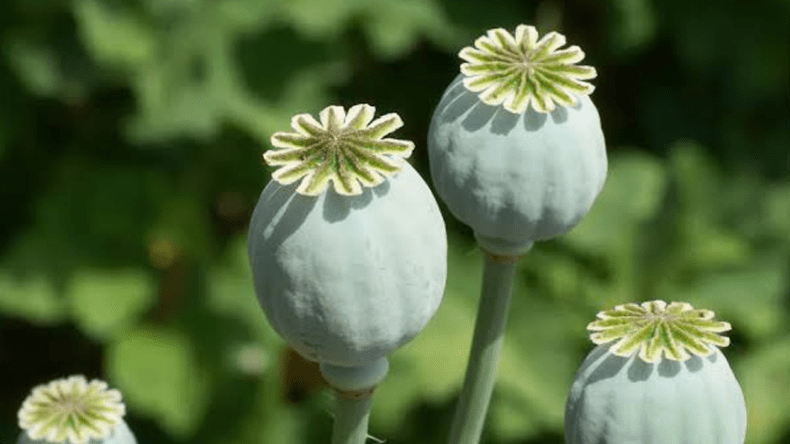
Opium emerged as a dangerous weapon in European colonial expansion following the Industrial Revolution and the rise of capitalism, used to broaden markets and military influence. It is specifically described as one of the most dangerous weapons adopted by European colonial powers in this era to expand markets and military dominance. The First Opium War, also known as the first 'Hashish War,' occurred between China and Britain from 1839 to 1842. Before the first nuclear bombing of Nagasaki and Hiroshima in August 1945 and the subsequent proliferation of "weapons of mass destruction," drugs, particularly opium, were regarded as the most perilous long-term threat to the health, populations, and security of states. Indeed, drugs, specifically opium, were considered the most dangerous long-term weapon against the health, peoples, and security of states prior to the advent of nuclear weapons.
Historical Roots of Opium Wars
During the Victorian era, Britain imported significant quantities of tea, silk, and porcelain from China. This trade dynamic significantly depleted Britain's treasury of silver, which was the primary currency of trade at the time. To counteract this trade imbalance and replenish its silver reserves, the British East India Company, alongside French and Dutch entities, established a monopoly on opium cultivation and marketing in India during the period of British occupation. This extensive production and trade network allowed Britain to flood the Chinese market with opium. The widespread smuggling and trade of opium by Britain subsequently led to unprecedented inflation in China, which in turn caused widespread popular uprisings among the Chinese populace.
China intervened decisively by destroying tons of British opium and arresting drug traffickers in an effort to curb the illicit trade. These actions prompted Britain to launch a military war against China, initiating the First Opium War. China was ultimately defeated in this conflict and consequently ceded the island of Hong Kong to Britain. The subsequent Treaty of Nanjing, signed in 1842, further compelled China to open five key ports—Guangzhou, Shanghai, Xiamen, Fuzhou, and Ningbo—to British and French trade, thereby expanding foreign commercial influence within China.
The Second Opium War occurred between 1856 and 1860, with France joining Britain in the conflict against China. China was again defeated by the combined might of British and French fleets in this second war, further solidifying foreign dominance. The Opium Wars collectively had a devastating impact, weakening China economically, politically, and militarily. These conflicts drained its national finances, severely diminished its global trade standing, and left a lasting legacy of foreign intervention and internal instability.
Opium as a Modern Weapon
In contemporary times, some countries reportedly utilize drug baron networks, and even official bodies, to flood neighboring countries and the broader Arab region with various illicit drugs, including opium. This practice is said to occur under the guise of medical opium trade, as Morocco reportedly promotes it. The primary objective of this modern drug trade is to generate substantial financial resources. These funds are then purportedly used to temporarily alleviate regime instability within the countries involved, providing a clandestine source of revenue. Beyond financial gain, the drug trade also serves a strategic purpose: to weaken political opponents, particularly those in neighboring countries, by fostering social decay and economic disruption. This contemporary trade is described as occurring in cooperation with hostile foreign entities. These entities include both Arab and European actors, operating in coordination with the 'Zionist entity' (الكيان الصهيوني), indicating a complex web of alliances and objectives.
Broader Implications and Continuity
The Opium War, in its essence, has not concluded but rather evolved, according to analysis. The underlying objective, however, remains consistent: to target the resources of various populations and states and to undermine strong, independent political stances. This ongoing struggle manifests through shifting forms, participants, and nomenclature, but the core aim of control and influence persists. The analysis suggests that the Opium War changes in form, names, and participants, but the objective remains the same: to strike at the resources of peoples and states and weaken strong independent positions.
The concept of control and influence through various means has historical parallels that extend beyond direct military conflict. Karl Marx famously stated, "الدين أفيون الشعوب" (Religion is the opium of the people), a phrase often translated as "Religion is the opium of the masses." This statement, made in the 19th century, reflects a broader understanding of tools used to manage or pacify populations, drawing a metaphorical link to the effects of opium. The continued relevance of such historical observations shows the enduring nature of strategies aimed at influencing societal and state structures through diverse means, whether through direct economic warfare, political subversion, or the manipulation of societal structures.