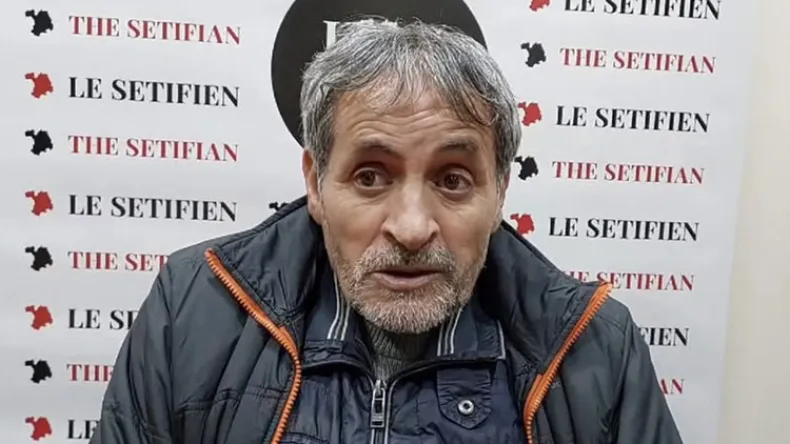
Nouri Rouikem, professionally known as Kamatcho, remains a central figure in the entertainment industry. His career spans 46 years, marking a period of sustained professional activity. Observers note that the performer established this identity early in his tenure, maintaining the stage name throughout his long-term work in the arts. The longevity of his professional life has allowed him to witness and participate in various shifts within the creative landscape, consistently maintaining his presence as an artist recognized by his chosen professional name.
Early Beginnings in Cinema
Kamatcho made his film debut in the 1980 production Kahla wa Bayda. Directed by Abderrahmane Bouguermouh, the project marked the performer's first major transition into cinema. This debut served as a foundational moment in his career, providing him with a platform to showcase his talents on the big screen. The transition into film required a shift in his artistic focus, as he moved from his previous endeavors into the complex world of cinematic storytelling under the guidance of the director.
Preparation for this appearance began when Kamatcho and Abderrahmane Bouguermouh met during the spring of 1979. Their initial contact preceded the start of filming by approximately one year. This collaboration established a professional association between the two men as they worked to bring the feature to completion. During this year of preparation, both the performer and the director refined their creative vision for Kahla wa Bayda. The meeting in the spring of 1979 allowed for the necessary dialogue to align their expectations and ensure that the final production met the standards envisioned by Abderrahmane Bouguermouh. This period of planning was instrumental in the successful execution of the film, which would eventually become a notable part of the performer's portfolio.
Musical Contributions and Performance
Kamatcho performed the song 'Sabart Sabart' as part of his contribution to the film Kahla wa Bayda. This musical piece served as a primary artistic element within the 1980 production directed by Abderrahmane Bouguermouh. The inclusion of 'Sabart Sabart' allowed Kamatcho to integrate his musical abilities into the narrative structure of the film, adding a distinct auditory layer to the project. The performance of this song remains a specific highlight of his involvement in the production, linking his musical identity directly to his early cinematic work.
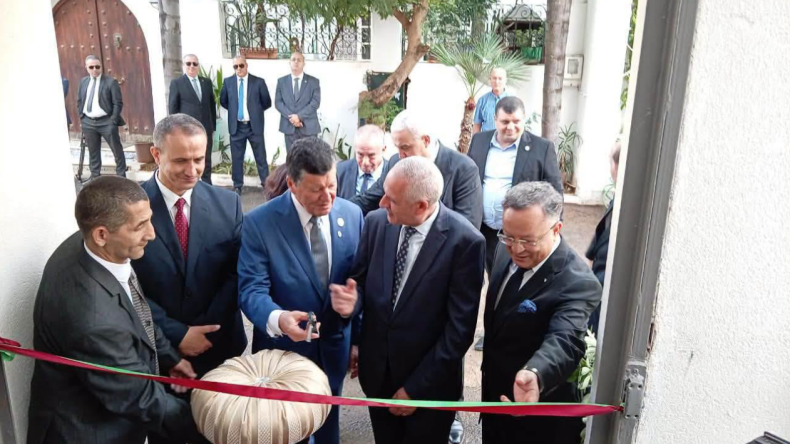
Organizers honored Kamatcho at the opening ceremony of the first edition of the Algerian Contemporary Cinema Days. The event took place in El Eulma, located in the province of Setif. This recognition served to acknowledge his body of work and his ongoing influence within the arts. By selecting the opening ceremony for this tribute, the organizers of the Algerian Contemporary Cinema Days noted the significance of the contributions made by Kamatcho over his 46-year career. The gathering in El Eulma provided a formal setting for the industry to celebrate his history, from his debut in Kahla wa Bayda to his continued presence as a recognized figure in the field. This acknowledgement in Setif reflects the enduring nature of his professional legacy.