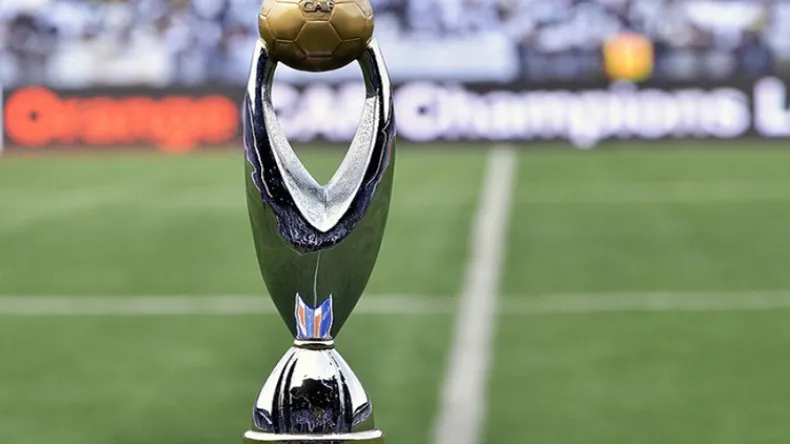
Algerian football clubs faced early exits from the CAF Champions League, signaling a difficult period for the nation’s representatives on the continental stage. JS Saoura exited the competition during the first preliminary round following a defeat by Guinean club Horoya Conakry.
MC Alger encountered similar challenges in the subsequent stage of the tournament. The team lost 2-0 during the first leg of the second preliminary round against Nigerian club Rangers International. These results leave Algerian football without key participants in the later stages of the CAF Champions League, marking a significant setback for the clubs involved.
Long Drought for Clubs
Algerian football has experienced a prolonged period without a continental title. No Algerian club has won the CAF Champions League in over 12 years. ES Sétif remains the last team from the nation to secure the trophy, achieving the victory in 2014. The roster for that successful squad included players such as Farid Mellouli, Akram Djahnit, El Hadi Belameiri, Sofiane Younes, and Abdelmalek Ziaya. Managed by Kheireddine Madoui and led by president Hassan Hammar, the team reached this milestone before the current drought began. Since that 2014 campaign, representatives from Algeria have failed to replicate the success on the continental stage. The absence of a major victory continues to impact the standing of local clubs within the CAF Champions League competition.
Financial Disparity and Management
Professional football in Algeria faces questions regarding resource allocation as domestic clubs struggle to maintain competitiveness against regional rivals. Financial commitments to personnel remain high, with some Algerian players in the professional league receiving monthly salaries as high as two billion centimes. These compensation levels represent a substantial investment by clubs, yet this expenditure has not translated into consistent success during international tournaments organized by the Confederation of African Football.
Management structures within the sport also include a significant pool of qualified personnel tasked with developing talent and tactical approaches. Data indicates that there are more than 50 coaches in Algeria who hold advanced coaching certifications. Despite the availability of these licensed professionals, the transition from domestic league performance to continental achievement continues to present a challenge for the national football framework. The combination of high player wages and the presence of numerous certified coaches defines the current economic and administrative environment of the sport in the country.