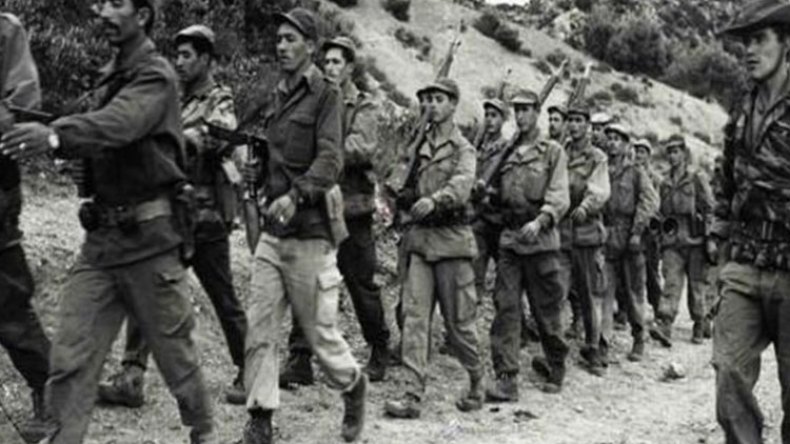
The Algerian Revolution began on November 1, 1954, marking the start of a conflict that reshaped the nation. Algeria commemorates the 72nd anniversary of this historic uprising as of 3 November 2026. This long period notes the enduring impact of the revolution on the country's political identity. The events of 1954 continue to serve as a primary reference point for state narratives and national identity. Officials and citizens observe the date to reflect on the legacy of the struggle against colonial rule. The anniversary remains a significant occasion for institutional recognition within the country.
Centuries of Colonial Setbacks
Saladin defeated the Crusaders and liberated Jerusalem in 1187 AD, an event that remains a foundational moment in the history of the Muslim world. Centuries later, the Ottoman Caliphate fell in 1924, marking a significant transition in regional governance and influence.
France held official commemorations in 1930 to mark the centenary of the occupation of Algeria. An unnamed French official stated during these proceedings, "Today we celebrate the funeral of Islam in Algeria." These historical milestones reflect the shifting power dynamics that preceded the mid-20th-century independence movements. While the military victory in Jerusalem solidified a legacy of territorial sovereignty, the subsequent collapse of the Ottoman Caliphate and the colonial rhetoric of the 1930s defined the political environment in which the Algerian struggle for independence eventually emerged. These occurrences serve as historical benchmarks for the challenges faced by populations under foreign administration throughout the region.
A Long Path Forward
The Algerian War of Independence persisted for approximately seven years and five months. This duration defined the period of armed struggle required to transition Algeria toward sovereignty. Hostilities began in November 1954 and continued until the formal conclusion of the conflict in 1962. Throughout these years, the movement sought to secure national independence from colonial administration. The intensity of the engagement necessitated sustained mobilization across the territory. Following the cessation of fighting, the state structure underwent significant reorganization to establish a new political foundation. This timeframe remains a central focus for historical analysis regarding the military and social efforts exerted by the population. Citizens and officials continue to examine the extended nature of this struggle when evaluating the development of the nation. The eventual resolution of the war ended the colonial presence and altered the administrative trajectory of the country.