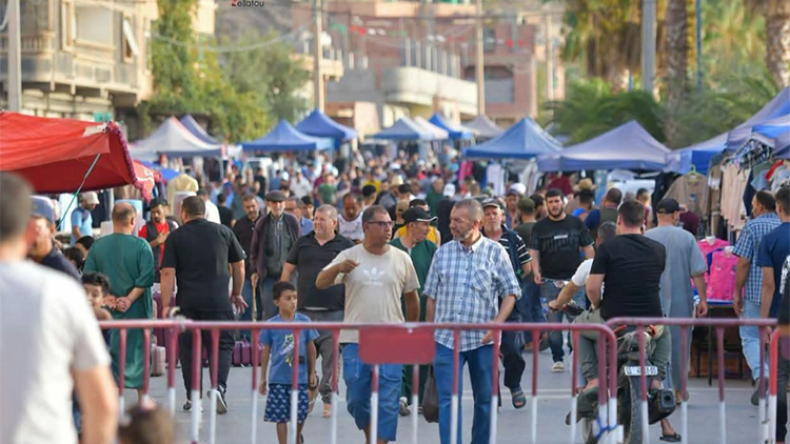
The annual Autumn Eid Market (تظاهرة سوق عيد الخريف) is currently underway in Tekout, located south of Batna province, drawing visitors from various regions across Algeria. Scheduled for the first four days of September this year, the event attracts attendees from Aurès, Zibane, and other Algerian provinces. The market has a history spanning over five centuries, serving as a significant gathering point. This year's event is specifically scheduled for the first four days of September. This long-standing tradition shows the market's deep roots and enduring importance to the region.
Organizers previously held the market during the last four days of August in past years. The Autumn Eid Market is described as a multi-dimensional event, encompassing social, economic, cultural, and legal aspects within its scope. This full nature notes its role as more than just a commercial gathering; it functions as a central forum for community life. The market combines commercial, economic, reformist, cultural, intellectual, and entertainment activities, making it a full gathering for the community. It is considered an annual conference and a significant meeting point for cultural and economic activities within the Aurès region. This designation as an annual conference reflects its structured approach to addressing regional needs and fostering development.
Market's Multifaceted Offerings
The Autumn Eid Market integrates commercial, economic, reformist, cultural, intellectual, and entertainment activities. Local agricultural products, including vegetables and fruits, are prominently featured, alongside a variety of tools and supplies available for purchase. These offerings cater to the immediate needs of the community, ensuring access to fresh produce and essential goods. The market serves as a key period for families to acquire children's supplies at affordable prices in preparation for the upcoming school year. This focus on essential goods for the academic season shows the market's role in supporting local families. The availability of school supplies at accessible prices provides key assistance to parents as they prepare their children for the academic year, alleviating some of the financial burdens associated with education. This practical aspect of the market demonstrates its direct contribution to the well-being of local households.
Commercial activities at the market include the sale of local products as well as goods brought in from other Algerian provinces. This exchange of goods from various regions enriches the market's offerings and fosters inter-provincial trade. A dedicated section showcases artisans offering jewelry and traditional products, reflecting the region's heritage. This segment notes the rich craftsmanship and cultural identity of the area, providing a platform for local artisans to present their work and sustain traditional crafts. Beyond commerce, the market also hosts cultural and intellectual activities, which encompass scientific lectures, literary sessions, and intellectual competitions designed to engage attendees. These activities foster a vibrant intellectual environment, encouraging learning and cultural exchange among participants from diverse backgrounds. The event specifically notes local agricultural output and facilitates the procurement of goods necessary for the winter season, serving both immediate and seasonal needs for the community. This dual focus on immediate consumption and future preparation demonstrates the market's practical significance for residents, ensuring food security and preparedness for colder months.
Tribal Traditions and Social Governance
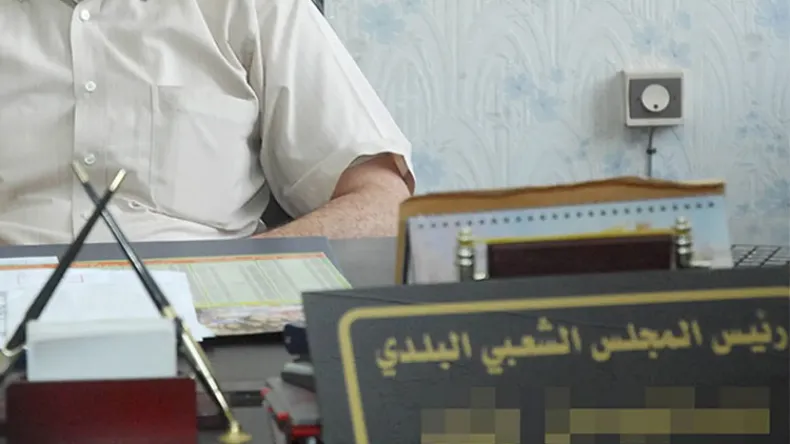
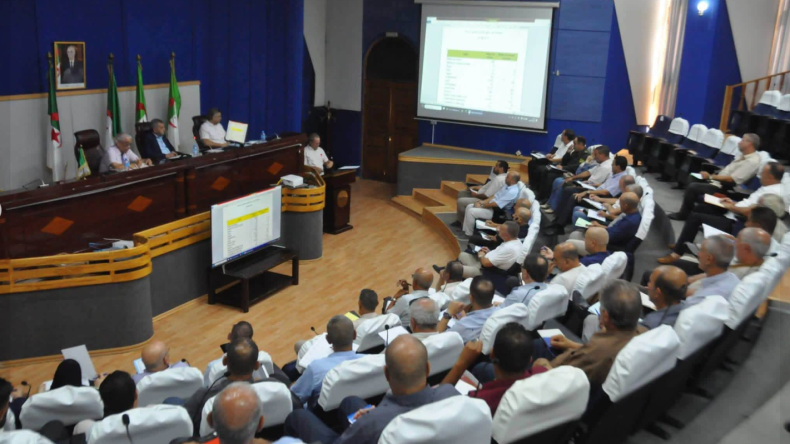
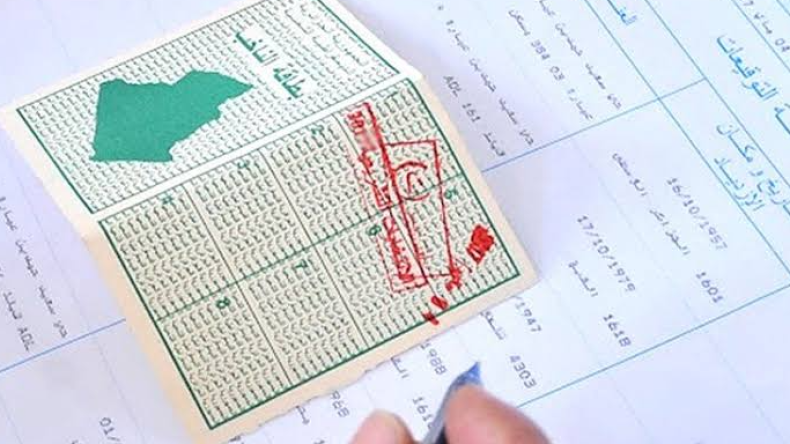
The Autumn Eid Market serves as an annual occasion for elders of the Beni Bousliman tribe and neighboring tribes to convene and discuss customary issues, including marriage conditions. This year, elders and dignitaries of the Beni Bousliman tribe met specifically at the Abu Bakr Al-Siddiq Mosque in Tekout to update and study the existing marriage document. This gathering at a significant religious site shows the solemnity and importance of their deliberations. The intention is to draft a new document that will serve as a reference for the tribe's members in the coming years. This process shows the tribe's commitment to maintaining and adapting its traditional legal framework to contemporary needs while preserving its cultural integrity. The decisions reached regarding these matters are slated to be announced in a public session during the opening of this year's Autumn Eid Market. This public announcement reinforces the transparency and communal endorsement of these important tribal decisions, ensuring that all members are aware of and can adhere to the updated customary laws.
Historically, tribal elders utilized the market as a platform to discuss a range of social matters, including marriage conditions, the resolution of disputes, and commercial dealings. This tradition notes the market's enduring role not only as a commercial hub but also as a central forum for community governance and the upholding of customary law among the tribes in the region. The market has long been a destination for addressing tribal disagreements, establishing dowry values, and determining blood money (diyat). This historical function as a judicial and legislative assembly for tribal matters illustrates its profound importance beyond mere trade, providing a key space for maintaining social order and resolving conflicts according to established customs. The discussions on marriage conditions, for instance, helped standardize practices and ensure fairness within and between tribal communities, preventing potential discord. The resolution of disputes and the setting of dowry values were essential for social cohesion, preventing prolonged conflicts and fostering harmonious relations among different tribal factions. The practice of determining blood money (diyat) at the market served as a restorative justice mechanism, allowing for compensation and reconciliation in cases of serious harm or death, thereby averting cycles of vengeance and promoting lasting peace. These customary practices, deeply embedded in the market's history, continue to shape the social fabric of the region.
Historical Roots and Regional Potential
The Autumn Eid Market aims to create an atmosphere that helps residents move past hardships and the dangers associated with stone polishing, a trade identified as having caused numerous deaths. Organizers also intend for the market to promote the region's tourism potential. This focus on tourism seeks to diversify the local economy and highlight the natural beauty and cultural richness of Tekout. The market is intended to provide an atmosphere that helps residents forget hardships and the dangers of stone polishing, a trade that has caused many deaths. The event is regarded as an annual conference and a significant meeting point for cultural and economic activities within the Aurès region. Historically, essential goods such as wheat, barley, dates, figs, and honey were traded at the market, sometimes through a barter system. This historical exchange of vital commodities through barter showcases the market's fundamental role in sustaining local communities for centuries, long before the advent of modern currency. This system of exchange fostered interdependence and strengthened community bonds among traders and consumers.
The current iteration of the market includes opening ceremonies attended by local and provincial authorities, alongside performances by folklore groups from various Algerian provinces. These ceremonies add a formal and celebratory dimension to the event, emphasizing its importance to both local and regional governance and cultural preservation. The market is characterized as a reflection of 'the market of life,' where social bonds are re-established and cultural identity is preserved among attendees. This description notes the deep cultural significance of the market, serving as a vital nexus for community interaction and the perpetuation of traditions across generations. Tekout itself holds considerable potential in agriculture, livestock farming, and tourism. This untapped potential suggests avenues for future economic development and diversification, moving beyond traditional industries. The region is notable for its apricot production, which suggests opportunities for establishing jam and juice factories. Leveraging this agricultural strength could create new industries and employment opportunities for local residents, adding value to raw materials and boosting the regional economy.
The region's oak production is recognized for its high quality, making it suitable for processing into cocoa. This unique potential for oak-derived products could open up niche markets and innovative industrial applications, distinguishing Tekout's offerings. Prickly pear is also abundant in the area and can be utilized in the production of cosmetics, medical products, various oils, and animal feed. The versatility of prickly pear presents multiple avenues for economic exploitation, from high-value cosmetic goods to essential agricultural inputs, showcasing the region's diverse natural resources. Tekout possesses a rich heritage in handicrafts and arts, encompassing music, dance, storytelling, and traditional cuisine. This cultural wealth provides a strong foundation for developing heritage tourism and supporting local artists and performers, thereby preserving and promoting the region's unique identity. The annual market is viewed as a strategy to combat unemployment and encourage local youth to avoid the perilous "death trade" of stone polishing, which is known to cause silicosis. By offering alternative economic opportunities and promoting the region's diverse resources, the market serves as a beacon of hope for a safer and more prosperous future for Tekout's youth, steering them towards sustainable livelihoods. The market's role in noting local agricultural products and bringing in goods for the winter season further solidifies its essential function in the community's economic cycle, ensuring both immediate needs and future preparedness are met.