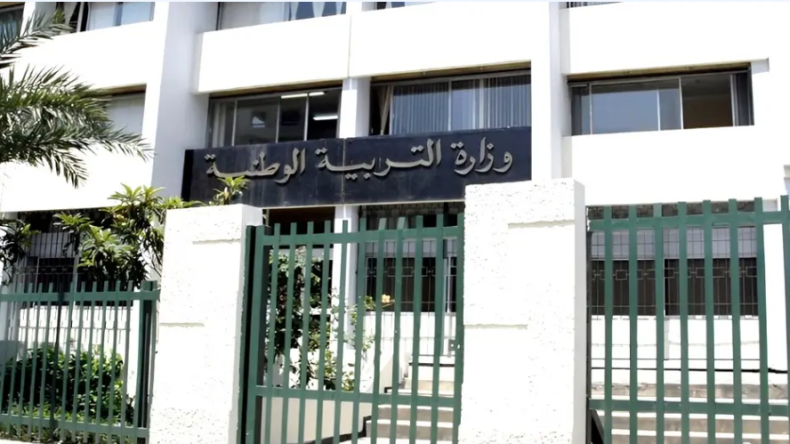
The market of the city of Sidi Aissa in the state of M'Sila has reopened, marking its rebirth after a period of closure that spanned several years. This significant event allows traders to resume commercial activities within the market premises, a return to normalcy many in the community have long awaited. Local authorities oversaw the return of operations, aiming to revitalize this key economic hub for the community in M'Sila, which had suffered from its absence. The reopening signifies a renewed commitment to local commerce and community well-being after a prolonged hiatus.
Market's Grand Reopening Ceremony
The reopening ceremony of the Sidi Aissa market in M'Sila was attended by local officials and numerous community members, all eager to witness this key moment. This event marked a significant occasion for the city of Sidi Aissa, signaling the official resumption of commercial activities that had been on hold for years. The long-anticipated return of the market was met with enthusiasm, as it represents a key step in restoring the city's economic vitality. Authorities expressed optimism about the market's renewed role in boosting the local economy and providing a central point for trade, which had been sorely missed during its dormancy. The revitalization effort aims to restore the market's historical importance as a commercial hub within M'Sila, reclaiming its place as a cornerstone of daily life. Community leaders noted the positive impact this reopening is expected to have on daily life for residents and traders alike, providing both economic opportunities and a familiar gathering place. The event showed a broader commitment to economic recovery and stability for the region in Algeria, signaling a brighter outlook for local businesses and consumers.
Years of Dormancy and Community Impact
The Sidi Aissa market had remained closed for several years, a period that significantly affected commercial activity and daily life in the city. Its extended dormancy led to a considerable disruption in the local economy, as traders were unable to operate from their established stalls within the market premises, forcing many to find alternative, often less suitable, venues. The absence of this central hub meant residents had fewer convenient options for goods and services, often having to travel further or pay higher prices, and many local businesses faced substantial challenges finding alternative spaces or maintaining their customer base. This prolonged closure created a void in the commercial landscape of Sidi Aissa. The closure also impacted the social fabric of the community, as markets often serve as important gathering places for commerce and interaction, fostering community bonds that were weakened during its shutdown. The long-awaited reopening aims to reverse these detrimental effects and restore a vital component of Sidi Aissa's economic and social infrastructure, bringing back a sense of normalcy and opportunity.
Economic Revival and Future Prospects
The reopening of the Sidi Aissa market is expected to significantly stimulate the local economy of the city and the wider M'Sila Governorate, providing a much-needed boost after years of stagnation. This resumption of commercial activities offers traders a renewed opportunity to operate within established premises, fostering a more organized, competitive, and accessible marketplace for residents. With dedicated spaces for vendors, the market is poised to offer a wider variety of goods and services, improving consumer access and choice. Authorities anticipate the market will quickly become a central hub for trade, driving economic growth and providing essential goods and services to the community, thereby enhancing local livelihoods. The revitalization efforts aim to restore the market's historical importance, contributing to the overall economic stability and recovery of the region by creating jobs and fostering local enterprise. This development is seen as a profoundly positive step towards enhancing daily life for both residents and traders, creating a more vibrant commercial landscape in Sidi Aissa and reinforcing its role as a regional economic center.