The documentary "NAZA," produced by The Guardian, premiered at the 83rd Venice Film Festival, where it received a 25-minute standing ovation. This exceptional reception was described by specialists as a "record" for the prestigious festival. The film presents compelling testimonies that characterize attacks on Gaza as "the systematic elimination of Palestinian civilians," offering a stark and unsettling perspective on the ongoing conflict. The unprecedented length of the ovation showed the profound impact the film had on its audience, signaling a significant moment for documentary filmmaking and human rights advocacy on the international stage.
Inside the Documentary's Content
The documentary "NAZA" incorporates testimonies from 24 former members of the Israeli army, providing an insider's view into military operations. The film's title, "NAZA," is presented as an acronym utilized by the Israeli army, signifying "planned civilian deaths." This revelation immediately sets a somber tone, suggesting a deliberate and calculated approach to civilian casualties. The production of the documentary spanned an extensive three years and was conducted clandestinely, with filming taking place from the rooftops of Tel Aviv. This covert operation notes the sensitive nature of the subject matter and the challenges faced by the filmmakers in gathering and presenting these accounts. To protect the individuals involved and ensure their safety, the film meticulously digitally modifies the identities, voices, and appearances of its witnesses, allowing them to speak freely without fear of reprisal.
These former soldiers describe what they characterize as a "secret system" involving confidential methods employed by the Israeli army within Gaza. Their accounts delve into the intricate details of these operations, revealing the mechanisms behind the alleged systematic actions. The testimonies detail the sophisticated use of advanced surveillance systems, which are reportedly instrumental in identifying targets and monitoring movements within the Gaza Strip. The film notes the widespread reliance on remote bombing operations, a method that distances perpetrators from the immediate consequences of their actions. According to these witnesses, artificial intelligence is extensively deployed to identify potential Hamas targets, a process that, they claim, frequently leads to the bombing of homes that contain families. This assertion raises critical questions about the precision and ethical implications of AI-driven warfare. Some of the individuals featured in the film state they worked within a secret intelligence unit that operated directly under Prime Minister Benyamin Netanyahu, suggesting a high level of governmental involvement and oversight in these alleged practices. Their firsthand experiences offer a chilling glimpse into the operational realities and decision-making processes within the Israeli military. The detailed descriptions provided by these 24 former soldiers aim to dismantle common narratives surrounding the conflict, presenting a challenging internal perspective on the conduct of military operations in Gaza.
Filmmakers' Perspective and Purpose
Co-director Yuval Abraham asserted that a "killing system" operates in Gaza, which he claimed has resulted in the deaths of more than 70,000 Palestinians. Abraham stated, "Il existe à Gaza un “système de mise à mort” qui a tué plus de 70 000 Palestiniens," emphasizing the scale and systematic nature of the alleged casualties. He added that the film's core objective is to illustrate "the functioning of this system and how the world has turned a blind eye," aiming to provoke a global awakening to the realities depicted. Abraham emphasized the critical importance of the film's distribution rights in Italy, noting, "Il est très important que le film bénéficie des droits de distribution en Italie car, comme nous le savons tous, ce pays est, avec l’Allemagne, l’un des rares en Europe à empêcher l’adoption de sanctions contre Israël et la fin de l’accord commercial entre les États-Unis et Israël." This statement shows the political dimension of the film's release and the filmmakers' intent to influence international policy and public opinion.
Abraham noted the ongoing nature of the events depicted, stating that even during the festival, a seven-year-old girl was killed in Gaza. "Cette semaine encore, alors que nous étions au festival, une fillette de sept ans a été tuée alors qu’elle se trouvait dans une voiture avec son père… Ce que nous montrons dans le film se poursuit encore aujourd’hui," he said, bringing the immediacy and tragic human cost of the conflict into sharp focus. He insisted that the events detailed in the documentary are "very, very systematic" and not the result of error or accident. "C’est quelque chose de très, très systématique. Cela aurait dû être évident pour tout le monde dès le début. Mais nous le révélons de l’intérieur, grâce à des témoignages provenant de l’intérieur," Abraham explained, stressing the deliberate and calculated nature of the operations. The film, he articulated, serves as an urgent call to action, demanding accountability and a re-evaluation of international responses to the situation in Gaza. The co-director's impassioned statements reflect a deep commitment to exposing what he perceives as grave injustices and a determination to ensure that the world acknowledges the allegations presented in "NAZA."
The documentary's record-setting 25-minute ovation at the Venice Film Festival surpassed the 24 minutes received by the film "The Voice of Hind Rajab" last year, a testament to its powerful impact and resonance with the audience. This extended applause shows the powerful reception of "NAZA" among festival attendees, indicating a collective recognition of the film's significance and its disturbing revelations. Abraham's comments reiterate the filmmakers' intent to expose what they describe as a deliberate and systematic process, relying on internal testimonies to provide an inside perspective on the operations within Gaza. The co-director's statements frame the film as a key attempt to bring attention to these alleged practices and challenge global perceptions, urging viewers to confront the uncomfortable truths presented.
Broader Context and Reactions
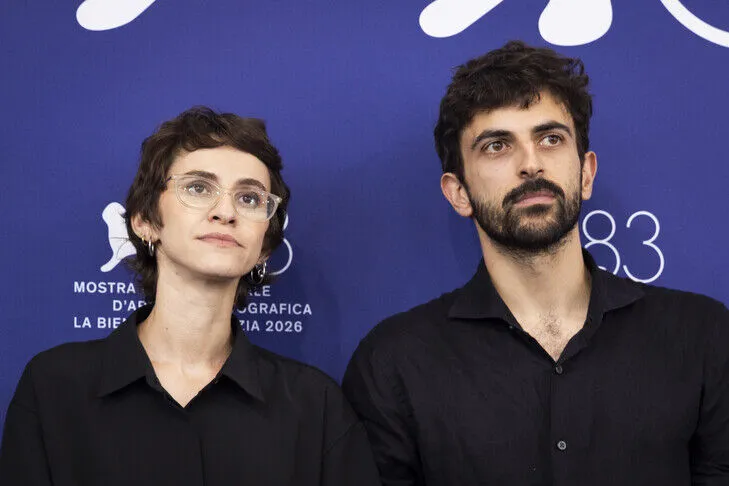
The documentary "NAZA" was co-directed by Yuval Abraham and Rachel Szor, bringing together their distinct visions and journalistic rigor. Szor emphasized the unique impact of the film, stating, "Écouter devant la caméra ceux qui ont conçu et fait fonctionner ces systèmes expliquer ce sujet, réaliser des dessins et montrer leur fonctionnement est véritablement tout autre chose." Her statement notes the unparalleled value of firsthand accounts from those directly involved in the alleged "secret system." The direct testimonies, coupled with visual aids like drawings, offer a level of detail and authenticity that is difficult to achieve through other means, making the film a particularly potent piece of investigative journalism.
Producer James Wilson addressed potential misinterpretations of the film's content, particularly regarding the sensitive intersection of politics and religion. Wilson stated, "Personnellement, je ne pense pas qu’il existe un quelconque lien entre le judaïsme ou l’identité juive et les politiques du gouvernement israélien." This statement sought to carefully separate the actions depicted in the film from religious identity, aiming to prevent the conflation of governmental policies with the broader Jewish faith. Wilson's clarification shows the filmmakers' intent to focus on the specific actions of a government and its military, rather than attributing blame to an entire religious or ethnic group. This distinction is key for fostering constructive dialogue and preventing the narrative from devolving into religious prejudice. The producer's remarks reflect an awareness of the delicate geopolitical landscape surrounding the Israeli-Palestinian conflict and an effort to maintain the film's focus on human rights and accountability, rather than religious or ethnic generalizations. The premiere of "NAZA" at such a prominent international festival, combined with the strong statements from its creators, ensures that the documentary will spark considerable debate and discussion globally, bringing its challenging narrative to a wide audience.