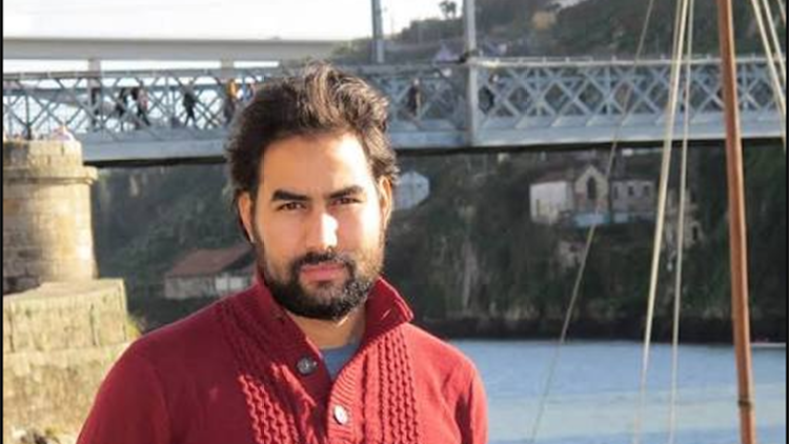
Mohamed Bachir Lahsen, a Sahrawi researcher and academic, has alleged that Moroccan espionage efforts are contributing to repression in Western Sahara. Lahsen's claims, detailed in an interview, assert that surveillance technology and intelligence gathering are being used to target and suppress dissent within the territory. The researcher's statements, which form part of a broader discussion on human rights, were published on July 17, 2026, as part of a larger investigation into human rights concerns. The article features this extensive interview with Mohamed Bachir Lahsen, providing a platform for his detailed allegations regarding the use of such technology.
Allegations of Espionage Tools
Mohamed Bachir Lahsen claims he has been a direct victim of Moroccan espionage, stating that intelligence operations have targeted him personally. This personal experience, he indicated, shows the widespread nature of these surveillance activities within the region. Lahsen further alleges that the United Arab Emirates (UAE) provided financing for Morocco's acquisition of the 'Pegasus' surveillance system. According to Lahsen, Morocco actively utilizes this sophisticated system for its espionage activities, deploying it against individuals and groups perceived as opposing its policies. He did not specify the exact nature of the alleged targeting or the evidence supporting his claim regarding the UAE's involvement in the financing of the 'Pegasus' system, but emphasized the system's role in the broader surveillance framework. Lahsen's identification as a victim of Moroccan espionage lends a direct personal dimension to his broader claims about the scale and impact of these operations.
Geopolitical Alliances Revealed
Mohamed Bachir Lahsen described the Moroccan regime as an occupying regime that targets individuals defending the rights of the Sahrawi people. This characterization frames his perspective on the regime's actions and motivations. Lahsen stated that Morocco's use of Israeli espionage tools serves as confirmation of an alliance between Morocco and Israel. He elaborated that the deployment of such advanced technology from Israel points to a deeper strategic partnership. The Sahrawi researcher further alleged the existence of a three-party alliance involving Israel, Morocco, and the UAE. According to Lahsen, this purported alliance facilitates the acquisition and deployment of surveillance technology, which he claims is then used against activists and human rights defenders in Western Sahara. This three-party collaboration, he suggested, enables a more strong and technologically advanced approach to intelligence gathering and control. He did not provide specific details on the nature of the alleged alliance's operations or evidence beyond the use of Israeli-made tools, but reiterated his conviction that this collaboration is central to the surveillance infrastructure. Lahsen's allegations suggest a collaborative effort among these nations in areas concerning security and intelligence, particularly impacting the Western Sahara region and those advocating for Sahrawi rights.
Pursuing Justice Abroad
Mohamed Bachir Lahsen indicated that victims of alleged Moroccan espionage intend to pursue legal recourse in international jurisdictions. This move reflects a perceived lack of effective legal avenues within the territories where the alleged espionage occurs. Lahsen stated that individuals affected by surveillance operations will "resort to European courts to seek their rights." This suggests an effort to hold those allegedly responsible accountable outside of Moroccan legal frameworks, leveraging international legal principles and judicial systems. The Sahrawi researcher did not specify which particular European courts would be approached or detail the specific legal strategies anticipated, but he showed the determination of victims to find justice. The statement notes a potential avenue for individuals claiming to be targeted by surveillance to seek justice and redress in a transnational context, aiming to challenge these practices on a broader international stage.
Technology for Repression
Mohamed Bachir Lahsen asserts that Morocco employs technology primarily as a tool for surveillance and repression. According to Lahsen, this technological deployment is not aimed at fostering development or improving the lives of the Sahrawi people. Instead, he claims, the primary objective is to maintain control and suppress any form of dissent. The Sahrawi researcher claims Morocco utilizes these capabilities to monitor and suppress dissent within Western Sahara, rather than for broader societal progress or economic advancement. He emphasized that the significant investments in surveillance technology are channeled towards preserving the status quo and quashing opposition, rather than contributing to the region's productive growth.